
Mortar shelling: Rohingyas not safe at no-man’s land
Rohingyas who took shelter at the Tambru no-man’s land near Gumdhum on the Myanmar-Bangladesh border are finding that they are no safer there than in Myanmar proper. According to local sources, the Rohingyas in no-man’s land are in constant fear of being killed or injured by shooting and shelling by the Myanmar military from across the border. Around 5,000 people from 600 or 700 families living in the Tambru no-man’s land have begun fleeing in various directions as panic spreads among them. Rupla Dhar, a teacher of North Gumdhum Government Primary School, said the violence across the border was not only terrifying for Rohingyas in no-man’s land, but also for Bangladeshis who live near the border. Erfanul Haque, a cousin of teenager Iqbal who was killed by shelling on Friday night, said: “We no longer feel safe to live there.” Borhan Aziz, senior vice president of Gumdhum Union Chhatra League, said many Rohingyas were trying to enter Bangladesh following the escalation in violence.
India targets net-zero carbon emissions by 2070, says Modi
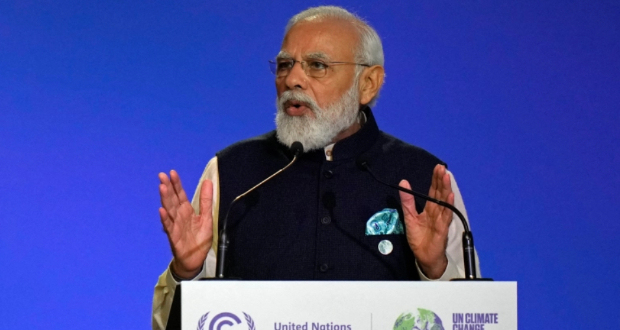
India’s economy will become carbon neutral by the year 2070, the country’s prime minster has announced at the COP26 climate crisis summit in Glasgow. The target date is two decades beyond what scientists say is needed to avert catastrophic climate impacts. India is the last of the world’s major carbon polluters to announce a net-zero target, with China saying it would reach that goal in 2060, and the United States and the European Union aiming for 2050.
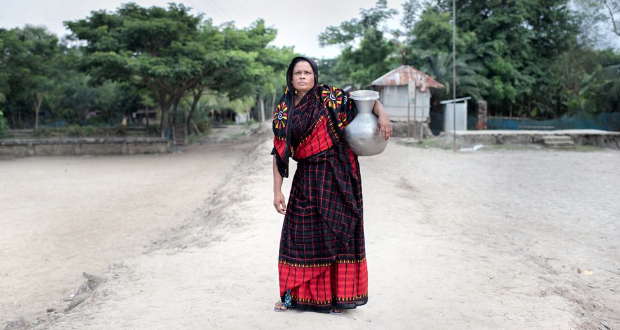
COP26: What climate summit means for one woman in Bangladesh
China's carbon emissions are vast and growing, dwarfing those of other countries. Experts agree that without big reductions in China's emissions, the world cannot win the fight against climate change. In 2020, China's President Xi Jinping said his country would aim for its emissions to reach their highest point before 2030 and for carbon neutrality before 2060. His statement has now been confirmed as China's official position ahead of the COP26 global climate summit in Glasgow. But China has not said exactly how these goals will be achieved.
Why China's climate policy matters to us all
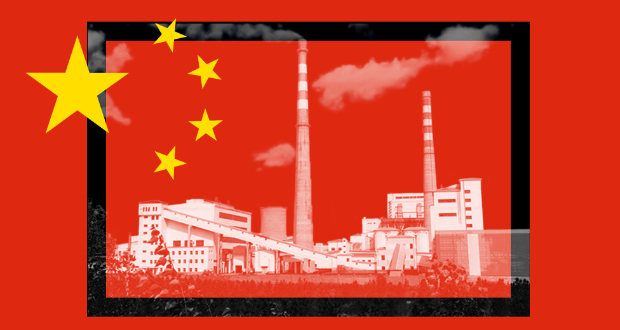
China's carbon emissions are vast and growing, dwarfing those of other countries. Experts agree that without big reductions in China's emissions, the world cannot win the fight against climate change. In 2020, China's President Xi Jinping said his country would aim for its emissions to reach their highest point before 2030 and for carbon neutrality before 2060. His statement has now been confirmed as China's official position ahead of the COP26 global climate summit in Glasgow. But China has not said exactly how these goals will be achieved.
Deliver on promises, developing world tells rich at climate talks

A crucial U.N. conference heard calls on its first day for the world's major economies to keep their promises of financial help to address the climate crisis, while big polluters India and Brazil made new commitments to cut emissions. World leaders, environmental experts and activists all pleaded for decisive action to halt the global warming which threatens the future of the planet at the start of the two-week COP26 summit in the Scottish city of Glasgow on Monday. The task facing negotiators was made even more daunting by the failure of the Group of 20 major industrial nations to agree ambitious new commitments at the weekend.