
World Habitat Day 2022: History, Significance and Theme
The World Habitat Day is a United Nations designated event which is observed annually on every first Monday of October and thus this year it falls on 4th of October. World Habitat Day is observed to reflect on the state of our habitats, and on the basic right of all to adequate shelter. The day is also intended to remind the world that we all have the power and the responsibility to shape the future of our cities and towns. Home or shelter is a basic right which every human beings in this world deserves but sadly there are many people today who are homeless and thus this day aims to raise awareness regarding the issue and also raise concerns over the mismanagement of urban communities which led to devastating effects in future. Urbanization can be traced back to the first ancient human civilizations. Almost all of the ancient civilizations like the Mesopotamia, Indus Valley, Ancient Egyptians or Chinese were made on the river valleys and had urban areas for trade, commerce and resident as well. However most of them faded away which can be attributed to many factors such as natural calamities, invasions, over-utilization of resources or overcrowding. So all of this tells us the importance of proper urban planning. Since then we have seen the growth of urbanization around the world however the growth of urban areas accelerated to a great extent since 200 years ago as people went in search of jobs, which were, of course, mostly in cities where factories were located. Over the past 50 years, urbanization has seen rapid growth. A huge amount of people live in urban areas around the globe, and much of this urbanization today is taking place in Asia, Africa, and Latin America.
India targets net-zero carbon emissions by 2070, says Modi
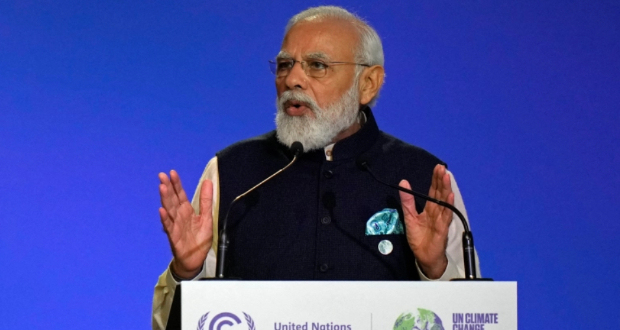
India’s economy will become carbon neutral by the year 2070, the country’s prime minster has announced at the COP26 climate crisis summit in Glasgow. The target date is two decades beyond what scientists say is needed to avert catastrophic climate impacts. India is the last of the world’s major carbon polluters to announce a net-zero target, with China saying it would reach that goal in 2060, and the United States and the European Union aiming for 2050.
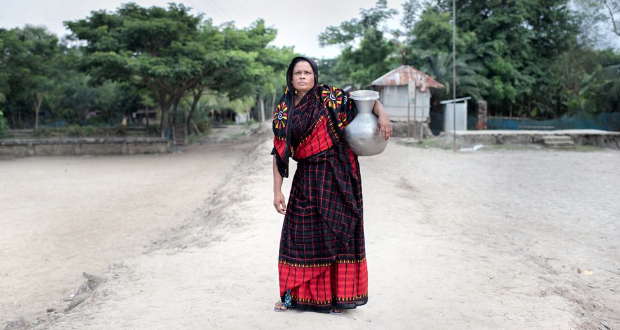
COP26: What climate summit means for one woman in Bangladesh
China's carbon emissions are vast and growing, dwarfing those of other countries. Experts agree that without big reductions in China's emissions, the world cannot win the fight against climate change. In 2020, China's President Xi Jinping said his country would aim for its emissions to reach their highest point before 2030 and for carbon neutrality before 2060. His statement has now been confirmed as China's official position ahead of the COP26 global climate summit in Glasgow. But China has not said exactly how these goals will be achieved.
Why China's climate policy matters to us all
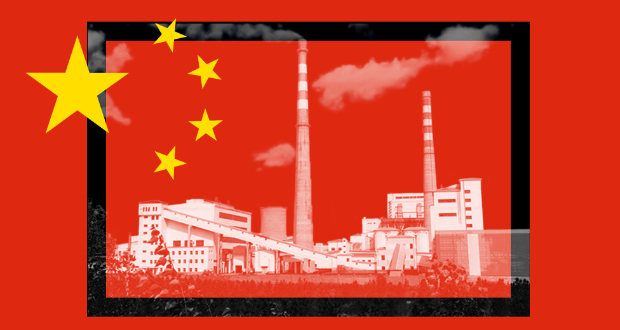
China's carbon emissions are vast and growing, dwarfing those of other countries. Experts agree that without big reductions in China's emissions, the world cannot win the fight against climate change. In 2020, China's President Xi Jinping said his country would aim for its emissions to reach their highest point before 2030 and for carbon neutrality before 2060. His statement has now been confirmed as China's official position ahead of the COP26 global climate summit in Glasgow. But China has not said exactly how these goals will be achieved.
Deliver on promises, developing world tells rich at climate talks

A crucial U.N. conference heard calls on its first day for the world's major economies to keep their promises of financial help to address the climate crisis, while big polluters India and Brazil made new commitments to cut emissions. World leaders, environmental experts and activists all pleaded for decisive action to halt the global warming which threatens the future of the planet at the start of the two-week COP26 summit in the Scottish city of Glasgow on Monday. The task facing negotiators was made even more daunting by the failure of the Group of 20 major industrial nations to agree ambitious new commitments at the weekend.