
State of gender equality and climate change in South Asia
The International Centre for Integrated Mountain Development (ICIMOD), UN Women, and the UN Environment Programme (UNEP) launched a report on ‘State of gender equality and climate change in South Asia and the Hindu Kush Himalayan Region’ here today. It provides a comprehensive analysis of the gender dimensions of climate change in three key climate-affected sectors of agriculture, water, and energy in ten countries – Afghanistan, Bangladesh, Bhutan, China, India, Maldives, Myanmar, Nepal, Pakistan, and Sri Lanka – in South Asia and the Hindu Kush Himalaya (HKH). South Asia and the HKH are among the regions that are most vulnerable to the impacts of climate change, with the aggravated impacts becoming more evident in the scale and increased incidence of climate-related disasters in recent years. The report finds that climate change can aggravate pre-existing social and gender inequalities. In her opening remarks, Izabella Koziell, Deputy Director General, ICIMOD stated, “All of us have a very important role to play in making the voices of girls, women, and other marginalised groups heard so that actions are real, and progress is tangible.” Climate change can potentially widen existing gender gaps mainly due to women’s limited access, control, and ownership over resources, participation in decision making, and freedom of choice that are determined by the overarching patriarchal values and social norms in the region. The report underlines the need to address these gendered vulnerabilities and recognise the prevalence of patriarchal systems that hinder women’s roles and agency in adaptation and mitigation in most South Asian and HKH countries. In addition to gender inequality, climate change has also further compounded issues of food insecurity and poverty – some of the root causes of increasing vulnerability to climate change.
India targets net-zero carbon emissions by 2070, says Modi
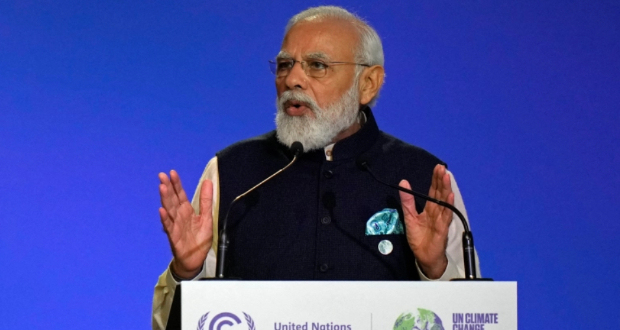
India’s economy will become carbon neutral by the year 2070, the country’s prime minster has announced at the COP26 climate crisis summit in Glasgow. The target date is two decades beyond what scientists say is needed to avert catastrophic climate impacts. India is the last of the world’s major carbon polluters to announce a net-zero target, with China saying it would reach that goal in 2060, and the United States and the European Union aiming for 2050.
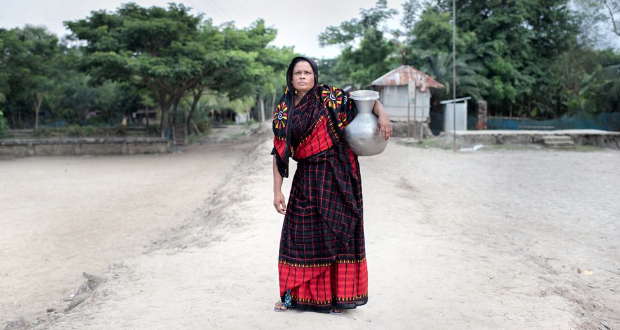
COP26: What climate summit means for one woman in Bangladesh
China's carbon emissions are vast and growing, dwarfing those of other countries. Experts agree that without big reductions in China's emissions, the world cannot win the fight against climate change. In 2020, China's President Xi Jinping said his country would aim for its emissions to reach their highest point before 2030 and for carbon neutrality before 2060. His statement has now been confirmed as China's official position ahead of the COP26 global climate summit in Glasgow. But China has not said exactly how these goals will be achieved.
Why China's climate policy matters to us all
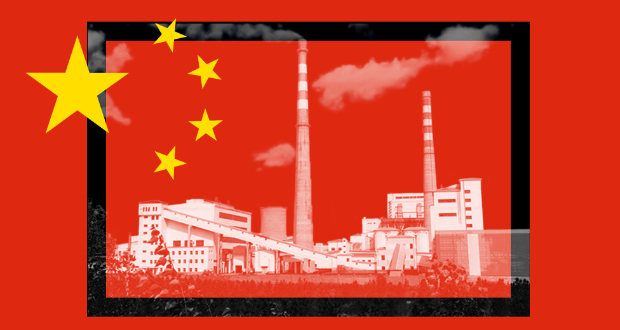
China's carbon emissions are vast and growing, dwarfing those of other countries. Experts agree that without big reductions in China's emissions, the world cannot win the fight against climate change. In 2020, China's President Xi Jinping said his country would aim for its emissions to reach their highest point before 2030 and for carbon neutrality before 2060. His statement has now been confirmed as China's official position ahead of the COP26 global climate summit in Glasgow. But China has not said exactly how these goals will be achieved.
Deliver on promises, developing world tells rich at climate talks

A crucial U.N. conference heard calls on its first day for the world's major economies to keep their promises of financial help to address the climate crisis, while big polluters India and Brazil made new commitments to cut emissions. World leaders, environmental experts and activists all pleaded for decisive action to halt the global warming which threatens the future of the planet at the start of the two-week COP26 summit in the Scottish city of Glasgow on Monday. The task facing negotiators was made even more daunting by the failure of the Group of 20 major industrial nations to agree ambitious new commitments at the weekend.