
Climate change and Bangladesh
A major reason behind climate change is greenhouse gas emissions. The existence of these emissions in the atmosphere is increasing every day due to actions taken by humans. Human beings are cutting trees and altering mountains for their own needs, which is increasing the level of carbon dioxide in the air. To create energy, people burn fossil fuels. These fuels release carbon dioxide, nitrogen, methane and other harmful gases. These gases cause global warming, which is leading to climate change. Climate change is the reason why the sea level is rising. As the sea level rises, storms, cyclones and tsunamis grow more powerful and dangerous. Low-lying areas are flooding, ice is melting and there have been interruptions to the consistency of seasonal climate behaviour. Climate change has a profound effect on agriculture, according to Bangladesh Agriculture Information Service. A report published in 2000 records the sea level rise in Cox’s Bazar. It says the sea level is rising by 7.8mm every year. In the past four decades, Bhola has lost around three thousand square kilometres due to this rise in sea level. Many reports suggest that by 2100, many parts of Bangladesh will be underwater. The current government, under the leadership of the prime minister, has undertaken comprehensive programmes, including the formulation of a Climate Change Strategic Plan and Action Plan, and a Climate Change Trust Fund worth Tk 7 billion, according to information from the Ministry of Agriculture.
India targets net-zero carbon emissions by 2070, says Modi
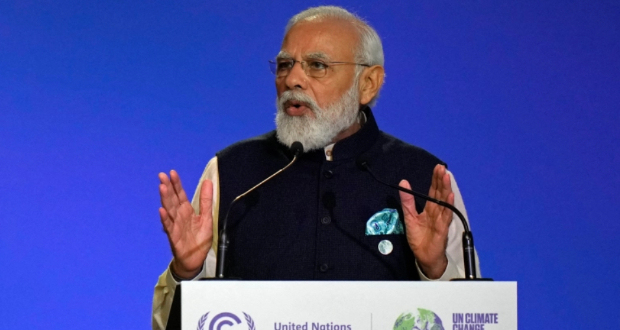
India’s economy will become carbon neutral by the year 2070, the country’s prime minster has announced at the COP26 climate crisis summit in Glasgow. The target date is two decades beyond what scientists say is needed to avert catastrophic climate impacts. India is the last of the world’s major carbon polluters to announce a net-zero target, with China saying it would reach that goal in 2060, and the United States and the European Union aiming for 2050.
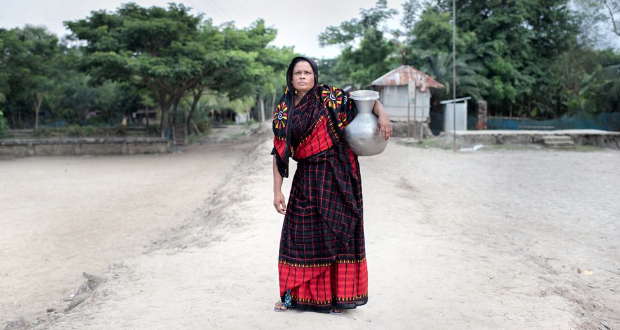
COP26: What climate summit means for one woman in Bangladesh
China's carbon emissions are vast and growing, dwarfing those of other countries. Experts agree that without big reductions in China's emissions, the world cannot win the fight against climate change. In 2020, China's President Xi Jinping said his country would aim for its emissions to reach their highest point before 2030 and for carbon neutrality before 2060. His statement has now been confirmed as China's official position ahead of the COP26 global climate summit in Glasgow. But China has not said exactly how these goals will be achieved.
Why China's climate policy matters to us all
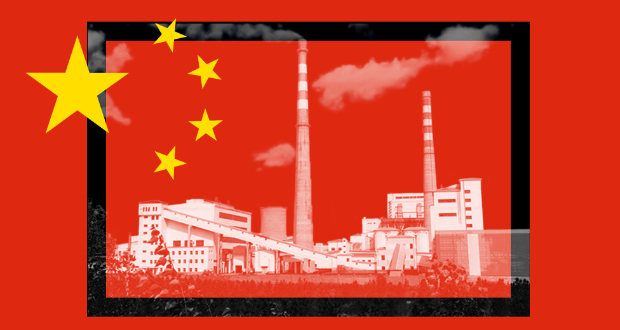
China's carbon emissions are vast and growing, dwarfing those of other countries. Experts agree that without big reductions in China's emissions, the world cannot win the fight against climate change. In 2020, China's President Xi Jinping said his country would aim for its emissions to reach their highest point before 2030 and for carbon neutrality before 2060. His statement has now been confirmed as China's official position ahead of the COP26 global climate summit in Glasgow. But China has not said exactly how these goals will be achieved.
Deliver on promises, developing world tells rich at climate talks

A crucial U.N. conference heard calls on its first day for the world's major economies to keep their promises of financial help to address the climate crisis, while big polluters India and Brazil made new commitments to cut emissions. World leaders, environmental experts and activists all pleaded for decisive action to halt the global warming which threatens the future of the planet at the start of the two-week COP26 summit in the Scottish city of Glasgow on Monday. The task facing negotiators was made even more daunting by the failure of the Group of 20 major industrial nations to agree ambitious new commitments at the weekend.