
Japan, UNFPA sign $3.7 million aid to Rohingyas in Bangladesh
Japan and UNFPA sign $3.7 million assistance to Rohingya Refugees in Bhasan Char and Host Communities in Noakhali District. The Government of Japan and UNFPA signed an exchange of notes for the assistance to Rohingya refugees in Bhasan Char and Host Communities in Noakhali District, said a press release on Tuesday (November 22). The contribution of USD 3.7 million will be used for improving access to sexual and reproductive health (SRH) services, protecting the dignity and safety of women and girls from gender-based violence (GBV) and empowering adolescents and youth. “With the generous support of the Government of Japan, UNFPA is able to work with the Government of Bangladesh to scale up lifesaving SRH, and GBV services and strengthen linkages between key health facilities in Noakhali district. UNFPA wishes to thank the Government of Japan for the confidence expressed and most notably their encouraging engagement to improve health and protection outcomes for women and girls and across Noakhali district and Bhasan Char,” said Ms. Kristine Blokhus, UNFPA Representative.
India targets net-zero carbon emissions by 2070, says Modi
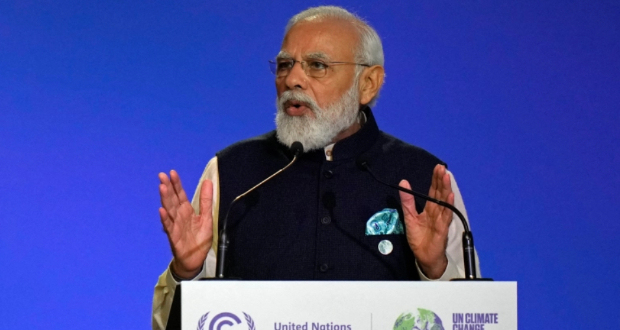
India’s economy will become carbon neutral by the year 2070, the country’s prime minster has announced at the COP26 climate crisis summit in Glasgow. The target date is two decades beyond what scientists say is needed to avert catastrophic climate impacts. India is the last of the world’s major carbon polluters to announce a net-zero target, with China saying it would reach that goal in 2060, and the United States and the European Union aiming for 2050.
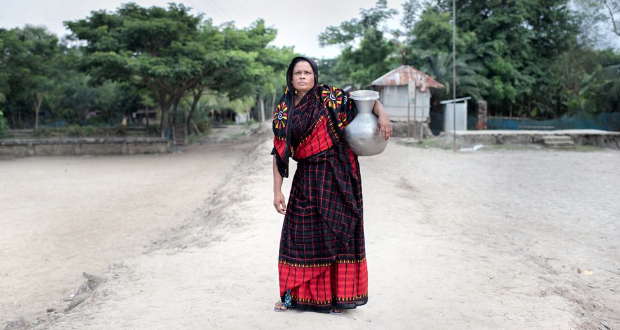
COP26: What climate summit means for one woman in Bangladesh
China's carbon emissions are vast and growing, dwarfing those of other countries. Experts agree that without big reductions in China's emissions, the world cannot win the fight against climate change. In 2020, China's President Xi Jinping said his country would aim for its emissions to reach their highest point before 2030 and for carbon neutrality before 2060. His statement has now been confirmed as China's official position ahead of the COP26 global climate summit in Glasgow. But China has not said exactly how these goals will be achieved.
Why China's climate policy matters to us all
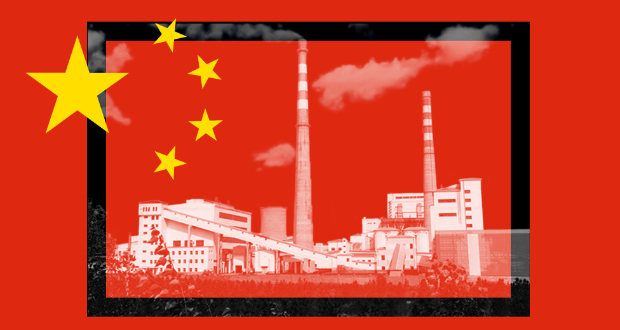
China's carbon emissions are vast and growing, dwarfing those of other countries. Experts agree that without big reductions in China's emissions, the world cannot win the fight against climate change. In 2020, China's President Xi Jinping said his country would aim for its emissions to reach their highest point before 2030 and for carbon neutrality before 2060. His statement has now been confirmed as China's official position ahead of the COP26 global climate summit in Glasgow. But China has not said exactly how these goals will be achieved.
Deliver on promises, developing world tells rich at climate talks

A crucial U.N. conference heard calls on its first day for the world's major economies to keep their promises of financial help to address the climate crisis, while big polluters India and Brazil made new commitments to cut emissions. World leaders, environmental experts and activists all pleaded for decisive action to halt the global warming which threatens the future of the planet at the start of the two-week COP26 summit in the Scottish city of Glasgow on Monday. The task facing negotiators was made even more daunting by the failure of the Group of 20 major industrial nations to agree ambitious new commitments at the weekend.