
AMERICA’S INDO-PACIFIC STRATEGY RUNS THROUGH UKRAINE
Over the past year, Washington has helped rally Europe to support Ukraine’s heroic defense of its sovereignty. Yet amidst the enthusiasm that this has generated, some observers remain concerned that the war in Europe will distract the United States from the more profound threat that it faces from China. They shouldn’t be. Given the deepening interdependence between Europe and the Indo-Pacific, and the growing cooperation between Moscow and Beijing, decisively defeating Russia remains the best way for the United States to successfully compete against China. U.S. Secretary of Defense Lloyd Austin recently argued that the United States “wanted to see Russia weakened to the degree that it can’t do the kinds of things that it has done in invading Ukraine”. If the United States managed to achieve this, it could neutralize the existence of a threat to the European balance of power for the foreseeable future. And that could set the foundations for redirecting the bulk of U.S. strategic attention towards the threat posed by China in the Indo-Pacific. In contrast, abandoning Ukraine to its own luck could lead to the unraveling of the European security order. That would end up demanding a considerably higher share of America’s strategic bandwidth down the line, and thus constitute a far more serious drag on a much-needed rebalance to the Indo-Pacific.
India targets net-zero carbon emissions by 2070, says Modi
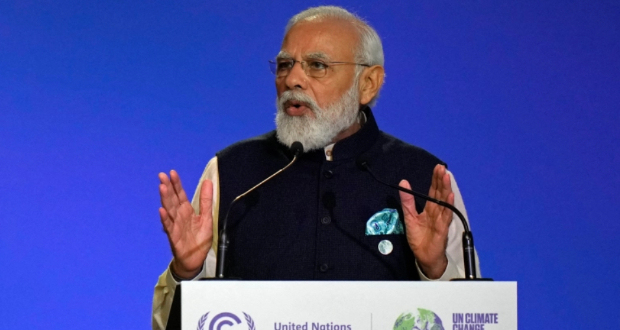
India’s economy will become carbon neutral by the year 2070, the country’s prime minster has announced at the COP26 climate crisis summit in Glasgow. The target date is two decades beyond what scientists say is needed to avert catastrophic climate impacts. India is the last of the world’s major carbon polluters to announce a net-zero target, with China saying it would reach that goal in 2060, and the United States and the European Union aiming for 2050.
COP26: What climate summit means for one woman in Bangladesh

China's carbon emissions are vast and growing, dwarfing those of other countries. Experts agree that without big reductions in China's emissions, the world cannot win the fight against climate change. In 2020, China's President Xi Jinping said his country would aim for its emissions to reach their highest point before 2030 and for carbon neutrality before 2060. His statement has now been confirmed as China's official position ahead of the COP26 global climate summit in Glasgow. But China has not said exactly how these goals will be achieved.
Why China's climate policy matters to us all
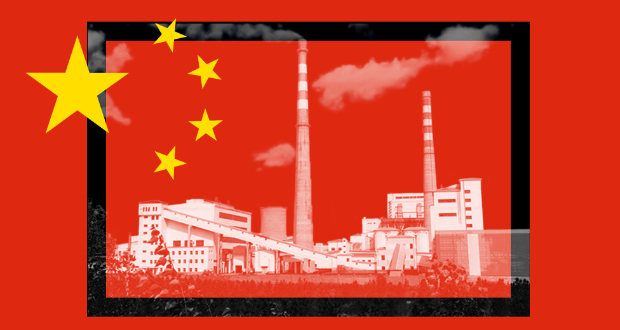
China's carbon emissions are vast and growing, dwarfing those of other countries. Experts agree that without big reductions in China's emissions, the world cannot win the fight against climate change. In 2020, China's President Xi Jinping said his country would aim for its emissions to reach their highest point before 2030 and for carbon neutrality before 2060. His statement has now been confirmed as China's official position ahead of the COP26 global climate summit in Glasgow. But China has not said exactly how these goals will be achieved.
Deliver on promises, developing world tells rich at climate talks

A crucial U.N. conference heard calls on its first day for the world's major economies to keep their promises of financial help to address the climate crisis, while big polluters India and Brazil made new commitments to cut emissions. World leaders, environmental experts and activists all pleaded for decisive action to halt the global warming which threatens the future of the planet at the start of the two-week COP26 summit in the Scottish city of Glasgow on Monday. The task facing negotiators was made even more daunting by the failure of the Group of 20 major industrial nations to agree ambitious new commitments at the weekend.