
Why South Asia Should Embrace Climate Migration
When discussing the human security impacts of climate change, climate-induced migration is often viewed as a distant and intangible concern. Despite widespread consensus on “loss and damage” at COP27 in Egypt last November, climate migration in developing countries was barely mentioned. However, the reality is that climate migration is already occurring at an unimaginable scale. The World Bank estimates that South Asia will face a crisis of 50 million climate refugees each year by 2050, resulting from both short-term natural disasters like floods and cyclones and slow-onset environmental changes such as sea-level rise, soil degradation, and desertification. Experts suggest that climate migration is a “threat multiplier” that will result in the overcrowding of cities, conflict over land and resources, and regional instability. In other words, climate migration is viewed as a dire negative outcome of climate change, and a crisis that must be managed and minimized. However, this framing does not reflect ground realities, and migration has been a viable adaptive strategy to changing environmental conditions for decades. Nomadic pastoralism in the Himalayan-Kush region, seasonal fishing in Maldives, and circular rural-urban migration in Bangladesh are just a few examples of migration as climate adaptation in South Asia.
India targets net-zero carbon emissions by 2070, says Modi
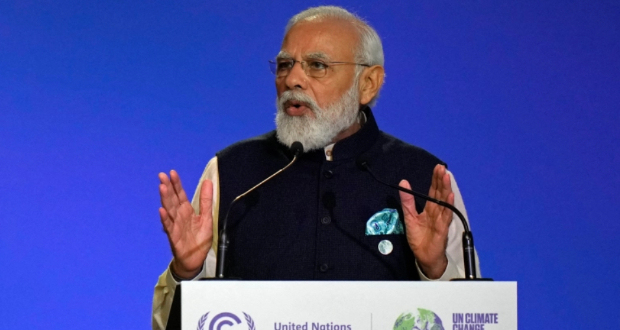
India’s economy will become carbon neutral by the year 2070, the country’s prime minster has announced at the COP26 climate crisis summit in Glasgow. The target date is two decades beyond what scientists say is needed to avert catastrophic climate impacts. India is the last of the world’s major carbon polluters to announce a net-zero target, with China saying it would reach that goal in 2060, and the United States and the European Union aiming for 2050.
COP26: What climate summit means for one woman in Bangladesh
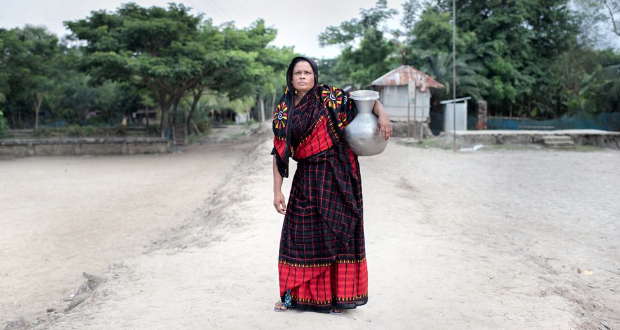
China's carbon emissions are vast and growing, dwarfing those of other countries. Experts agree that without big reductions in China's emissions, the world cannot win the fight against climate change. In 2020, China's President Xi Jinping said his country would aim for its emissions to reach their highest point before 2030 and for carbon neutrality before 2060. His statement has now been confirmed as China's official position ahead of the COP26 global climate summit in Glasgow. But China has not said exactly how these goals will be achieved.
Why China's climate policy matters to us all
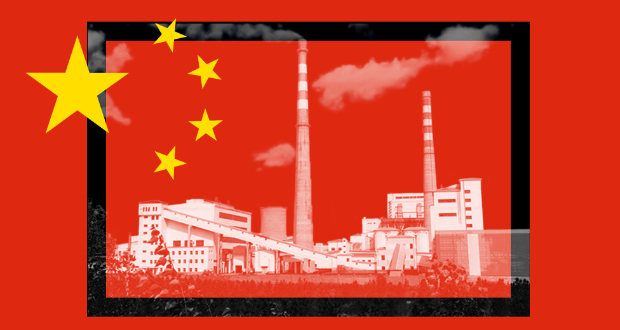
China's carbon emissions are vast and growing, dwarfing those of other countries. Experts agree that without big reductions in China's emissions, the world cannot win the fight against climate change. In 2020, China's President Xi Jinping said his country would aim for its emissions to reach their highest point before 2030 and for carbon neutrality before 2060. His statement has now been confirmed as China's official position ahead of the COP26 global climate summit in Glasgow. But China has not said exactly how these goals will be achieved.
Deliver on promises, developing world tells rich at climate talks

A crucial U.N. conference heard calls on its first day for the world's major economies to keep their promises of financial help to address the climate crisis, while big polluters India and Brazil made new commitments to cut emissions. World leaders, environmental experts and activists all pleaded for decisive action to halt the global warming which threatens the future of the planet at the start of the two-week COP26 summit in the Scottish city of Glasgow on Monday. The task facing negotiators was made even more daunting by the failure of the Group of 20 major industrial nations to agree ambitious new commitments at the weekend.