
Policy makers grapple with energy security issues
For some, the heightened focus on energy security threatens climate goals, while others see it as accelerating decarbonisation, writes Georgia Gratton The war in Ukraine, and the consequent revival of concerns around energy security, has had major implications for climate policy, pushing advanced economies to intensify existing climate goals, but also giving fossil fuel producers an argument for their continued use. OECD leaders, as well as the group's influential energy watchdog, the IEA, moved rapidly to stress that a pivot away from Russian oil and gas and increased deployment of renewables would address all three aspects of the "energy trilemma" — decarbonisation, affordability and security of supply. But leading oil and gas producers have emphasised their credentials as reliable suppliers, while some have placed the focus on tackling emissions, not stigmatising their source. And those OECD governments have faced multiple challenges and criticism, with some bringing coal-fired power generation back on line and extending the life of nuclear power plants — controversial in certain jurisdictions — as well as because of the rocketing energy prices faced by consumers.
India targets net-zero carbon emissions by 2070, says Modi
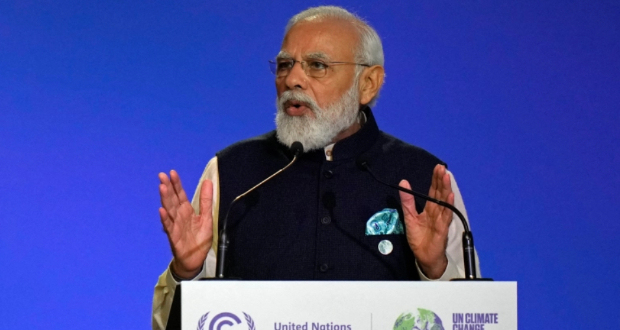
India’s economy will become carbon neutral by the year 2070, the country’s prime minster has announced at the COP26 climate crisis summit in Glasgow. The target date is two decades beyond what scientists say is needed to avert catastrophic climate impacts. India is the last of the world’s major carbon polluters to announce a net-zero target, with China saying it would reach that goal in 2060, and the United States and the European Union aiming for 2050.
COP26: What climate summit means for one woman in Bangladesh

China's carbon emissions are vast and growing, dwarfing those of other countries. Experts agree that without big reductions in China's emissions, the world cannot win the fight against climate change. In 2020, China's President Xi Jinping said his country would aim for its emissions to reach their highest point before 2030 and for carbon neutrality before 2060. His statement has now been confirmed as China's official position ahead of the COP26 global climate summit in Glasgow. But China has not said exactly how these goals will be achieved.
Why China's climate policy matters to us all
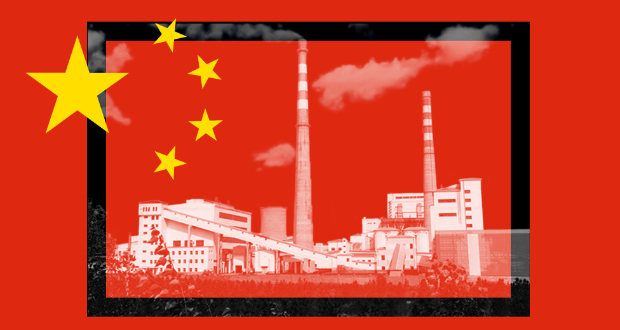
China's carbon emissions are vast and growing, dwarfing those of other countries. Experts agree that without big reductions in China's emissions, the world cannot win the fight against climate change. In 2020, China's President Xi Jinping said his country would aim for its emissions to reach their highest point before 2030 and for carbon neutrality before 2060. His statement has now been confirmed as China's official position ahead of the COP26 global climate summit in Glasgow. But China has not said exactly how these goals will be achieved.
Deliver on promises, developing world tells rich at climate talks

A crucial U.N. conference heard calls on its first day for the world's major economies to keep their promises of financial help to address the climate crisis, while big polluters India and Brazil made new commitments to cut emissions. World leaders, environmental experts and activists all pleaded for decisive action to halt the global warming which threatens the future of the planet at the start of the two-week COP26 summit in the Scottish city of Glasgow on Monday. The task facing negotiators was made even more daunting by the failure of the Group of 20 major industrial nations to agree ambitious new commitments at the weekend.