Rohingya repatriation: With a little help from our friend
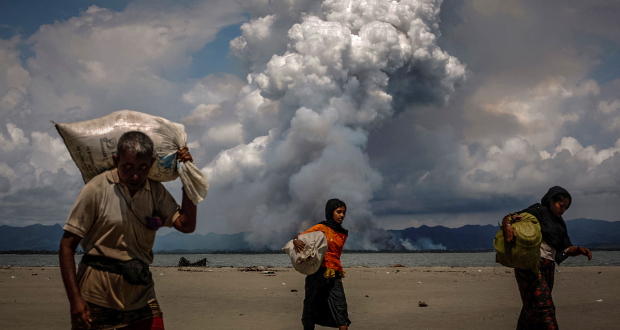
In March 2023, the Myanmar government announced that it would start repatriating 1,140 Rohingya refugees from Bangladesh from mid-April. The pilot repatriation program took off owing to the mediation of China, the Asian power that maintains close ties with both Bangladesh and Myanmar. However, the other big regional power in South Asia, that is, India, has been so far largely inactive in the process of the repatriation of the Rohingya refugees. Should India decide to display more interest in the process, it would be beneficial for Indian interests in a number of ways. India-Bangladesh bilateral relations are characterized by not only geographic proximity but also historic bonds, economic interdependence, cultural closeness, ideological compatibility, security ties, and political bonhomie. The most and second-most populous states of the South Asian subcontinent not only share highly cordial relations but also face a number of common problems, including the Rohingya refugee crisis. Bangladesh, one of the 10 largest host nations for refugees in the world, currently hosts over 1.2 million Rohingya refugees, while India hosts over 40,000 Rohingya refugees.
India targets net-zero carbon emissions by 2070, says Modi
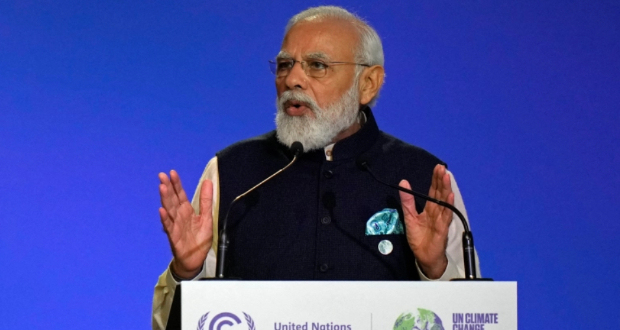
India’s economy will become carbon neutral by the year 2070, the country’s prime minster has announced at the COP26 climate crisis summit in Glasgow. The target date is two decades beyond what scientists say is needed to avert catastrophic climate impacts. India is the last of the world’s major carbon polluters to announce a net-zero target, with China saying it would reach that goal in 2060, and the United States and the European Union aiming for 2050.
COP26: What climate summit means for one woman in Bangladesh

China's carbon emissions are vast and growing, dwarfing those of other countries. Experts agree that without big reductions in China's emissions, the world cannot win the fight against climate change. In 2020, China's President Xi Jinping said his country would aim for its emissions to reach their highest point before 2030 and for carbon neutrality before 2060. His statement has now been confirmed as China's official position ahead of the COP26 global climate summit in Glasgow. But China has not said exactly how these goals will be achieved.
Why China's climate policy matters to us all
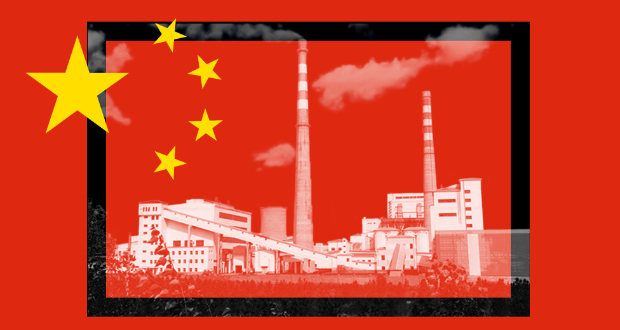
China's carbon emissions are vast and growing, dwarfing those of other countries. Experts agree that without big reductions in China's emissions, the world cannot win the fight against climate change. In 2020, China's President Xi Jinping said his country would aim for its emissions to reach their highest point before 2030 and for carbon neutrality before 2060. His statement has now been confirmed as China's official position ahead of the COP26 global climate summit in Glasgow. But China has not said exactly how these goals will be achieved.
Deliver on promises, developing world tells rich at climate talks

A crucial U.N. conference heard calls on its first day for the world's major economies to keep their promises of financial help to address the climate crisis, while big polluters India and Brazil made new commitments to cut emissions. World leaders, environmental experts and activists all pleaded for decisive action to halt the global warming which threatens the future of the planet at the start of the two-week COP26 summit in the Scottish city of Glasgow on Monday. The task facing negotiators was made even more daunting by the failure of the Group of 20 major industrial nations to agree ambitious new commitments at the weekend.