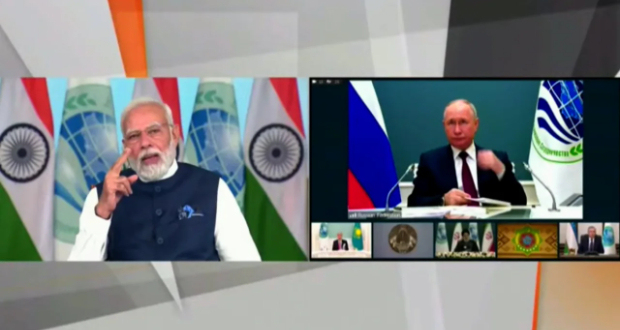
India downplayed a key Russia-friendly summit, but Putin and Xi may not be complaining
Last year, the world watched closely as China’s Xi Jinping, Russia’s Vladimir Putin, Narendra Modi of India and other world leaders within a Moscow-friendly group gathered in the Uzbek city of Samarkand for a high-profile, two-day summit.
The spotlight was on how each of the attending leaders interacted with Putin – who at the time was more than six months into a brutal invasion of Ukraine that had sparked a humanitarian disaster, roiled the global economy and triggered global food insecurity.
This time around, the Shanghai Cooperation Organization summit’s host country India appeared keen to avoid that kind of scrutiny, opting instead for a virtual summit – a muted arrangement that may have also suited the SCO’s two leading members, Putin and Xi.
India’s summit, which took place Tuesday afternoon, lasted roughly three hours and culminated with the release of a joint declaration some 5,000 words shorter than the one released in Samarkand.
Also missing were the typical group photos, chummy dinner and opportunities for sideline meetings between heads of state from the body of leaders from Eurasia that Russia and China have long seen as a critical means to counter so-called Western influence in the region.
New Delhi did not give a specific explanation when it announced last month it would hold the event online, and on Tuesday said the format “in no way signifies, hints, insinuates the dilution in the objectives that we are trying to see of the SCO summit.”
But observers say that Modi – who has been busy tightening India’s ties with the US, including during a state visit late last month – was likely keen to avoid the optics of welcoming Putin and Xi to the capital for an SCO summit.
The grouping, which also includes Pakistan, Kazakhstan, Kyrgyzstan, Tajikistan, Uzbekistan and – as of yesterday – Iran, was founded in 2001 to focus on regional security and cooperation and spearheaded by Russia and China, both of whom are now at significant odds with the US.
“Having just been feted in Washington, Modi had to walk a fine line in terms of perceptions,” said Manoj Joshi, a distinguished fellow at the Observer Research Foundation in New Delhi, adding that “given Western sensitivities,” India didn’t want Putin “strutting around” the capital.
And while Putin and Xi are ardent backers of the SCO and both keen to play up their strength and be perceived as global power brokers, especially by their domestic audiences – a toned-down summit may have also suited their purposes, experts say.
India targets net-zero carbon emissions by 2070, says Modi
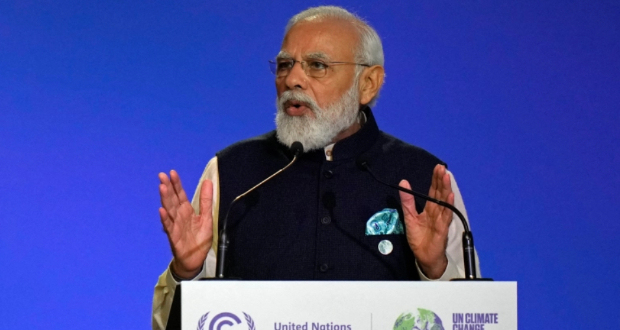
India’s economy will become carbon neutral by the year 2070, the country’s prime minster has announced at the COP26 climate crisis summit in Glasgow. The target date is two decades beyond what scientists say is needed to avert catastrophic climate impacts. India is the last of the world’s major carbon polluters to announce a net-zero target, with China saying it would reach that goal in 2060, and the United States and the European Union aiming for 2050.
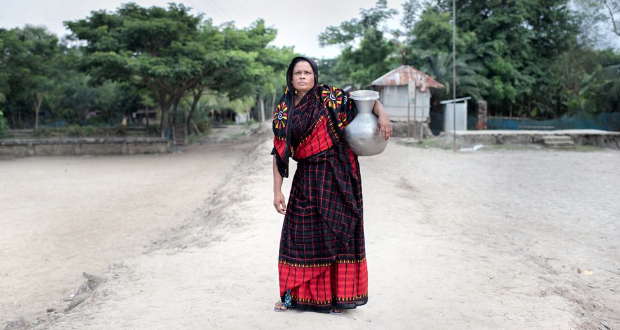
COP26: What climate summit means for one woman in Bangladesh
China's carbon emissions are vast and growing, dwarfing those of other countries. Experts agree that without big reductions in China's emissions, the world cannot win the fight against climate change. In 2020, China's President Xi Jinping said his country would aim for its emissions to reach their highest point before 2030 and for carbon neutrality before 2060. His statement has now been confirmed as China's official position ahead of the COP26 global climate summit in Glasgow. But China has not said exactly how these goals will be achieved.
Why China's climate policy matters to us all
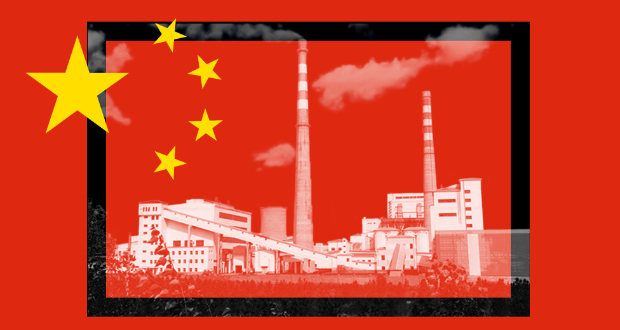
China's carbon emissions are vast and growing, dwarfing those of other countries. Experts agree that without big reductions in China's emissions, the world cannot win the fight against climate change. In 2020, China's President Xi Jinping said his country would aim for its emissions to reach their highest point before 2030 and for carbon neutrality before 2060. His statement has now been confirmed as China's official position ahead of the COP26 global climate summit in Glasgow. But China has not said exactly how these goals will be achieved.
Deliver on promises, developing world tells rich at climate talks

A crucial U.N. conference heard calls on its first day for the world's major economies to keep their promises of financial help to address the climate crisis, while big polluters India and Brazil made new commitments to cut emissions. World leaders, environmental experts and activists all pleaded for decisive action to halt the global warming which threatens the future of the planet at the start of the two-week COP26 summit in the Scottish city of Glasgow on Monday. The task facing negotiators was made even more daunting by the failure of the Group of 20 major industrial nations to agree ambitious new commitments at the weekend.