500 days of war in Ukraine: At what cost?

Five-hundred days ago, in the early hours of a cold February morning, Russia launched a full-scale invasion of its western neighbour, Ukraine.

The Kremlin had hoped for a quick “special military operation” but 16-and-a-half months later, fighting is still raging with no immediate end in sight.


As the war reaches another grim milestone on Saturday, here are just some of the sombre ways it has upended life for tens of millions of people:

  • 6.3 million Ukrainians have become refugees, according to the United Nations' refugee agency (UNHCR)
  • 9,083 civilians have been killed in Ukraine, according to the latest figures from the UN's rights office (OHCHR); the real toll, however, is feared to be much higher
  • 15,779 civilians have been wounded in Ukraine, according to the OHCHR
  • Military casualties on both sides of the war are difficult to establish and verify; the warring sides often estimate rival losses, and are understood to downplay their own
  • The cost of destruction is thought to be more than $143bn*, according to the latest findings from the Kyiv School of Economics
  • It is estimated that Russia controls less than 20 percent of Ukrainian territory

The conflict has led to the fastest-growing refugee crisis since World War II, with 6.3 million people forced to flee Ukraine since the invasion on February 24, 2022. The vast majority of them - 5,967,100 - went to other European countries.

An additional six million are internally displaced within Ukraine.

Most refugees are women and children, as Ukrainian men aged between 18 and 60 have been instructed to remain in the country and fight.

The infographic below highlights the flow of refugees recorded from Ukraine across Europe between June 1, 2022 and July 7, 2023, as well as some of the painful stories of those forced to leave their homes.
Read Full Article: 

Share This Article

Related Articles

India targets net-zero carbon emissions by 2070, says Modi

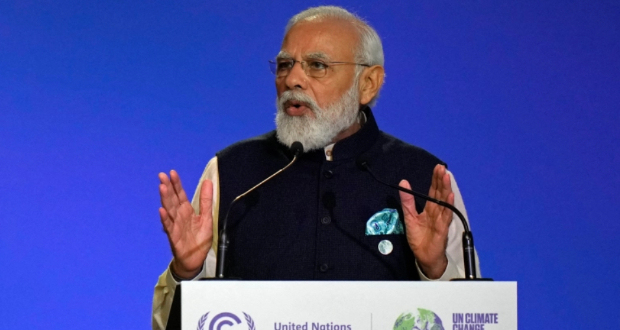
India’s economy will become carbon neutral by the year 2070, the country’s prime minster has announced at the COP26 climate crisis summit in Glasgow. The target date is two decades beyond what scientists say is needed to avert catastrophic climate impacts. India is the last of the world’s major carbon polluters to announce a net-zero target, with China saying it would reach that goal in 2060, and the United States and the European Union aiming for 2050.

COP26: What climate summit means for one woman in Bangladesh

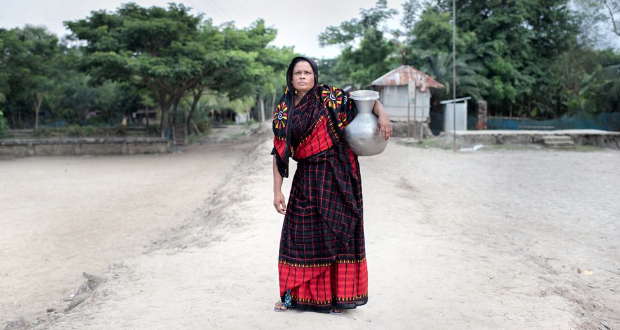
China's carbon emissions are vast and growing, dwarfing those of other countries. Experts agree that without big reductions in China's emissions, the world cannot win the fight against climate change. In 2020, China's President Xi Jinping said his country would aim for its emissions to reach their highest point before 2030 and for carbon neutrality before 2060. His statement has now been confirmed as China's official position ahead of the COP26 global climate summit in Glasgow. But China has not said exactly how these goals will be achieved.

Why China's climate policy matters to us all

China's carbon emissions are vast and growing, dwarfing those of other countries. Experts agree that without big reductions in China's emissions, the world cannot win the fight against climate change. In 2020, China's President Xi Jinping said his country would aim for its emissions to reach their highest point before 2030 and for carbon neutrality before 2060. His statement has now been confirmed as China's official position ahead of the COP26 global climate summit in Glasgow. But China has not said exactly how these goals will be achieved.

Deliver on promises, developing world tells rich at climate talks

A crucial U.N. conference heard calls on its first day for the world's major economies to keep their promises of financial help to address the climate crisis, while big polluters India and Brazil made new commitments to cut emissions. World leaders, environmental experts and activists all pleaded for decisive action to halt the global warming which threatens the future of the planet at the start of the two-week COP26 summit in the Scottish city of Glasgow on Monday. The task facing negotiators was made even more daunting by the failure of the Group of 20 major industrial nations to agree ambitious new commitments at the weekend.