
Davos 2023: Key takeaways from the World Economic Forum
Global leaders and business executives departed a freezing World Economic Forum (WEF) meeting on Friday after a frank exchange of views over how the world will tackle its biggest issues in 2023.
Here's what we learned:
ECONOMY: Gloom and doom heading into Davos turned into cautious optimism by the end with the global economic outlook for the year ahead looking better than feared.
But the WEF's annual meeting was filled with discussion of plenty of risks, including inflationary pressures from China's reopening and rising debt distress in the developing world. Not to mention that the hardest bit for Western nations is yet to come - getting inflation down to 2%.
"Things are not great, but they are much better than they could have been." - Daniel Pinto, JP Morgan's president and chief operating officer.
UKRAINE: For Ukraine's allies, Davos was all about doubling down on better weapons and financial support for Kyiv to defend itself against Russia. Outside the West though, fears of an economic downturn highlighted global divisions as some delegates encouraged a quick return to the negotiating table.
"This week listening to the politicians, I was surprised in a way because I got the feeling that no-one really knows exactly where we are heading and what the solutions can be." - Tanja Fajon Slovenia Deputy Prime Minister and Foreign Minister.
"If we want a negotiated peaceful solution tomorrow, we need to provide more weapons today." - NATO Secret General Jens Stoltenberg.
TRADE: Be careful of friendshoring, warned the WTO's Ngozi Okonjo-Iweala as the big three trading powers of the United States, Europe and China pushed their new industrial policies.
What was not clear was how the rest of the world fits in to new trade policies that protect workers and redefine supply chains.
"This becomes a rich-country game, right? We can subsidize this, you can subsidize that – what about the poor countries, who have limited fiscal room? They get left out in the cold." -Raghuram Rajan, former governor of the Reserve Bank of India.
CLIMATE: The carbon crowd received a warm reception as the renewable industry rubbed shoulders with Big Oil executives. Awash with cash after a year of high oil prices, fossil fuel producers have the firepower to invest in green energy. But efforts on CEO green pledges and climate financing appeared sluggish.
India targets net-zero carbon emissions by 2070, says Modi
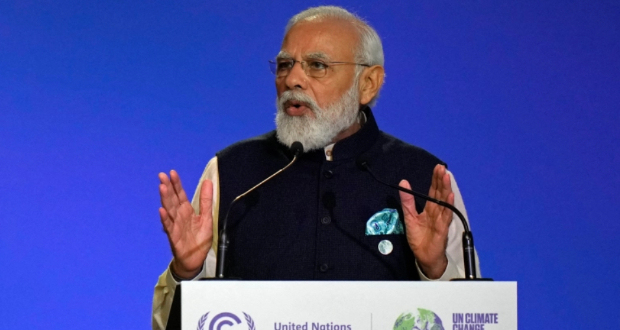
India’s economy will become carbon neutral by the year 2070, the country’s prime minster has announced at the COP26 climate crisis summit in Glasgow. The target date is two decades beyond what scientists say is needed to avert catastrophic climate impacts. India is the last of the world’s major carbon polluters to announce a net-zero target, with China saying it would reach that goal in 2060, and the United States and the European Union aiming for 2050.
COP26: What climate summit means for one woman in Bangladesh
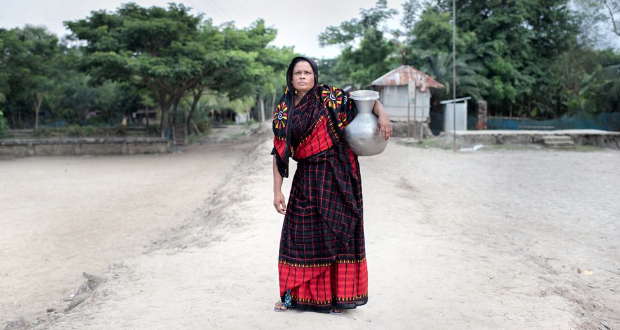
China's carbon emissions are vast and growing, dwarfing those of other countries. Experts agree that without big reductions in China's emissions, the world cannot win the fight against climate change. In 2020, China's President Xi Jinping said his country would aim for its emissions to reach their highest point before 2030 and for carbon neutrality before 2060. His statement has now been confirmed as China's official position ahead of the COP26 global climate summit in Glasgow. But China has not said exactly how these goals will be achieved.
Why China's climate policy matters to us all
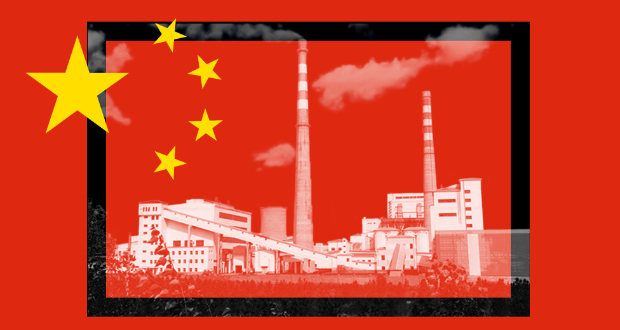
China's carbon emissions are vast and growing, dwarfing those of other countries. Experts agree that without big reductions in China's emissions, the world cannot win the fight against climate change. In 2020, China's President Xi Jinping said his country would aim for its emissions to reach their highest point before 2030 and for carbon neutrality before 2060. His statement has now been confirmed as China's official position ahead of the COP26 global climate summit in Glasgow. But China has not said exactly how these goals will be achieved.
Deliver on promises, developing world tells rich at climate talks

A crucial U.N. conference heard calls on its first day for the world's major economies to keep their promises of financial help to address the climate crisis, while big polluters India and Brazil made new commitments to cut emissions. World leaders, environmental experts and activists all pleaded for decisive action to halt the global warming which threatens the future of the planet at the start of the two-week COP26 summit in the Scottish city of Glasgow on Monday. The task facing negotiators was made even more daunting by the failure of the Group of 20 major industrial nations to agree ambitious new commitments at the weekend.