
Russia-Africa summit: Who stands to gain what?
The two-day event on July 27 and 28 follows Moscow's recent decision to withdraw from the Black Sea Grain Initiative, brokered by Turkey and the UN, which allowed war-torn Ukraine to safely export grain to the African continent from its Black Sea ports.
However, Moscow's suspension of the deal has left African nations worried about the prospects of food shortages. What could be the potential developments at the summit?
African food security high on the agenda
Food security in African countries will be a key topic at the summit in St. Petersburg.
"The creation of logistics corridors and hubs not only for food and fertilisers, but also for any other products that the Russian Federation produces — this will be one of the topics of discussion," Oleg Ozerov, ambassador at large at the Russian Foreign Ministry, told Russian state agency RIA on Tuesday.
Last week, Moscow announced its decision to withdraw from the grain deal, saying that "instead of helping countries in real need, the West used the grain deal for political blackmail." The next day Russian missiles were launched on the Ukrainian port of Odesa, where the grain was being stored.
While most African leaders refrained from commenting ahead of the summit, some African countries voiced their anger. Korir Sing'Oei, Kenya's top official in the Foreign Ministry, described Moscow's move as a "stab in the back."
On Tuesday, the Kremlin said that 17 heads of states had confirmed their participation, down from the 45 that took part in the summit in Sochi in 2019. Moscow complained about the Western pressure on African leaders to persuade them to ignore the summit.
There's widespread belief that the Kremlin will use the summit to announce a possible restoration of grain supplies, to appear as "the savior" of the deal. On Monday, Russian President Vladimir Putin suggested that Moscow would be able to deliver the grain and fertilizers "on a commercial & free-of-charge basis," bypassing Ukraine.
However, Alexei Tselunov, an expert on African affairs, warns that such a move would not provide long-term stability over food prices.
India targets net-zero carbon emissions by 2070, says Modi
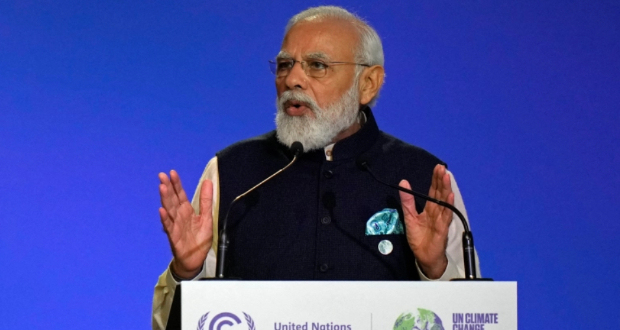
India’s economy will become carbon neutral by the year 2070, the country’s prime minster has announced at the COP26 climate crisis summit in Glasgow. The target date is two decades beyond what scientists say is needed to avert catastrophic climate impacts. India is the last of the world’s major carbon polluters to announce a net-zero target, with China saying it would reach that goal in 2060, and the United States and the European Union aiming for 2050.
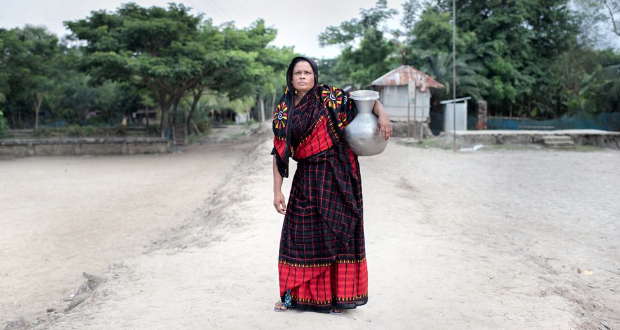
COP26: What climate summit means for one woman in Bangladesh
China's carbon emissions are vast and growing, dwarfing those of other countries. Experts agree that without big reductions in China's emissions, the world cannot win the fight against climate change. In 2020, China's President Xi Jinping said his country would aim for its emissions to reach their highest point before 2030 and for carbon neutrality before 2060. His statement has now been confirmed as China's official position ahead of the COP26 global climate summit in Glasgow. But China has not said exactly how these goals will be achieved.
Why China's climate policy matters to us all
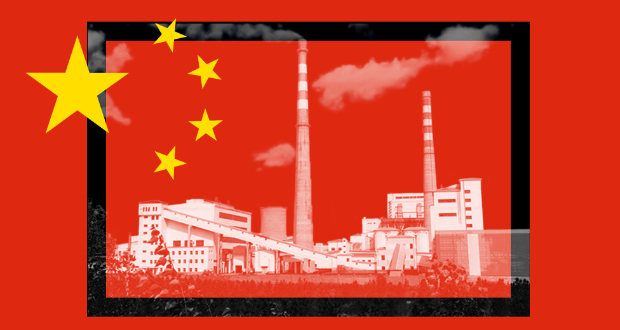
China's carbon emissions are vast and growing, dwarfing those of other countries. Experts agree that without big reductions in China's emissions, the world cannot win the fight against climate change. In 2020, China's President Xi Jinping said his country would aim for its emissions to reach their highest point before 2030 and for carbon neutrality before 2060. His statement has now been confirmed as China's official position ahead of the COP26 global climate summit in Glasgow. But China has not said exactly how these goals will be achieved.
Deliver on promises, developing world tells rich at climate talks

A crucial U.N. conference heard calls on its first day for the world's major economies to keep their promises of financial help to address the climate crisis, while big polluters India and Brazil made new commitments to cut emissions. World leaders, environmental experts and activists all pleaded for decisive action to halt the global warming which threatens the future of the planet at the start of the two-week COP26 summit in the Scottish city of Glasgow on Monday. The task facing negotiators was made even more daunting by the failure of the Group of 20 major industrial nations to agree ambitious new commitments at the weekend.