Zelensky says war ‘returning to Russia’ after Moscow drone attack

Ukrainian President Volodymyr Zelensky said that war is “gradually returning” to Russia hours after the Kremlin accused Kyiv of targeting Moscow with drones, the latest in a series of attacks.

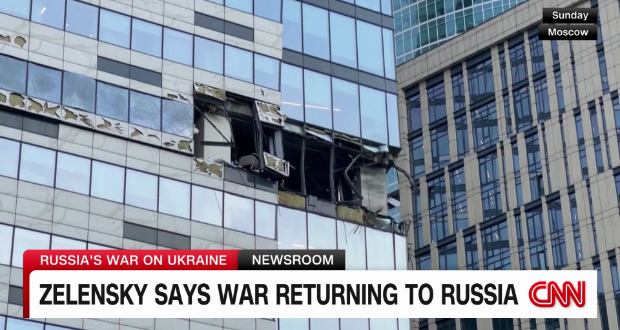
The Russian Defense Ministry said three drones were intercepted Sunday but a business and shopping development in the west of the capital was hit. The fifth and sixth floor of a 50-story building were damaged, and no casualties were reported, state news agency TASS reported.

Videos showed debris as well as emergency services at the scene.

“Ukraine is getting stronger, and the war is gradually returning to Russia’s territory, to its symbolic centers and military bases,” Zelensky said in his daily address. “This is an inevitable, natural, and absolutely fair.”

A spokesman for Ukraine’s Air Force said the latest drone attacks on Moscow were aimed at impacting Russians who, since the Kremlin invaded Ukraine in February 2022, felt the war was distant.

“There’s always something flying in Russia, as well as in Moscow. Now the war is affecting those who were not concerned,” the spokesman, Yurii Ihnat, said on Ukrainian television.

“No matter how the Russian authorities would like to turn a blind eye on this by saying they have intercepted everything … something does hit.”

Ukraine’s military has increasingly been deploying unmanned aerial vehicles for more than just reconnaissance.

Ukrainian Minister Mykhailo Fedorov, whose Digital Transformation Ministry oversees the country’s “Army of Drones” procurement plan, had said there would be more drone strikes to come as Kyiv ramps up a summer counteroffensive aimed at pushing Russian troops out of Ukrainian territory.

Moscow was targeted earlier this week. Ukraine claimed responsibility for a strike on Monday that hit two non-residential buildings, including one near the Ministry of Defense headquarter. Russia called that incident a “terrorist attack,” although the Kremlin’s military actions in Ukraine have regularly caused civilian casualties.

A Russian missile attack in the northeastern Ukrainian city of Sumy late on Saturday killed at least two people civilian and injured another 20, while a rocket strike on Zaporizhzhia left another two people dead.

Both areas had been subject to lengthy bombardments over the weekend. Ukrainian authorities in Sumy said there had been 25 instances of shelling in a single day, while a military leader in Zaporizhzhia said Russian forces had carried out 77 attacks on 20 settlements across the Zaporizhzhia, hitting 31 residential buildings and other pieces of infrastructure.

Read Full Article:

Share This Article

Related Articles

India targets net-zero carbon emissions by 2070, says Modi

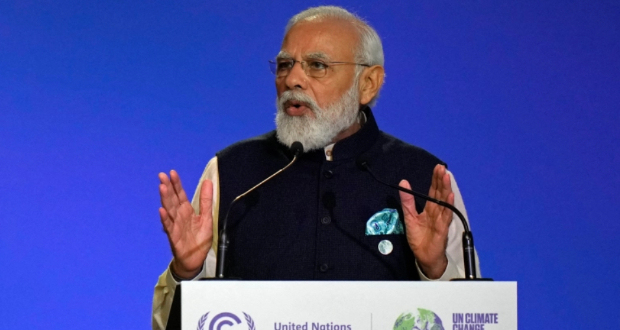
India’s economy will become carbon neutral by the year 2070, the country’s prime minster has announced at the COP26 climate crisis summit in Glasgow. The target date is two decades beyond what scientists say is needed to avert catastrophic climate impacts. India is the last of the world’s major carbon polluters to announce a net-zero target, with China saying it would reach that goal in 2060, and the United States and the European Union aiming for 2050.

COP26: What climate summit means for one woman in Bangladesh

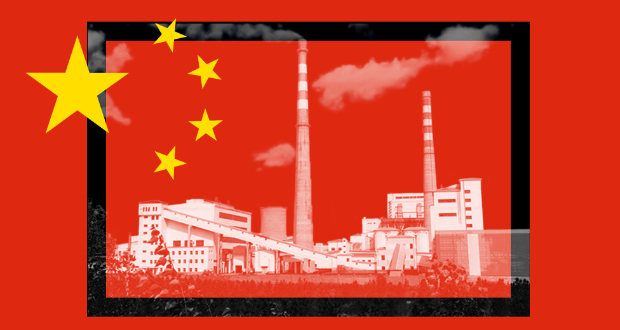
China's carbon emissions are vast and growing, dwarfing those of other countries. Experts agree that without big reductions in China's emissions, the world cannot win the fight against climate change. In 2020, China's President Xi Jinping said his country would aim for its emissions to reach their highest point before 2030 and for carbon neutrality before 2060. His statement has now been confirmed as China's official position ahead of the COP26 global climate summit in Glasgow. But China has not said exactly how these goals will be achieved.

Why China's climate policy matters to us all

China's carbon emissions are vast and growing, dwarfing those of other countries. Experts agree that without big reductions in China's emissions, the world cannot win the fight against climate change. In 2020, China's President Xi Jinping said his country would aim for its emissions to reach their highest point before 2030 and for carbon neutrality before 2060. His statement has now been confirmed as China's official position ahead of the COP26 global climate summit in Glasgow. But China has not said exactly how these goals will be achieved.

Deliver on promises, developing world tells rich at climate talks

A crucial U.N. conference heard calls on its first day for the world's major economies to keep their promises of financial help to address the climate crisis, while big polluters India and Brazil made new commitments to cut emissions. World leaders, environmental experts and activists all pleaded for decisive action to halt the global warming which threatens the future of the planet at the start of the two-week COP26 summit in the Scottish city of Glasgow on Monday. The task facing negotiators was made even more daunting by the failure of the Group of 20 major industrial nations to agree ambitious new commitments at the weekend.