
Why India's rice ban could trigger a global food crisis
On 20 July, India banned exports of non-basmati white rice in an attempt to calm rising domestic prices at home. This was followed by reports and videos of panic buying and empty rice shelves at Indian grocery stores in the US and Canada, driving up prices in the process.
There are thousands of varieties of rice that are grown and consumed, but four main groups are traded globally. The slender long grain Indica rice comprises the bulk of the global trade, while the rest is made up of fragrant or aromatic rice like basmati; the short-grained Japonica, used for sushi and risottos; and glutinous or sticky rice, used for sweets.
India is the world's top rice exporter, accounting for some 40% of the global trade in the cereal. (Thailand, Vietnam, Pakistan and the US are the other top exporters).
Among the major buyers of rice are China, the Philippines and Nigeria. There are "swing buyers" like Indonesia and Bangladesh who step up imports when they have domestic supply shortages. Consumption of rice is high and growing in Africa. In countries like Cuba and Panama it is the main source of energy.
Last year, India exported 22 million tonnes of rice to 140 countries. Of this, six million tonnes was the relatively cheaper Indica white rice. (The estimated global trade in rice was 56 million tonnes.)
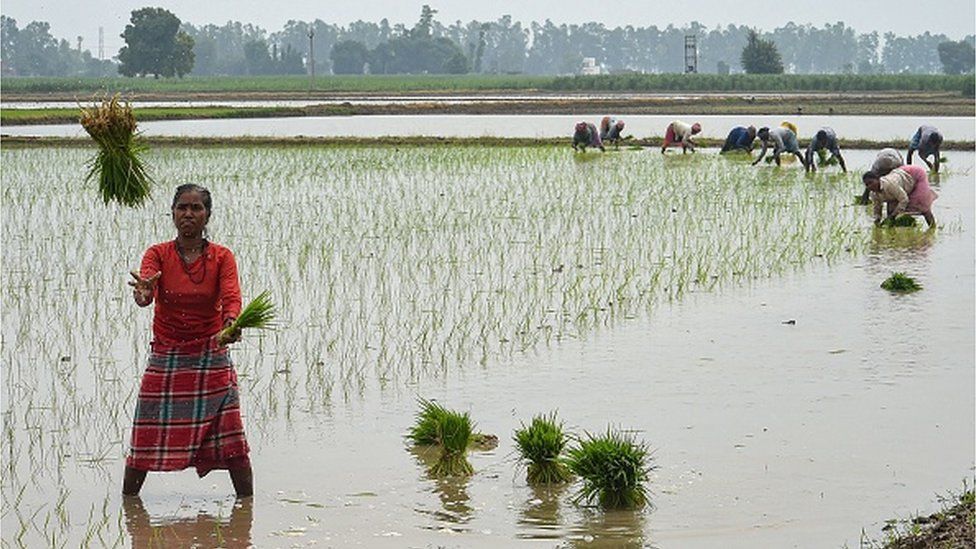
Indica white rice dominates around 70% of the global trade, and India has now ceased its export. This comes on top of the country's ban last year of exports of broken rice and a 20% duty on non-basmati rice exports.
Not surprisingly, July's export ban has sparked worries about runaway global rice prices. IMF chief economist Pierre-Olivier Gourinchas reckons the ban would drive up prices and that global grain prices could rise up to 15% this year.
Also, India's export ban has not come at a particularly propitious time, Shirley Mustafa, a rice market analyst at the UN's Food and Agriculture Organisation (FAO) told me.
India targets net-zero carbon emissions by 2070, says Modi
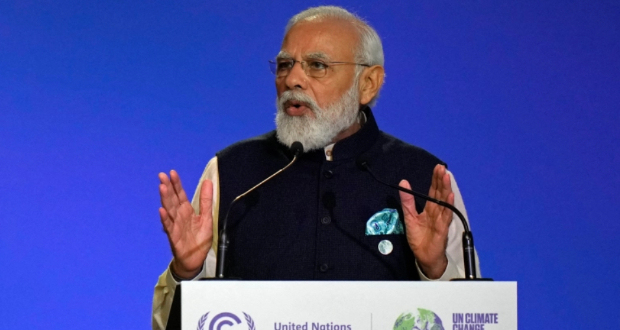
India’s economy will become carbon neutral by the year 2070, the country’s prime minster has announced at the COP26 climate crisis summit in Glasgow. The target date is two decades beyond what scientists say is needed to avert catastrophic climate impacts. India is the last of the world’s major carbon polluters to announce a net-zero target, with China saying it would reach that goal in 2060, and the United States and the European Union aiming for 2050.
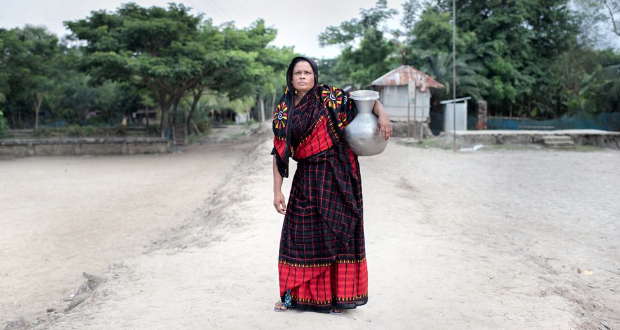
COP26: What climate summit means for one woman in Bangladesh
China's carbon emissions are vast and growing, dwarfing those of other countries. Experts agree that without big reductions in China's emissions, the world cannot win the fight against climate change. In 2020, China's President Xi Jinping said his country would aim for its emissions to reach their highest point before 2030 and for carbon neutrality before 2060. His statement has now been confirmed as China's official position ahead of the COP26 global climate summit in Glasgow. But China has not said exactly how these goals will be achieved.
Why China's climate policy matters to us all
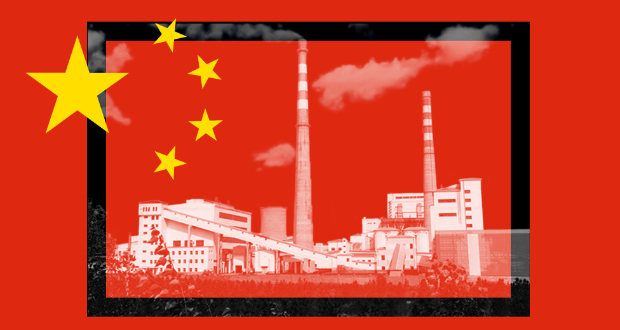
China's carbon emissions are vast and growing, dwarfing those of other countries. Experts agree that without big reductions in China's emissions, the world cannot win the fight against climate change. In 2020, China's President Xi Jinping said his country would aim for its emissions to reach their highest point before 2030 and for carbon neutrality before 2060. His statement has now been confirmed as China's official position ahead of the COP26 global climate summit in Glasgow. But China has not said exactly how these goals will be achieved.
Deliver on promises, developing world tells rich at climate talks

A crucial U.N. conference heard calls on its first day for the world's major economies to keep their promises of financial help to address the climate crisis, while big polluters India and Brazil made new commitments to cut emissions. World leaders, environmental experts and activists all pleaded for decisive action to halt the global warming which threatens the future of the planet at the start of the two-week COP26 summit in the Scottish city of Glasgow on Monday. The task facing negotiators was made even more daunting by the failure of the Group of 20 major industrial nations to agree ambitious new commitments at the weekend.