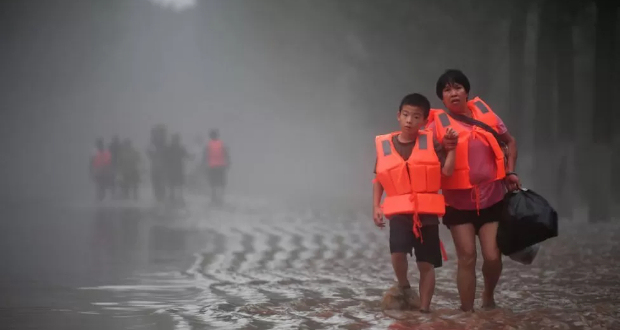
China floods: The families torn apart by 'huge, furious waves'
Ten-year-old Miao Chunyou screamed for her mum as she disappeared into a brown torrent that had engulfed western Beijing.
The strong currents ripped Miao from her father's grip as floods, triggered by incessant rains, chased the family of three to the roof of a neighbour's house.
Her mother, clinging to a tree branch, watched helplessly. That was the last time she saw Miao. More than 10 days have passed but the couple has heard no news about their daughter.
"It was like a scene from a movie, with huge, furious waves," Miao's mother tells the BBC. She only shared her last name, Chang.
China is no stranger to floods, but July saw a ttrio of typhoons from the Pacific Ocean over three weeks, which exacerbated seasonal monsoon rains. Two of the three made landfall in the country, including super typhoon Doksuri, which churned slowly over large areas of north-west China for several days, inundating Beijing and surrounding provinces such as Hebei. That week, the Chinese capital experienced the most rainfall in 140 years.
Sixty-two people have so far been confirmed dead in the deluge - 33 from Beijing and 29 from neighbouring Hebei province.
Miao was swallowed by water "as high as two adults, one standing on the other", her mother says. "Villagers in their 70s or 80s said they had never seen floods this big in their lives."
She says that it had been raining heavily until July 30, when the downpour eased. The family believed the worst had passed, but stayed home, worried that going outside could expose them to mudslides.
But the following morning "the rain came down heavily", Ms Chang said. As water rapidly filled the house, she and her husband tried to pump it out. But within half hour, flood water and mud smashed through the front wall.
India targets net-zero carbon emissions by 2070, says Modi
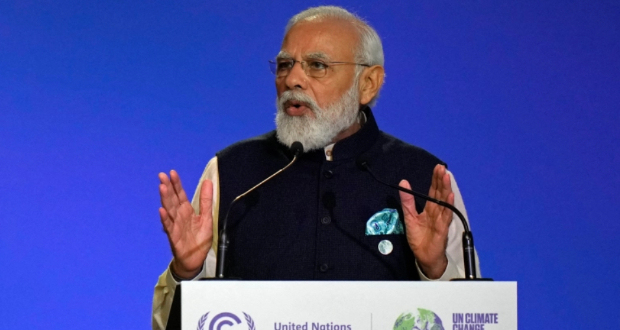
India’s economy will become carbon neutral by the year 2070, the country’s prime minster has announced at the COP26 climate crisis summit in Glasgow. The target date is two decades beyond what scientists say is needed to avert catastrophic climate impacts. India is the last of the world’s major carbon polluters to announce a net-zero target, with China saying it would reach that goal in 2060, and the United States and the European Union aiming for 2050.
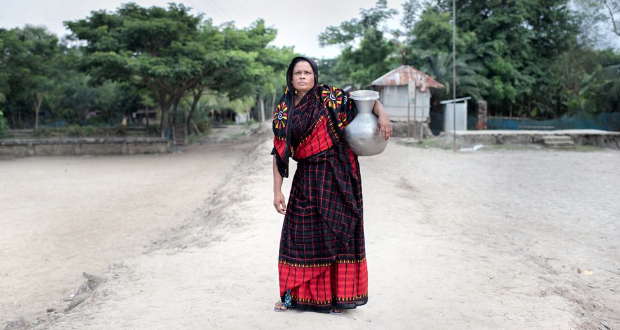
COP26: What climate summit means for one woman in Bangladesh
China's carbon emissions are vast and growing, dwarfing those of other countries. Experts agree that without big reductions in China's emissions, the world cannot win the fight against climate change. In 2020, China's President Xi Jinping said his country would aim for its emissions to reach their highest point before 2030 and for carbon neutrality before 2060. His statement has now been confirmed as China's official position ahead of the COP26 global climate summit in Glasgow. But China has not said exactly how these goals will be achieved.
Why China's climate policy matters to us all
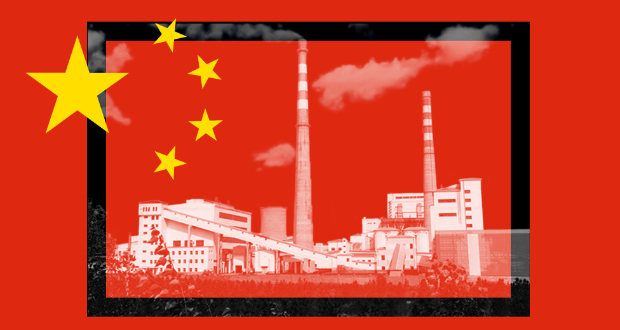
China's carbon emissions are vast and growing, dwarfing those of other countries. Experts agree that without big reductions in China's emissions, the world cannot win the fight against climate change. In 2020, China's President Xi Jinping said his country would aim for its emissions to reach their highest point before 2030 and for carbon neutrality before 2060. His statement has now been confirmed as China's official position ahead of the COP26 global climate summit in Glasgow. But China has not said exactly how these goals will be achieved.
Deliver on promises, developing world tells rich at climate talks

A crucial U.N. conference heard calls on its first day for the world's major economies to keep their promises of financial help to address the climate crisis, while big polluters India and Brazil made new commitments to cut emissions. World leaders, environmental experts and activists all pleaded for decisive action to halt the global warming which threatens the future of the planet at the start of the two-week COP26 summit in the Scottish city of Glasgow on Monday. The task facing negotiators was made even more daunting by the failure of the Group of 20 major industrial nations to agree ambitious new commitments at the weekend.