UN force in Mali quits base early over insecurity

Mali's junta demanded in June that the MINUSMA force withdraw from the West African country after a decade-long deployment. The mission was created to quell separatist and Islamist insurgencies in northern Mali.

The United Nations peacekeeping mission in Mali on Sunday said it had brought forward its withdrawal from a base in the north of the country due to deteriorating security conditions.

Over the past few days, the rebel alliance led by ethnic Tuaregs has accused Malian forces and Russian Wagner troops of violating a cease-fire by attacking its forces stationed near Ber.

The Malian army has not responded to the allegations, but on Saturday said six soldiers died and 24 fighters from "armed terrorist groups" were killed in a skirmish in the area a day earlier.

What did the UN mission say?

MINUSMA, as the UN mission is known, said in a statement it had "expedited its withdrawal from Ber due to the deteriorating security and the high risks that brings for our Blue Helmets." 

"It urges all concerned parties to refrain from any actions that could further complicate the operation," it said, without naming those involved.

A senior local security official told AFP news agency that MINUSMA troops had left Ber, adding that the withdrawal had taken place "without incident."

Three injured in strike on UN convoy

However, MIMUSMA later said on X, formerly known as Twitter, that its convoy was attacked twice while leaving Ber and three blue helmet soldiers were evacuated for medical treatment.

Read Full Article:

Share This Article

Related Articles

India targets net-zero carbon emissions by 2070, says Modi

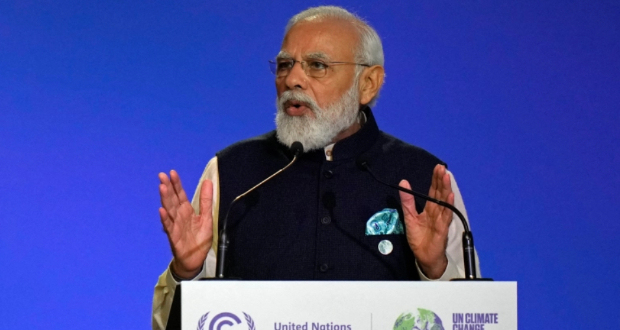
India’s economy will become carbon neutral by the year 2070, the country’s prime minster has announced at the COP26 climate crisis summit in Glasgow. The target date is two decades beyond what scientists say is needed to avert catastrophic climate impacts. India is the last of the world’s major carbon polluters to announce a net-zero target, with China saying it would reach that goal in 2060, and the United States and the European Union aiming for 2050.

COP26: What climate summit means for one woman in Bangladesh

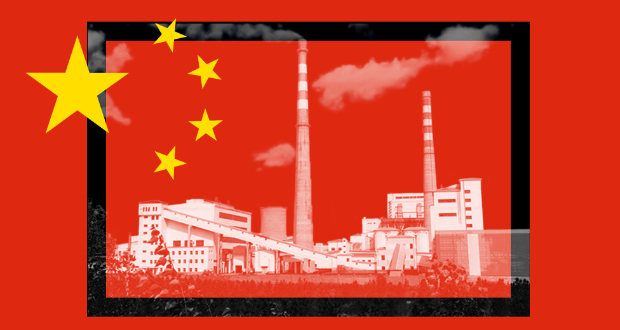
China's carbon emissions are vast and growing, dwarfing those of other countries. Experts agree that without big reductions in China's emissions, the world cannot win the fight against climate change. In 2020, China's President Xi Jinping said his country would aim for its emissions to reach their highest point before 2030 and for carbon neutrality before 2060. His statement has now been confirmed as China's official position ahead of the COP26 global climate summit in Glasgow. But China has not said exactly how these goals will be achieved.

Why China's climate policy matters to us all

China's carbon emissions are vast and growing, dwarfing those of other countries. Experts agree that without big reductions in China's emissions, the world cannot win the fight against climate change. In 2020, China's President Xi Jinping said his country would aim for its emissions to reach their highest point before 2030 and for carbon neutrality before 2060. His statement has now been confirmed as China's official position ahead of the COP26 global climate summit in Glasgow. But China has not said exactly how these goals will be achieved.

Deliver on promises, developing world tells rich at climate talks

A crucial U.N. conference heard calls on its first day for the world's major economies to keep their promises of financial help to address the climate crisis, while big polluters India and Brazil made new commitments to cut emissions. World leaders, environmental experts and activists all pleaded for decisive action to halt the global warming which threatens the future of the planet at the start of the two-week COP26 summit in the Scottish city of Glasgow on Monday. The task facing negotiators was made even more daunting by the failure of the Group of 20 major industrial nations to agree ambitious new commitments at the weekend.