Sudan 'spiralling out of control' as 1 million flee country, UN warns

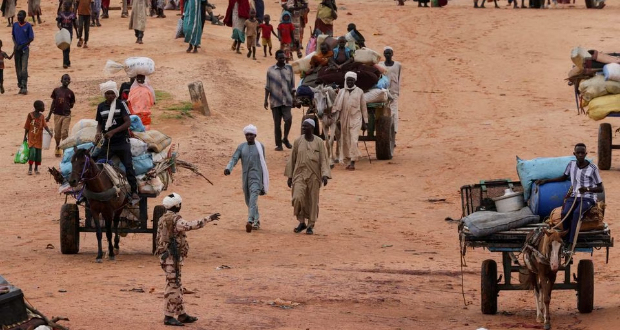
More than 1 million people have fled Sudan to neighbouring states and people inside the country are running out of food and dying due to lack of healthcare after four months of war, the United Nations warned on Tuesday.


Fighting between the Sudanese army and the paramilitary Rapid Support Forces (RSF) has devastated the capital Khartoum and sparked ethnically driven attacks in Darfur, threatening to plunge Sudan into a protracted civil war and destabilise the region.

"Time is running out for farmers to plant the crops that will feed them and their neighbours. Medical supplies are scarce. The situation is spiralling out of control," U.N. agencies said in a joint statement.

"At the end of the day, this war will end at a negotiating table," said deputy Sovereign Council head Malik Agar, in a potential softening of the army's stance, citing the hardships citizens have endured.

The war has caused 1,017,449 people to cross from Sudan into neighbouring countries, many already struggling with the impact of conflicts or economic crises, while those displaced within Sudan are estimated to number 3,433,025, according to the latest weekly figures published by the IOM.

Fighting erupted on April 15 over tensions linked to a planned transition to civilian rule, exposing civilians in the capital and beyond to daily battles and attacks.
Read Full Article:

Share This Article

Related Articles

India targets net-zero carbon emissions by 2070, says Modi

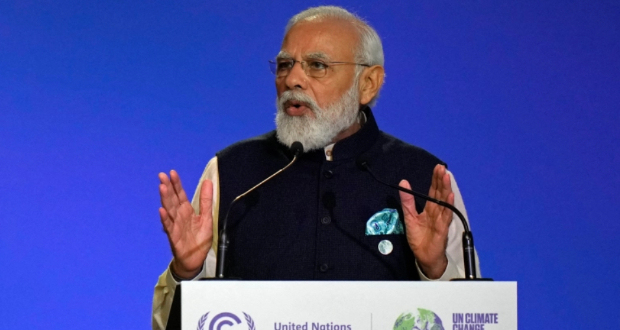
India’s economy will become carbon neutral by the year 2070, the country’s prime minster has announced at the COP26 climate crisis summit in Glasgow. The target date is two decades beyond what scientists say is needed to avert catastrophic climate impacts. India is the last of the world’s major carbon polluters to announce a net-zero target, with China saying it would reach that goal in 2060, and the United States and the European Union aiming for 2050.

COP26: What climate summit means for one woman in Bangladesh

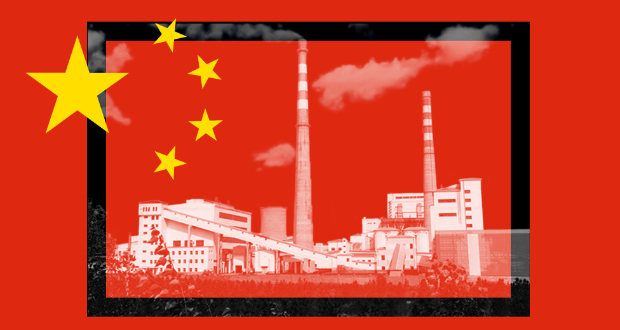
China's carbon emissions are vast and growing, dwarfing those of other countries. Experts agree that without big reductions in China's emissions, the world cannot win the fight against climate change. In 2020, China's President Xi Jinping said his country would aim for its emissions to reach their highest point before 2030 and for carbon neutrality before 2060. His statement has now been confirmed as China's official position ahead of the COP26 global climate summit in Glasgow. But China has not said exactly how these goals will be achieved.

Why China's climate policy matters to us all

China's carbon emissions are vast and growing, dwarfing those of other countries. Experts agree that without big reductions in China's emissions, the world cannot win the fight against climate change. In 2020, China's President Xi Jinping said his country would aim for its emissions to reach their highest point before 2030 and for carbon neutrality before 2060. His statement has now been confirmed as China's official position ahead of the COP26 global climate summit in Glasgow. But China has not said exactly how these goals will be achieved.

Deliver on promises, developing world tells rich at climate talks

A crucial U.N. conference heard calls on its first day for the world's major economies to keep their promises of financial help to address the climate crisis, while big polluters India and Brazil made new commitments to cut emissions. World leaders, environmental experts and activists all pleaded for decisive action to halt the global warming which threatens the future of the planet at the start of the two-week COP26 summit in the Scottish city of Glasgow on Monday. The task facing negotiators was made even more daunting by the failure of the Group of 20 major industrial nations to agree ambitious new commitments at the weekend.