
The Emerging Market Bloc That Wants to Shake Up the World Order
The world’s leading emerging market powers have complained for years about being sidelined by wealthy nations. Now they are mounting their most ambitious challenge yet to the status quo.
The BRICS bloc — Brazil, Russia, India, China and South Africa — will use an annual leaders’ summit in Johannesburg this week to begin the process of enlisting more members to bolster its global heft, a push driven mainly by Chinese President Xi Jinping but also backed by Russia and South Africa. There will also be talks on how to accelerate a shift away from the dollar, in part by increasing the use of local currencies in trade between members, which is surging, according to a draft agenda seen by Bloomberg.
The bloc has failed to convert its growing economic might into significant political clout since it began holding summits 15 years ago. But the current splintering of the world order amid rising US-China frictions and the splits over Russia’s invasion of Ukraine provides a fresh opening for it to become a louder voice of the Global South and potentially to challenge the US and its allies. “We want to make the BRICS very strong politically, very strong financially,” said Brazilian President Luiz Inacio Lula da Silva.
The summit could see the bloc’s first expansion since South Africa was added in 2010. High on the list of potential candidates are Indonesia and Saudi Arabia, as well as the United Arab Emirates, Algeria and Egypt. But India wants the process to be gradual. An expanded group would represent about half of global output by 2040, Bloomberg Economics estimates show, double the share of the Group of Seven, a reversal from the turn of this century. A bigger BRICS would account for almost half of the global population, up from 42% currently, according to Anil Sooklal, South Africa’s ambassador to the bloc.
India targets net-zero carbon emissions by 2070, says Modi
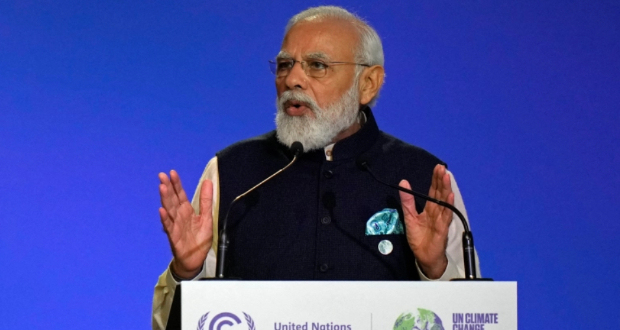
India’s economy will become carbon neutral by the year 2070, the country’s prime minster has announced at the COP26 climate crisis summit in Glasgow. The target date is two decades beyond what scientists say is needed to avert catastrophic climate impacts. India is the last of the world’s major carbon polluters to announce a net-zero target, with China saying it would reach that goal in 2060, and the United States and the European Union aiming for 2050.
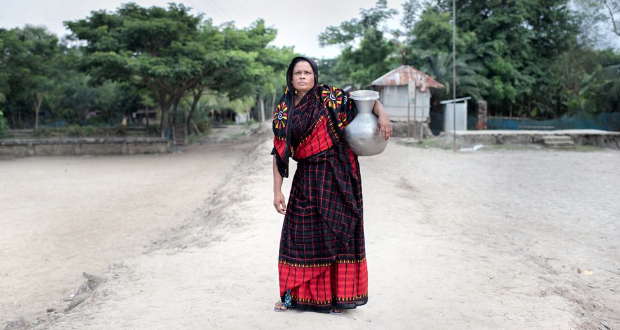
COP26: What climate summit means for one woman in Bangladesh
China's carbon emissions are vast and growing, dwarfing those of other countries. Experts agree that without big reductions in China's emissions, the world cannot win the fight against climate change. In 2020, China's President Xi Jinping said his country would aim for its emissions to reach their highest point before 2030 and for carbon neutrality before 2060. His statement has now been confirmed as China's official position ahead of the COP26 global climate summit in Glasgow. But China has not said exactly how these goals will be achieved.
Why China's climate policy matters to us all
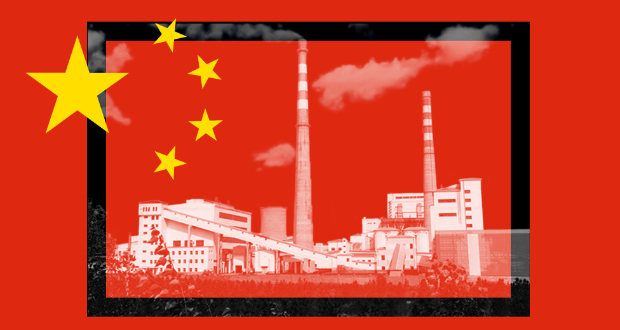
China's carbon emissions are vast and growing, dwarfing those of other countries. Experts agree that without big reductions in China's emissions, the world cannot win the fight against climate change. In 2020, China's President Xi Jinping said his country would aim for its emissions to reach their highest point before 2030 and for carbon neutrality before 2060. His statement has now been confirmed as China's official position ahead of the COP26 global climate summit in Glasgow. But China has not said exactly how these goals will be achieved.
Deliver on promises, developing world tells rich at climate talks

A crucial U.N. conference heard calls on its first day for the world's major economies to keep their promises of financial help to address the climate crisis, while big polluters India and Brazil made new commitments to cut emissions. World leaders, environmental experts and activists all pleaded for decisive action to halt the global warming which threatens the future of the planet at the start of the two-week COP26 summit in the Scottish city of Glasgow on Monday. The task facing negotiators was made even more daunting by the failure of the Group of 20 major industrial nations to agree ambitious new commitments at the weekend.