UK summit is first step on long road to global AI safety

One of the prime minister’s priorities this autumn is the successful delivery of the global AI safety summit. But what does success look like?


The AI summit is about safety. These safety concerns can be broadly split in two: national security, and economic risk. National security risk must then be split into military and civil risk.

On the military side, as evidenced by the standstill at the UN on the development of autonomous weapons – blocked at stages by the UK itself – there’s little hope of global consensus.

If China is at the summit, which it ought to be, the military aspect will be off the agenda. Geopolitical tensions between China and the US, along with the importance of arms manufacturing to the UK economy, will prove too tricky to navigate. If China isn’t there, some discussion will likely happen but it will probably be inconclusive.

On civil risk, we should make progress. This will likely mean a shared view of the types of risk we’re talking about. For example, bad actors using AI tools to build novel cyber weapons to enhance criminal activity. We may get as far as recognising the automatic creation of increasingly persuasive deep fake video, audio and text as being a problem.

But will the summit agree on what to do about it? No, not at this stage, and any agreement on how to deal with disinformation during an election period will probably interact with ongoing work via the G7 and therefore have to wait until December, as a courtesy to the Japanese, who currently chair the group.

The answer will be much the same on economic risk. We might agree about the potential effects of AI on our economies over the next decade or so, not least on jobs, but the reality is that we don’t really know for sure.

Read Full Article:

Share This Article

Related Articles

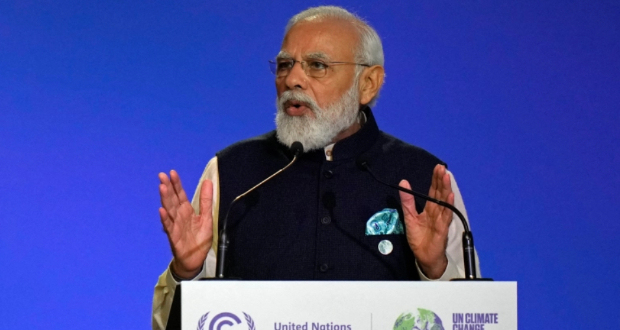
India targets net-zero carbon emissions by 2070, says Modi

India’s economy will become carbon neutral by the year 2070, the country’s prime minster has announced at the COP26 climate crisis summit in Glasgow. The target date is two decades beyond what scientists say is needed to avert catastrophic climate impacts. India is the last of the world’s major carbon polluters to announce a net-zero target, with China saying it would reach that goal in 2060, and the United States and the European Union aiming for 2050.

COP26: What climate summit means for one woman in Bangladesh

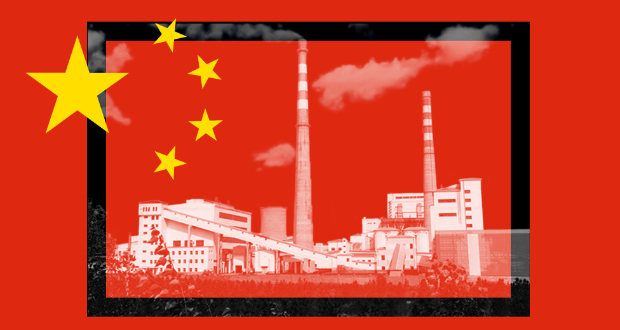
China's carbon emissions are vast and growing, dwarfing those of other countries. Experts agree that without big reductions in China's emissions, the world cannot win the fight against climate change. In 2020, China's President Xi Jinping said his country would aim for its emissions to reach their highest point before 2030 and for carbon neutrality before 2060. His statement has now been confirmed as China's official position ahead of the COP26 global climate summit in Glasgow. But China has not said exactly how these goals will be achieved.

Why China's climate policy matters to us all

China's carbon emissions are vast and growing, dwarfing those of other countries. Experts agree that without big reductions in China's emissions, the world cannot win the fight against climate change. In 2020, China's President Xi Jinping said his country would aim for its emissions to reach their highest point before 2030 and for carbon neutrality before 2060. His statement has now been confirmed as China's official position ahead of the COP26 global climate summit in Glasgow. But China has not said exactly how these goals will be achieved.

Deliver on promises, developing world tells rich at climate talks

A crucial U.N. conference heard calls on its first day for the world's major economies to keep their promises of financial help to address the climate crisis, while big polluters India and Brazil made new commitments to cut emissions. World leaders, environmental experts and activists all pleaded for decisive action to halt the global warming which threatens the future of the planet at the start of the two-week COP26 summit in the Scottish city of Glasgow on Monday. The task facing negotiators was made even more daunting by the failure of the Group of 20 major industrial nations to agree ambitious new commitments at the weekend.