
Those continued claiming situation in Myanmar 'not conducive' for repatriation rarely visit Rakhine: Chinese Ambassador Yao
Chinese Ambassador to Bangladesh Yao Wen has said those who keep claiming situation in Myanmar "not conducive" for repatriation have seldom visited Myanmar's Rakhine State.
"It's quite strange. And they didn't answer the question whether the situation in Cox's Bazar is right for the displaced people to live a decent life. This is something they have to ask themselves," he on Thursday, highlighting the importance of joint global efforts to realise repatriation of the Rohingyas.
The current influx of Rohingyas took place on 25 August 2017, marking the 6th anniversary on Friday.
"The Rohingya issue has plagued Bangladesh and Myanmar for a long time. Over the years, Bangladesh has made great sacrifices by sheltering these displaced people. However, the security situation in the camps is deteriorating rapidly," said Ambassador Yao, noting that killings, gun fights, kidnapping, drug and human trafficking are rampant in the Cox's Bazar camps.
"External assistance is also heading down. The food ration for the displaced people has been reduced from $12 to $8 per person per month, which is far from enough for sustaining lives," he added.
Saying that all parties have increasingly realised repatriation is the only way out, the Chinese envoy stressed that Prime Minister of Bangladesh Sheikh Hasina has also repeatedly expressed her firm resolve and determination for repatriation.
"Though the Rohingya issue is by nature a bilateral one between Bangladesh and Myanmar, China, as a common neighbour of both countries and permanent member of the United Nations Security Council, supports the two sides to settle differences through friendly consultations, so as to maintain peace and stability in the region," said the ambassador.
In 2018, China put forward the three-step proposition on improvement of the situation in Rakhine State of Myanmar, namely to "stop violence, start repatriation and focus on development."
"Over the years, China has offered tremendous help within its capability," said the ambassador, "We have urged Myanmar to improve the security situation in Rakhine State, helped Bangladesh and Myanmar promote conditions of repatriation and resettlement facilities, provided good office for direct talks between Bangladesh and Myanmar, and called on the international community to encourage and support both sides," he elaborated.
According to him, China's mediating and facilitating role has won respect, recognition and trust from both Bangladesh and Myanmar, and helped the two countries enhance their trust on each other.
Something positive seems to be happening.
This year by far, Myanmar has shown stronger will and increasing flexibility to take back some of the displaced people, according to the Chinese envoy.
India targets net-zero carbon emissions by 2070, says Modi
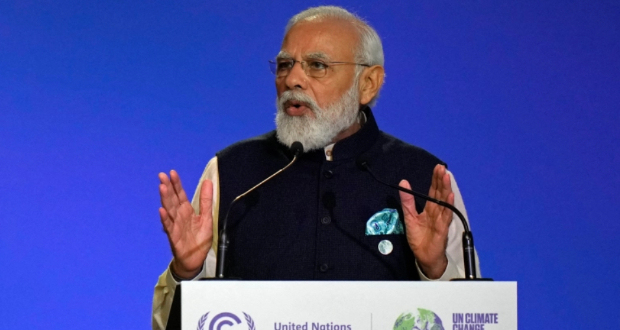
India’s economy will become carbon neutral by the year 2070, the country’s prime minster has announced at the COP26 climate crisis summit in Glasgow. The target date is two decades beyond what scientists say is needed to avert catastrophic climate impacts. India is the last of the world’s major carbon polluters to announce a net-zero target, with China saying it would reach that goal in 2060, and the United States and the European Union aiming for 2050.
COP26: What climate summit means for one woman in Bangladesh
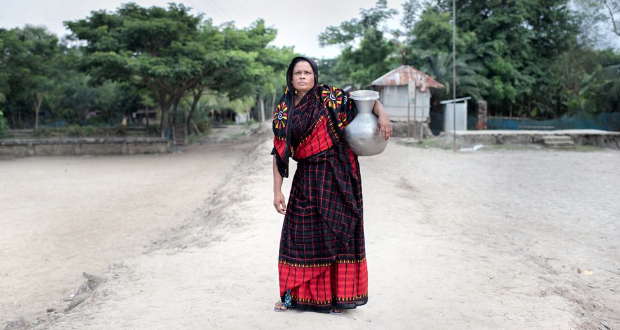
China's carbon emissions are vast and growing, dwarfing those of other countries. Experts agree that without big reductions in China's emissions, the world cannot win the fight against climate change. In 2020, China's President Xi Jinping said his country would aim for its emissions to reach their highest point before 2030 and for carbon neutrality before 2060. His statement has now been confirmed as China's official position ahead of the COP26 global climate summit in Glasgow. But China has not said exactly how these goals will be achieved.
Why China's climate policy matters to us all
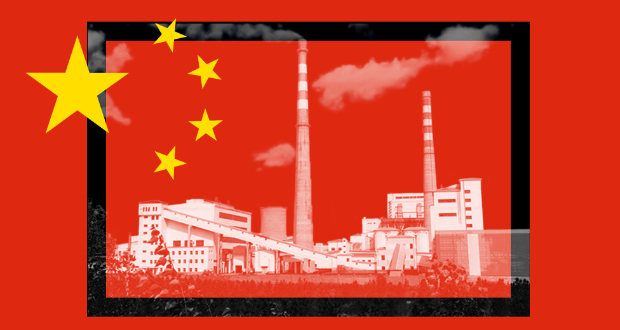
China's carbon emissions are vast and growing, dwarfing those of other countries. Experts agree that without big reductions in China's emissions, the world cannot win the fight against climate change. In 2020, China's President Xi Jinping said his country would aim for its emissions to reach their highest point before 2030 and for carbon neutrality before 2060. His statement has now been confirmed as China's official position ahead of the COP26 global climate summit in Glasgow. But China has not said exactly how these goals will be achieved.
Deliver on promises, developing world tells rich at climate talks

A crucial U.N. conference heard calls on its first day for the world's major economies to keep their promises of financial help to address the climate crisis, while big polluters India and Brazil made new commitments to cut emissions. World leaders, environmental experts and activists all pleaded for decisive action to halt the global warming which threatens the future of the planet at the start of the two-week COP26 summit in the Scottish city of Glasgow on Monday. The task facing negotiators was made even more daunting by the failure of the Group of 20 major industrial nations to agree ambitious new commitments at the weekend.