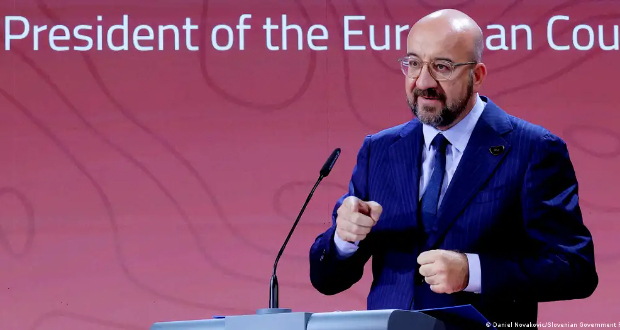
Michel says EU must be ready to admit new members by 2030
European Council President Charles Michel said the EU and candidate countries must implement reforms so new members can join by the end of the decade. EU Leaders will discuss the issue at an upcoming summit.
The European Union should make a "bold move" and accept new members by 2030, European Council President Charles Michel said on Monday.
He made the remarks at the international strategic forum at the Slovenian lakeside resort of Bled, a meeting attended by Western Balkan leaders.
"I believe we must be ready, on both sides, by 2030 to enlarge," Michel said. "This is ambitious, but necessary. It shows that we are serious," adding a timeline would grant the bloc more credibility.
"Not reforming on our side before the next enlargement would be a fundamental mistake," Michel said. "It only makes sense for new member states to join a Union that's functioning well, that's efficient," he stated.
According to Michel, the bloc's leaders would discuss "the EU's capacity to absorb new members," at an upcoming summit in Granada, Spain, in October. Going through the accession process and eventually joining the bloc requires unanimous decisions by all current members.
War in Ukraine shapes future of Europe
The Russian full-scale invasion of Ukraine has focused minds in Brussels on the need for new political momentum to support the ambition of several membership candidates.
Michel said that the war in Ukraine "has shown that peace and democracy cannot be taken for granted." "This war is not just devastating Ukraine: this war has a profound impact on the future of our continent. It has a profound impact on global security," he said.
EU officials fear that Russia could seek to destabilize the Balkans, which experienced a bloody war in the 1990s, and thus divert world attention from its aggression in Ukraine.
Russia's Balkan ally Serbia has refused to join EU sanctions against Moscow, although Belgrade says it respects Ukrainian territorial integrity.
India targets net-zero carbon emissions by 2070, says Modi
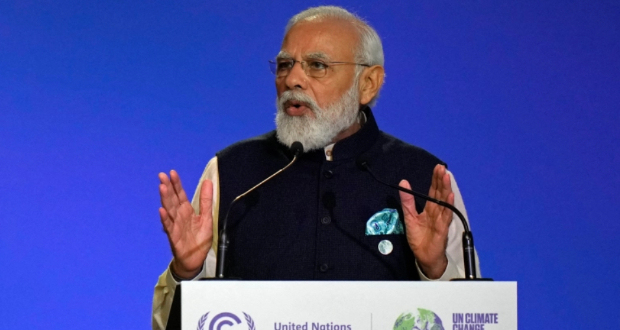
India’s economy will become carbon neutral by the year 2070, the country’s prime minster has announced at the COP26 climate crisis summit in Glasgow. The target date is two decades beyond what scientists say is needed to avert catastrophic climate impacts. India is the last of the world’s major carbon polluters to announce a net-zero target, with China saying it would reach that goal in 2060, and the United States and the European Union aiming for 2050.
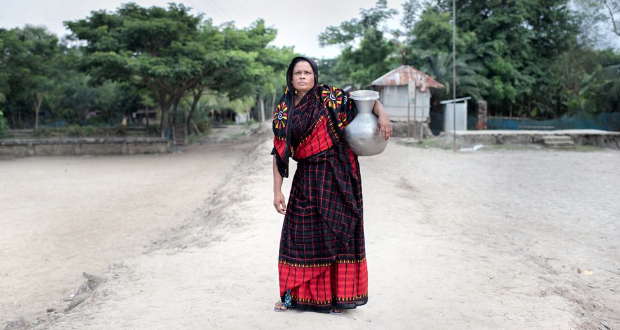
COP26: What climate summit means for one woman in Bangladesh
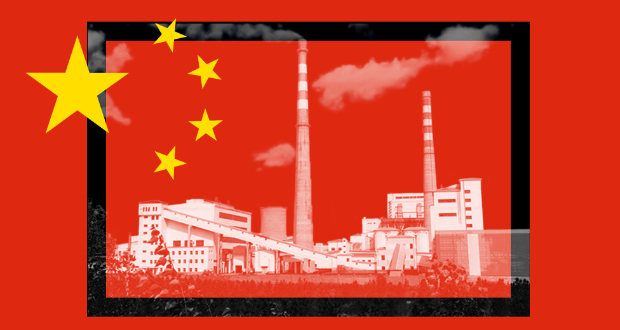
China's carbon emissions are vast and growing, dwarfing those of other countries. Experts agree that without big reductions in China's emissions, the world cannot win the fight against climate change. In 2020, China's President Xi Jinping said his country would aim for its emissions to reach their highest point before 2030 and for carbon neutrality before 2060. His statement has now been confirmed as China's official position ahead of the COP26 global climate summit in Glasgow. But China has not said exactly how these goals will be achieved.
Why China's climate policy matters to us all
China's carbon emissions are vast and growing, dwarfing those of other countries. Experts agree that without big reductions in China's emissions, the world cannot win the fight against climate change. In 2020, China's President Xi Jinping said his country would aim for its emissions to reach their highest point before 2030 and for carbon neutrality before 2060. His statement has now been confirmed as China's official position ahead of the COP26 global climate summit in Glasgow. But China has not said exactly how these goals will be achieved.
Deliver on promises, developing world tells rich at climate talks

A crucial U.N. conference heard calls on its first day for the world's major economies to keep their promises of financial help to address the climate crisis, while big polluters India and Brazil made new commitments to cut emissions. World leaders, environmental experts and activists all pleaded for decisive action to halt the global warming which threatens the future of the planet at the start of the two-week COP26 summit in the Scottish city of Glasgow on Monday. The task facing negotiators was made even more daunting by the failure of the Group of 20 major industrial nations to agree ambitious new commitments at the weekend.