
Africa proposes global carbon taxes to fight climate change
African leaders have proposed a global carbon tax regime in a joint declaration.
The Nairobi Declaration capped the three-day Africa Climate Summit in Kenya's capital.
The document, released on Wednesday, demanded that major polluters commit more resources to help poorer nations.
African heads of state said they will use it as the basis of their negotiating position at November's COP28 summit.
The African Climate Summit was dominated by discussions on how to mobilise financing to adapt to increasingly extreme weather, conserve natural resources and develop renewable energy.
Africa is among the most vulnerable continents to the impact of climate change, but according to researchers, it only receives about 12% of the nearly $300bn (£240bn) in annual financing it needs to cope.
The Nairobi Declaration urged world leaders "to rally behind the proposal for a global carbon taxation regime including a carbon tax on fossil fuel trade, maritime transport and aviation, that may also be augmented by a global financial transaction tax".
It said such measures would ensure large-scale financing for climate-related investments and insulate the issue of tax rises from geopolitical and domestic political pressures.
Around two dozen countries currently impose taxes on carbon, according to the International Monetary Fund (IMF), but the idea of a global carbon tax regime has failed to gain much traction.
On Tuesday, Kenya's President William Ruto referred to past proposals in the European Union for a financial transaction tax.
Conservation groups in 2011 said money raised from the tax should finance environmental priorities, but the European Commission's proposal never won the unanimous approval required from the European Council to become law.
India targets net-zero carbon emissions by 2070, says Modi
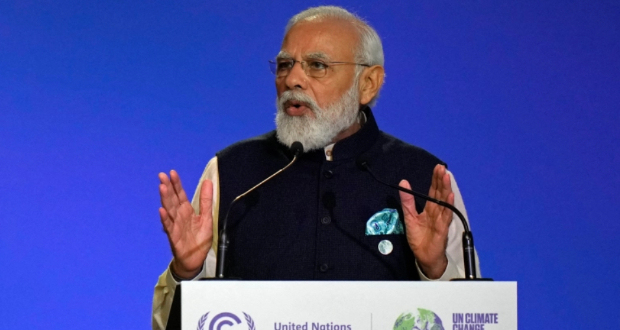
India’s economy will become carbon neutral by the year 2070, the country’s prime minster has announced at the COP26 climate crisis summit in Glasgow. The target date is two decades beyond what scientists say is needed to avert catastrophic climate impacts. India is the last of the world’s major carbon polluters to announce a net-zero target, with China saying it would reach that goal in 2060, and the United States and the European Union aiming for 2050.
COP26: What climate summit means for one woman in Bangladesh

China's carbon emissions are vast and growing, dwarfing those of other countries. Experts agree that without big reductions in China's emissions, the world cannot win the fight against climate change. In 2020, China's President Xi Jinping said his country would aim for its emissions to reach their highest point before 2030 and for carbon neutrality before 2060. His statement has now been confirmed as China's official position ahead of the COP26 global climate summit in Glasgow. But China has not said exactly how these goals will be achieved.
Why China's climate policy matters to us all
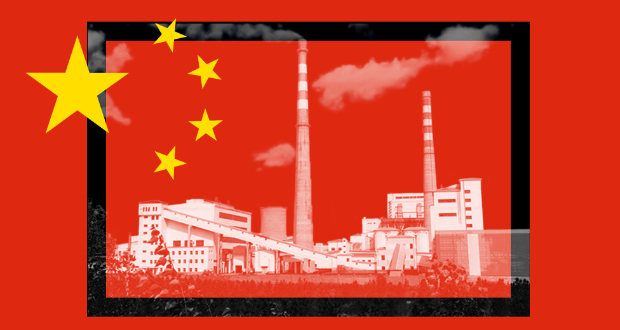
China's carbon emissions are vast and growing, dwarfing those of other countries. Experts agree that without big reductions in China's emissions, the world cannot win the fight against climate change. In 2020, China's President Xi Jinping said his country would aim for its emissions to reach their highest point before 2030 and for carbon neutrality before 2060. His statement has now been confirmed as China's official position ahead of the COP26 global climate summit in Glasgow. But China has not said exactly how these goals will be achieved.
Deliver on promises, developing world tells rich at climate talks

A crucial U.N. conference heard calls on its first day for the world's major economies to keep their promises of financial help to address the climate crisis, while big polluters India and Brazil made new commitments to cut emissions. World leaders, environmental experts and activists all pleaded for decisive action to halt the global warming which threatens the future of the planet at the start of the two-week COP26 summit in the Scottish city of Glasgow on Monday. The task facing negotiators was made even more daunting by the failure of the Group of 20 major industrial nations to agree ambitious new commitments at the weekend.