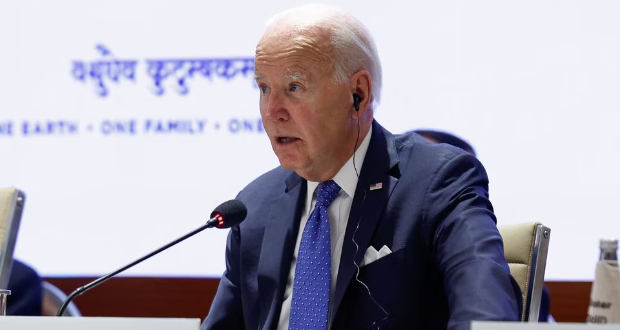
Biden meets Li Qiang, says China economic 'crisis' makes Taiwan invasion less likely
U.S. President Joe Biden said on Sunday he held his highest level talks with Chinese leadership in months, adding that Beijing's economic wobbles would not lead it to invade Taiwan.
Biden said he met with Chinese President Xi Jinping's No.2, Chinese Premier Li Qiang, at the annual G20 summit in New Delhi. The talks were the highest level meeting between the two powers in nearly 10 months since Biden and Xi spoke at last year's G20 in Indonesia.
Li, who took became premier in March, attended the gathering of world leaders in place of Xi. The two leaders were not expected to hold talks at the G20 but unscripted encounters at summits are common.
"My team, my staff still meets with President Xi's people and his cabinet," Biden told reporters. "I met with his No.2 person in India today."
He added: "We talked about stability," and the Southern Hemisphere. "It wasn't confrontational at all."
The White House on Sunday said Biden had met with a Chinese leader at the summit.
The two super powers have been trying to thaw frosty relations this year after a spat over a suspected Chinese spy balloon that flew over U.S. territory, while fears of an economic slowdown have gripped Beijing.
Speaking at a press conference in Vietnam, Biden touted the U.S. economy as the "strongest" globally. He told reporters that China's growth was slowing due to a weak global economy as well as Chinese policies but did not specify which policies.
Biden called China's economic situation a "crisis," citing issues in the real estate sector and high youth unemployment.
"One of the major economic tenets of his plan isn't working at all right now," Biden said of Xi, without elaborating. "I'm not happy for that, but it's not working."
Biden added: "He has his hands full right now."
The Democratic president is headed into a 2024 re-election campaign where his own handling of the economy and inflation has become a central concern for voters.
The U.S. economy grew at a 2.1% annualised rate last quarter. Central bankers have sharply raised interest rates to bring inflation back down to target levels.
August trade data showed China's exports and imports both narrowing their declines, joining other indicators showing a possible stabilisation in the economic downturn, as policymakers seek to spur demand and fend off deflation.
Li has said China should achieve its 2023 growth target of around 5%, but some analysts think a worsening property slump, weak consumer spending and tumbling credit growth could mean lower growth.
India targets net-zero carbon emissions by 2070, says Modi
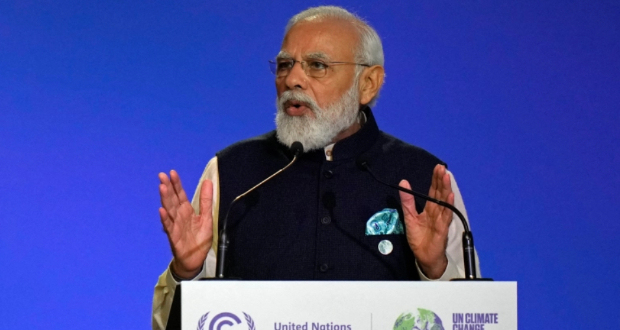
India’s economy will become carbon neutral by the year 2070, the country’s prime minster has announced at the COP26 climate crisis summit in Glasgow. The target date is two decades beyond what scientists say is needed to avert catastrophic climate impacts. India is the last of the world’s major carbon polluters to announce a net-zero target, with China saying it would reach that goal in 2060, and the United States and the European Union aiming for 2050.
COP26: What climate summit means for one woman in Bangladesh

China's carbon emissions are vast and growing, dwarfing those of other countries. Experts agree that without big reductions in China's emissions, the world cannot win the fight against climate change. In 2020, China's President Xi Jinping said his country would aim for its emissions to reach their highest point before 2030 and for carbon neutrality before 2060. His statement has now been confirmed as China's official position ahead of the COP26 global climate summit in Glasgow. But China has not said exactly how these goals will be achieved.
Why China's climate policy matters to us all
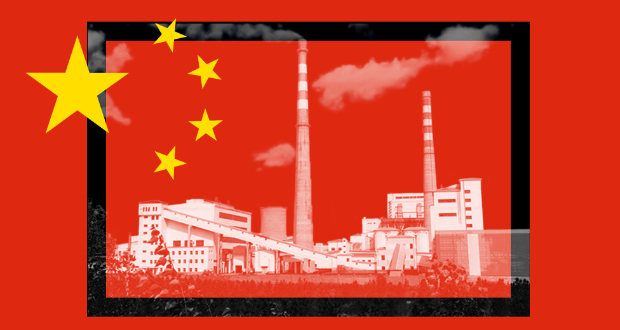
China's carbon emissions are vast and growing, dwarfing those of other countries. Experts agree that without big reductions in China's emissions, the world cannot win the fight against climate change. In 2020, China's President Xi Jinping said his country would aim for its emissions to reach their highest point before 2030 and for carbon neutrality before 2060. His statement has now been confirmed as China's official position ahead of the COP26 global climate summit in Glasgow. But China has not said exactly how these goals will be achieved.
Deliver on promises, developing world tells rich at climate talks

A crucial U.N. conference heard calls on its first day for the world's major economies to keep their promises of financial help to address the climate crisis, while big polluters India and Brazil made new commitments to cut emissions. World leaders, environmental experts and activists all pleaded for decisive action to halt the global warming which threatens the future of the planet at the start of the two-week COP26 summit in the Scottish city of Glasgow on Monday. The task facing negotiators was made even more daunting by the failure of the Group of 20 major industrial nations to agree ambitious new commitments at the weekend.