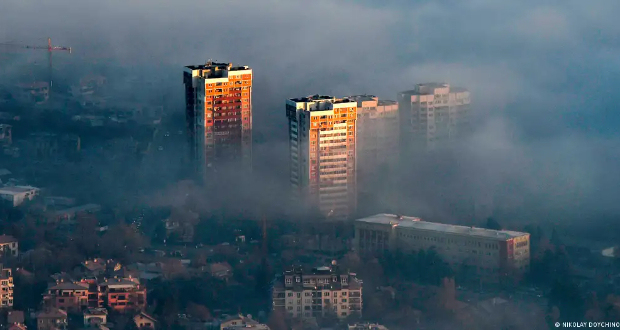
Air pollution: Nearly everyone in Europe breathing bad air
With the EU voting on new air quality rules, satellite data shows that 98% of people face pollution above limits recommended by the World Health Organization.
Virtually everyone in Europe lives in polluted towns and cities where annual average levels of fine particulate matter are higher than the World Health Organization's (WHO) recommended limit.
In practical terms, this means that almost everyone on the continent is breathing bad air that has been shown to be fatal.
Air pollution increases the risk of respiratory and heart disease and lowers life expectancy.
"With the current levels of air pollution, many people [are getting] sick. We know that lowering air pollution levels reduces these numbers," said Mark Nieuwenhuijsen, director of the Barcelona Institute for Global Health (ISGlobal).
How bad is air pollution in Europe?
DW partnered with the European Data Journalism Network to analyze satellite data from the Copernicus Atmospheric Monitoring Service (CAMS).
We found that in 2022, almost everyone in Europe — 98% of people — lived in areas where the concentration of fine particulate matter, commonly abbreviated as PM 2.5, was over the limit set by the WHO.
The WHO recommends that the annual average concentration of fine particulate pollution should not exceed five micrograms per cubic meter of air. A microgram is a thousand times less than a milligram.
Pollution levels differ from region to region in Europe. It can be especially severe in parts of Central Europe, the Po valley in Italy and in larger metropolitan areas, such as Athens, Barcelona and Paris.
Our analysis shows that the most polluted regions in Europe reach annual average PM 2.5 concentrations of about 25 micrograms per cubic meter.
High air pollution levels for individual European cities have been reported before, but this new data analysis offers a first Europe-wide comparison of pollution in different regions. We show where air quality has improved and where it's gotten worse.
We also used the data to identify two places with similar problems but a different outlook. In northern Italy, pollution levels are high and seem to remain so. In southern Poland, they are also high yet appear to be falling. We looked at how mitigation strategies are helping or not.
India targets net-zero carbon emissions by 2070, says Modi
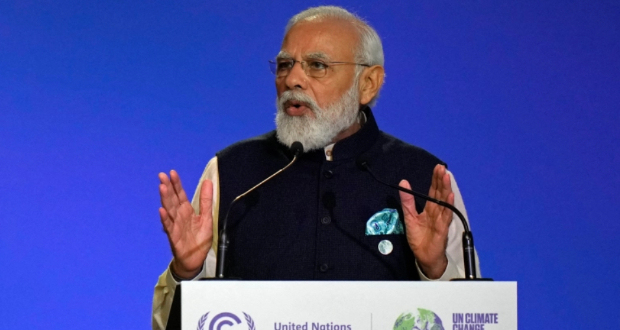
India’s economy will become carbon neutral by the year 2070, the country’s prime minster has announced at the COP26 climate crisis summit in Glasgow. The target date is two decades beyond what scientists say is needed to avert catastrophic climate impacts. India is the last of the world’s major carbon polluters to announce a net-zero target, with China saying it would reach that goal in 2060, and the United States and the European Union aiming for 2050.
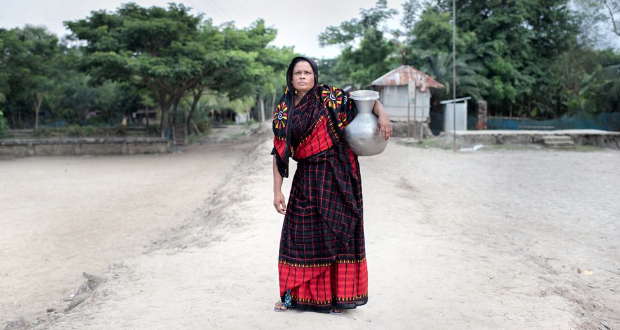
COP26: What climate summit means for one woman in Bangladesh
China's carbon emissions are vast and growing, dwarfing those of other countries. Experts agree that without big reductions in China's emissions, the world cannot win the fight against climate change. In 2020, China's President Xi Jinping said his country would aim for its emissions to reach their highest point before 2030 and for carbon neutrality before 2060. His statement has now been confirmed as China's official position ahead of the COP26 global climate summit in Glasgow. But China has not said exactly how these goals will be achieved.
Why China's climate policy matters to us all
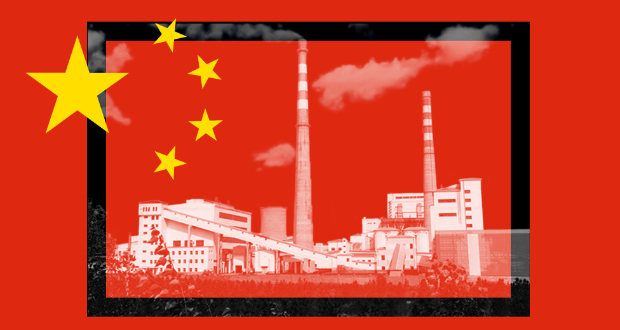
China's carbon emissions are vast and growing, dwarfing those of other countries. Experts agree that without big reductions in China's emissions, the world cannot win the fight against climate change. In 2020, China's President Xi Jinping said his country would aim for its emissions to reach their highest point before 2030 and for carbon neutrality before 2060. His statement has now been confirmed as China's official position ahead of the COP26 global climate summit in Glasgow. But China has not said exactly how these goals will be achieved.
Deliver on promises, developing world tells rich at climate talks

A crucial U.N. conference heard calls on its first day for the world's major economies to keep their promises of financial help to address the climate crisis, while big polluters India and Brazil made new commitments to cut emissions. World leaders, environmental experts and activists all pleaded for decisive action to halt the global warming which threatens the future of the planet at the start of the two-week COP26 summit in the Scottish city of Glasgow on Monday. The task facing negotiators was made even more daunting by the failure of the Group of 20 major industrial nations to agree ambitious new commitments at the weekend.