Global fuel security is the new victim of heatwaves

Searing temperatures from Texas to Tokyo over the summer are the latest reminder of a growing headache for the energy system, as extreme heat becomes a threat to fuel supply.

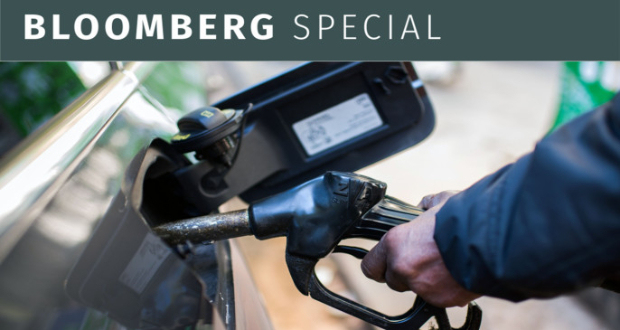
In addition to causing spikes in electricity demand as people fire up air conditioners, the scorching temperatures have led to a spate of disruptions at oil refineries. That's helped keep US gasoline prices elevated and saw diesel cost increases easily outpace those for crude. This summer was particularly gruelling: July was the world's hottest month on record, following the hottest June.

The searing heat led to refiners cut oil processing by at least 2% globally over those two months, according to Macquarie Group. While that might not seem that much, the outages have hit a refining system that's been stretched by years of under-investment and oil product markets that were already tight due to the war in Ukraine.

"The extreme weather conditions we have seen this year really are a big deal," said Ben Luckock, the co-head of oil trading at commodities behemoth Trafigura Group. "The heat has created huge problems for refineries in Europe and America with more outages and problems that are harder to fix," he said in an interview in Singapore this week.

European crude processing dropped by 700,000 barrels a day over the summer from a year earlier, according to an estimate from industry consultant FGE. That's around 6% of regional throughput, based on figures from BP Plc's latest Statistical Review of World Energy.

More than half of the drop was due to the heat, said Steve Sawyer, FGE's director of refining & head of downstream.

Read Full Article:

Share This Article

Related Articles

India targets net-zero carbon emissions by 2070, says Modi

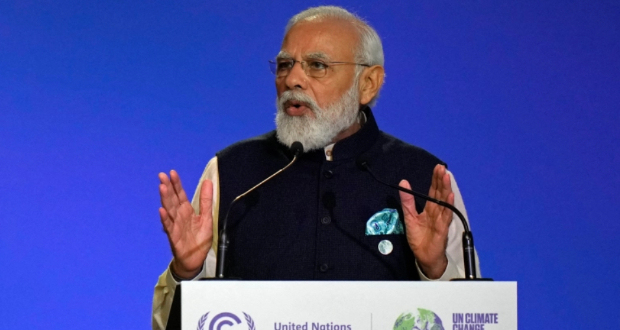
India’s economy will become carbon neutral by the year 2070, the country’s prime minster has announced at the COP26 climate crisis summit in Glasgow. The target date is two decades beyond what scientists say is needed to avert catastrophic climate impacts. India is the last of the world’s major carbon polluters to announce a net-zero target, with China saying it would reach that goal in 2060, and the United States and the European Union aiming for 2050.

COP26: What climate summit means for one woman in Bangladesh

China's carbon emissions are vast and growing, dwarfing those of other countries. Experts agree that without big reductions in China's emissions, the world cannot win the fight against climate change. In 2020, China's President Xi Jinping said his country would aim for its emissions to reach their highest point before 2030 and for carbon neutrality before 2060. His statement has now been confirmed as China's official position ahead of the COP26 global climate summit in Glasgow. But China has not said exactly how these goals will be achieved.

Why China's climate policy matters to us all

China's carbon emissions are vast and growing, dwarfing those of other countries. Experts agree that without big reductions in China's emissions, the world cannot win the fight against climate change. In 2020, China's President Xi Jinping said his country would aim for its emissions to reach their highest point before 2030 and for carbon neutrality before 2060. His statement has now been confirmed as China's official position ahead of the COP26 global climate summit in Glasgow. But China has not said exactly how these goals will be achieved.

Deliver on promises, developing world tells rich at climate talks

A crucial U.N. conference heard calls on its first day for the world's major economies to keep their promises of financial help to address the climate crisis, while big polluters India and Brazil made new commitments to cut emissions. World leaders, environmental experts and activists all pleaded for decisive action to halt the global warming which threatens the future of the planet at the start of the two-week COP26 summit in the Scottish city of Glasgow on Monday. The task facing negotiators was made even more daunting by the failure of the Group of 20 major industrial nations to agree ambitious new commitments at the weekend.