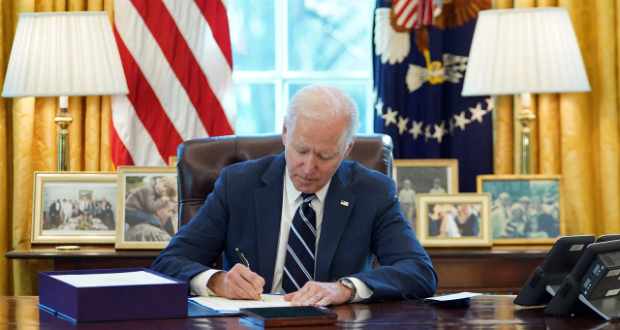
Biden’s ambitious efforts to strengthen the social safety net are fraying
For a few fleeting months in 2021, it looked like President Joe Biden was making great strides in his promise to even the playing field for more Americans.
Even before his inauguration, he laid out a $1.9 trillion vision that called for bigger stimulus checks, and more aid for the unemployed, the hungry, and small businesses. As part of his American Rescue Plan proposal, Biden wanted to increase the child tax credit and make it available to lower-income families, as well as help make child care more affordable. And he called for greatly expanding subsidies for Affordable Care Act plans and reinstating pandemic-paid sick and family leave benefits.
With the Democrats in control of both chambers and the White House, Biden felt he could push for big steps he said were needed to address immediate needs. But it also would put in place – if even temporarily – many unprecedented social supports that party leaders had been trying to institute for years and might, they hoped, be hard to unravel.
In mid-March of that year, Biden signed the $1.9 trillion American Rescue Plan Act that mirrored much of what he had proposed with a few notable changes, including leaving out the paid sick and family leave provision and an increase in the federal minimum wage to $15 an hour.
“This plan is historic,” he said that month. “Taken altogether, this plan is going to make it possible to cut child poverty in half. Let me say that again – it’s significant, historic. It will cut child poverty in half.”
And it did – for a year.
On Tuesday, the Census Bureau reported that the child poverty rate skyrocketed from a record low 5.2% in 2021, when families were receiving the enhanced child tax credit and third round of stimulus checks, to 12.4% last year. What’s more, the share of children in poverty is roughly back to where it was prior to the pandemic in 2019, based on a broader alternative measure developed by the Census Bureau. It was the largest jump in child poverty since the Supplemental Poverty Measure began in 2009.
Overall, the supplemental poverty rate was 12.4% last year, up from 7.8% last year and higher than it was prior to the pandemic. It’s the first increase in the rate since 2010.
Temporary measures and internal resistance
Although the federal government spent a record amount of money in 2020 and 2021 to help the nation contend with the Covid-19 pandemic, there were limits. The hefty price tag of the Democrats’ ambitions forced them to make many of their measures temporary – notably the enhancement to the child tax credit, which boosted payments to as much as $3,600 per kid and made more low-income parents eligible.
The cost and concerns about swiftly rising inflation ultimately cratered the party’s attempt in the fall of 2021 to push through Congress a sweeping $3.5 trillion package that would have massively broadened the nation’s safety net as envisioned in Biden’s jobs and families proposals. It would have established a universal Pre-K program, further boost support for child care, make community college tuition-free for two years, create the first federal paid and medical leave benefit and extend the expansion of the child tax credit and other credits.
India targets net-zero carbon emissions by 2070, says Modi
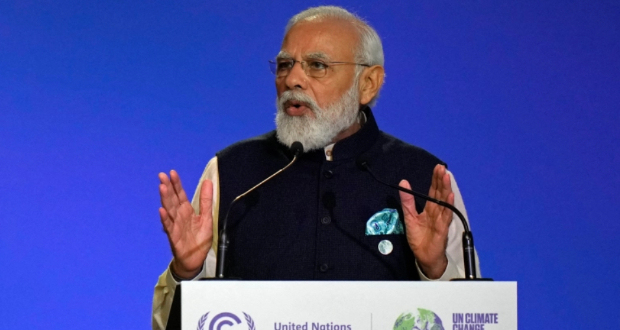
India’s economy will become carbon neutral by the year 2070, the country’s prime minster has announced at the COP26 climate crisis summit in Glasgow. The target date is two decades beyond what scientists say is needed to avert catastrophic climate impacts. India is the last of the world’s major carbon polluters to announce a net-zero target, with China saying it would reach that goal in 2060, and the United States and the European Union aiming for 2050.
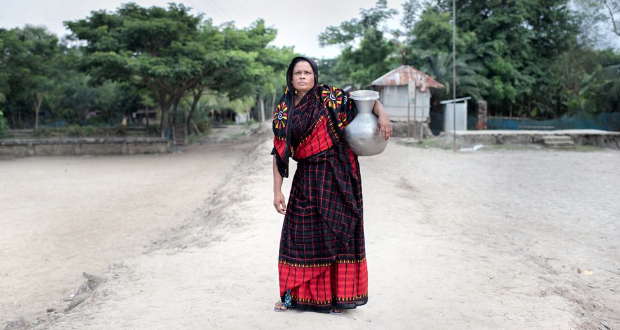
COP26: What climate summit means for one woman in Bangladesh
China's carbon emissions are vast and growing, dwarfing those of other countries. Experts agree that without big reductions in China's emissions, the world cannot win the fight against climate change. In 2020, China's President Xi Jinping said his country would aim for its emissions to reach their highest point before 2030 and for carbon neutrality before 2060. His statement has now been confirmed as China's official position ahead of the COP26 global climate summit in Glasgow. But China has not said exactly how these goals will be achieved.
Why China's climate policy matters to us all
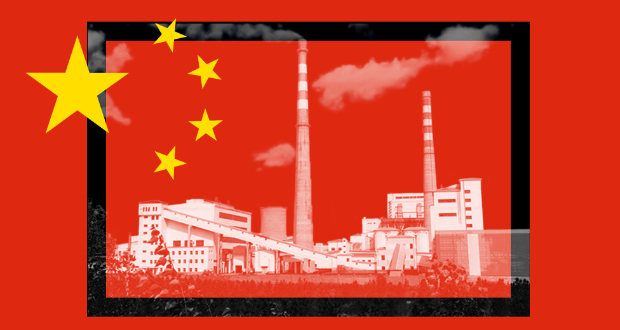
China's carbon emissions are vast and growing, dwarfing those of other countries. Experts agree that without big reductions in China's emissions, the world cannot win the fight against climate change. In 2020, China's President Xi Jinping said his country would aim for its emissions to reach their highest point before 2030 and for carbon neutrality before 2060. His statement has now been confirmed as China's official position ahead of the COP26 global climate summit in Glasgow. But China has not said exactly how these goals will be achieved.
Deliver on promises, developing world tells rich at climate talks

A crucial U.N. conference heard calls on its first day for the world's major economies to keep their promises of financial help to address the climate crisis, while big polluters India and Brazil made new commitments to cut emissions. World leaders, environmental experts and activists all pleaded for decisive action to halt the global warming which threatens the future of the planet at the start of the two-week COP26 summit in the Scottish city of Glasgow on Monday. The task facing negotiators was made even more daunting by the failure of the Group of 20 major industrial nations to agree ambitious new commitments at the weekend.