
Economic zones to come under eco-friendly performance rating
The Bangladesh Economic Zone Authority (Beza) is set to classify the country's economic zones into bronze, silver, gold, and platinum tiers, aligning with international standards to enhance the environmental sustainability of the production process.
The initiative has been undertaken with a focus on meeting the demand for environmentally friendly production in the global market and attracting future investments.
The government is in the process of developing a guideline called the Green and Resilient Economic Zone (GREZ) for this purpose.
On Monday, an event was held at a hotel in the capital to introduce the draft guideline to government stakeholders and representatives from the economic zones.
As per the draft guidelines, economic zones will be categorised into bronze, silver, gold, and platinum tiers, evaluating their environmental, social, economic, and management performance.
This marks the first initiative aimed at categorising the country's economic zones as environmentally friendly on a local level.
Currently, companies engaged in exports in Bangladesh, particularly those in the garment and textile sector, receive LEED (Leadership in Energy and Environmental Design) certificates from the United States Green Building Council (USGBC) in recognition of their environmentally friendly practices. There are over 200 LEED-certified factories in the country.
According to Beza data, the government has launched 100 economic zones, with 92 of them receiving approval. Industrial production has commenced in 12 of these economic zones, while infrastructure development is underway in 32 others.
Beza sources said pilot activities for environmental categorisation will commence in three economic zones, with Bangabandhu Sheikh Mujib Shilpa Nagar in Mirsarai, Chattogram, and Meghna Industrial Economic Zone in Sonargaon, Narayanganj, among the selected locations.
Abdullah Al Mahmud Faruk, project director of Bangabandhu Sheikh Mujib Shilpa Nagar, told The Business Standard, "The draft guideline will be sent to the Prime Minister's Office soon. We hope to finalise it and start operations within the next two to three months if we get approval from there."
He said, "Presently, there are 450 environmentally rated economic zones worldwide. If we can designate our economic zones as environmentally friendly through this rating system, it will have a positive impact on global exports and open up opportunities for increased investment in our country."
India targets net-zero carbon emissions by 2070, says Modi
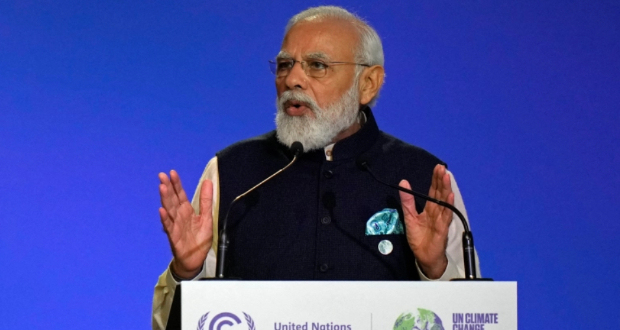
India’s economy will become carbon neutral by the year 2070, the country’s prime minster has announced at the COP26 climate crisis summit in Glasgow. The target date is two decades beyond what scientists say is needed to avert catastrophic climate impacts. India is the last of the world’s major carbon polluters to announce a net-zero target, with China saying it would reach that goal in 2060, and the United States and the European Union aiming for 2050.
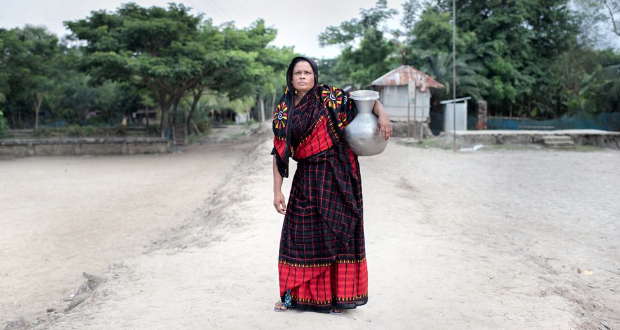
COP26: What climate summit means for one woman in Bangladesh
China's carbon emissions are vast and growing, dwarfing those of other countries. Experts agree that without big reductions in China's emissions, the world cannot win the fight against climate change. In 2020, China's President Xi Jinping said his country would aim for its emissions to reach their highest point before 2030 and for carbon neutrality before 2060. His statement has now been confirmed as China's official position ahead of the COP26 global climate summit in Glasgow. But China has not said exactly how these goals will be achieved.
Why China's climate policy matters to us all
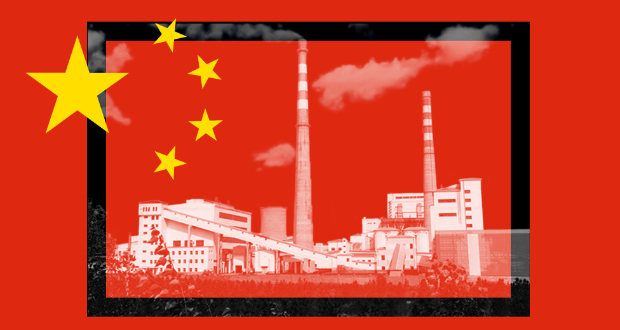
China's carbon emissions are vast and growing, dwarfing those of other countries. Experts agree that without big reductions in China's emissions, the world cannot win the fight against climate change. In 2020, China's President Xi Jinping said his country would aim for its emissions to reach their highest point before 2030 and for carbon neutrality before 2060. His statement has now been confirmed as China's official position ahead of the COP26 global climate summit in Glasgow. But China has not said exactly how these goals will be achieved.
Deliver on promises, developing world tells rich at climate talks

A crucial U.N. conference heard calls on its first day for the world's major economies to keep their promises of financial help to address the climate crisis, while big polluters India and Brazil made new commitments to cut emissions. World leaders, environmental experts and activists all pleaded for decisive action to halt the global warming which threatens the future of the planet at the start of the two-week COP26 summit in the Scottish city of Glasgow on Monday. The task facing negotiators was made even more daunting by the failure of the Group of 20 major industrial nations to agree ambitious new commitments at the weekend.