![Ukraine's President Volodymyr Zelenskiy poses for a picture with service members as he visits a position of Ukrainian troops in a front line [Ukrainian Presidential Press Service via Reuters]](/Uploads/Images/News/2023/10/Image-1978-20231005070718.jpeg)
As Russia’s war grinds on, is global support for Ukraine waning?
On Sunday, Slovakia’s former Prime Minister Robert Fico, a left-wing populist, won parliamentary elections with his SMER-SSD party, having campaigned on a promise to withdraw military support for Ukraine and stop sanctioning Russia.
It sent a worrying signal to Kyiv, which in recent weeks has been rowing with one of its staunchest allies, Poland, over the issue of Ukrainian grain imports, while watching on as US Republican lawmakers threaten to scupper a new aid deal.
These developments have stirred talk of a global shift in sentiment towards supporting Ukraine as the war grinds on, more than a year and a half after it began.
According to Teona Lavrelashvili, an analyst at the European Politics Centre, they could signal that several allies are ready for a “pragmatic solution” to the end of the war,.
But Kyiv will be “worried but not panicking” by the growing sense that some traditional allies have “fallen out of step”, said Sean Hanley, an associate professor in Comparative Central and East European Politics at University College London.

Fico still needs to form a coalition, but the pro-Kremlin, anti-Kyiv rhetoric that saw his party win marked a significant departure from Slovakia’s position since the start of the war. As recently as April, Slovak President Zuzana Caputova travelled to Kyiv in what had been a then-routine show of support.
Hanley told Al Jazeera that Kyiv will likely be concerned about the Slovak pivot towards Russia because it signals that “Ukraine fatigue” is setting in among allies, while fears of Slovakia’s military aid potentially being cut are less worrying.
Even so, pro-Kremlin sentiment in Slovakian politics, Hanley said, is not as widespread as in countries such as Serbia or Bulgaria.
Instead, you see more “Ukraine-sceptic” views that prioritise national interests over international causes, as populist illiberal trends challenge “the idea that you’ve got to emulate the West”.
India targets net-zero carbon emissions by 2070, says Modi
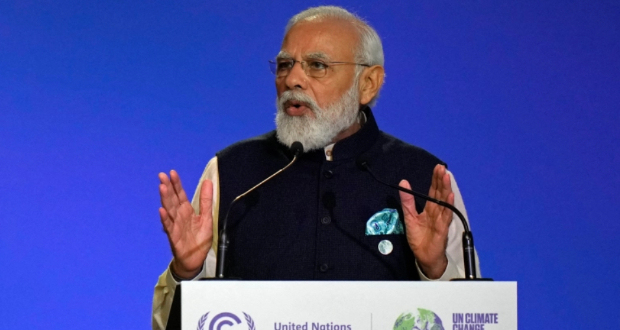
India’s economy will become carbon neutral by the year 2070, the country’s prime minster has announced at the COP26 climate crisis summit in Glasgow. The target date is two decades beyond what scientists say is needed to avert catastrophic climate impacts. India is the last of the world’s major carbon polluters to announce a net-zero target, with China saying it would reach that goal in 2060, and the United States and the European Union aiming for 2050.
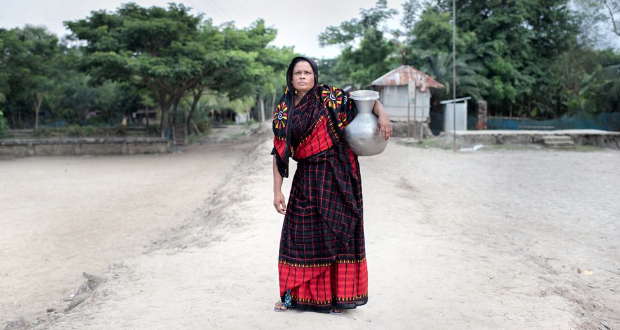
COP26: What climate summit means for one woman in Bangladesh
China's carbon emissions are vast and growing, dwarfing those of other countries. Experts agree that without big reductions in China's emissions, the world cannot win the fight against climate change. In 2020, China's President Xi Jinping said his country would aim for its emissions to reach their highest point before 2030 and for carbon neutrality before 2060. His statement has now been confirmed as China's official position ahead of the COP26 global climate summit in Glasgow. But China has not said exactly how these goals will be achieved.
Why China's climate policy matters to us all
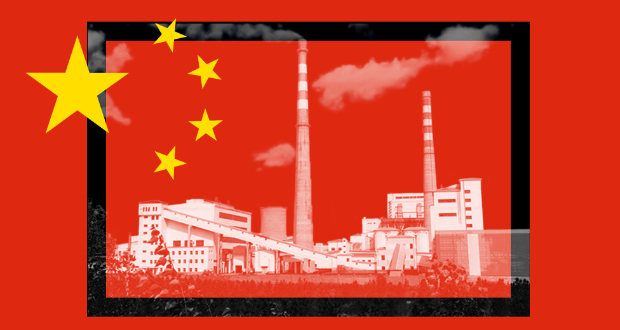
China's carbon emissions are vast and growing, dwarfing those of other countries. Experts agree that without big reductions in China's emissions, the world cannot win the fight against climate change. In 2020, China's President Xi Jinping said his country would aim for its emissions to reach their highest point before 2030 and for carbon neutrality before 2060. His statement has now been confirmed as China's official position ahead of the COP26 global climate summit in Glasgow. But China has not said exactly how these goals will be achieved.
Deliver on promises, developing world tells rich at climate talks

A crucial U.N. conference heard calls on its first day for the world's major economies to keep their promises of financial help to address the climate crisis, while big polluters India and Brazil made new commitments to cut emissions. World leaders, environmental experts and activists all pleaded for decisive action to halt the global warming which threatens the future of the planet at the start of the two-week COP26 summit in the Scottish city of Glasgow on Monday. The task facing negotiators was made even more daunting by the failure of the Group of 20 major industrial nations to agree ambitious new commitments at the weekend.