Tepco starts releasing second batch of treated radioactive water from Fukushima nuclear plant

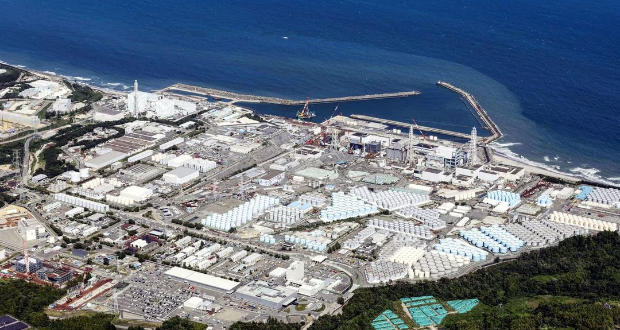
An aerial view shows the Fukushima Daiichi nuclear power plant, which started releasing treated radioactive water into the Pacific Ocean, in Okuma town, Fukushima prefecture, Japan August 24, 2023, in this photo taken by Kyodo. Kyodo/via REUTERS/File Photo

Tokyo Electric Power Company (9501.T) (Tepco) started releasing more treated radioactive water from the wrecked Fukushima Daiichi Nuclear Power Plant on Thursday morning, continuing a move that has caused tensions between China and Japan.

The release will last for about 17 days starting Thursday, during which some 7,800 cubic metres of wastewater will be released into the Pacific Ocean.

Nuclear authorities, including the United Nations nuclear watchdog, have said the plan will have a negligible impact on humans and the environment, but it has still angered some neighbours, especially China.

The initial release of the water in late August triggered a blanket ban on Japanese seafood products by China and a deluge of harassment calls to businesses and offices, believed to originate from China.

Junichi Matsumoto, who is overseeing the water release at Tepco, said on Wednesday during a news conference that Tepco had received more than 6,000 calls from abroad between August 24-27. Many appeared to originate from China, but Tepco did not track the exact number of such calls.

Japan started the water discharge in August in a key step towards decommissioning the Fukushima plant, which suffered meltdowns after being hit by a tsunami in 2011 in the world's worst nuclear plant disaster since Chernobyl 25 years earlier.

Japan says the water is treated to remove most radioactive elements except tritium, a hydrogen isotope that must be diluted because it is difficult to filter.

Read Full Article:

Share This Article

Related Articles

India targets net-zero carbon emissions by 2070, says Modi

India’s economy will become carbon neutral by the year 2070, the country’s prime minster has announced at the COP26 climate crisis summit in Glasgow. The target date is two decades beyond what scientists say is needed to avert catastrophic climate impacts. India is the last of the world’s major carbon polluters to announce a net-zero target, with China saying it would reach that goal in 2060, and the United States and the European Union aiming for 2050.

COP26: What climate summit means for one woman in Bangladesh

China's carbon emissions are vast and growing, dwarfing those of other countries. Experts agree that without big reductions in China's emissions, the world cannot win the fight against climate change. In 2020, China's President Xi Jinping said his country would aim for its emissions to reach their highest point before 2030 and for carbon neutrality before 2060. His statement has now been confirmed as China's official position ahead of the COP26 global climate summit in Glasgow. But China has not said exactly how these goals will be achieved.

Why China's climate policy matters to us all

China's carbon emissions are vast and growing, dwarfing those of other countries. Experts agree that without big reductions in China's emissions, the world cannot win the fight against climate change. In 2020, China's President Xi Jinping said his country would aim for its emissions to reach their highest point before 2030 and for carbon neutrality before 2060. His statement has now been confirmed as China's official position ahead of the COP26 global climate summit in Glasgow. But China has not said exactly how these goals will be achieved.

Deliver on promises, developing world tells rich at climate talks

A crucial U.N. conference heard calls on its first day for the world's major economies to keep their promises of financial help to address the climate crisis, while big polluters India and Brazil made new commitments to cut emissions. World leaders, environmental experts and activists all pleaded for decisive action to halt the global warming which threatens the future of the planet at the start of the two-week COP26 summit in the Scottish city of Glasgow on Monday. The task facing negotiators was made even more daunting by the failure of the Group of 20 major industrial nations to agree ambitious new commitments at the weekend.