Biden cannot escape Trump's shadow in border crisis
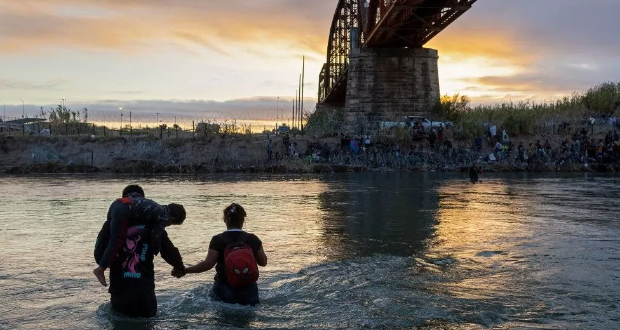
The recent surge of migrants crossing the US-Mexico border has put President Joe Biden in a difficult, politically threatening bind.
State and local Democratic leaders who should be among his closest allies heading into next year's presidential election are harshly criticising his handling of immigration. His probable 2024 Republican opponent, Donald Trump, is sharpening his attacks on an issue that has been a central part of his political message for almost a decade. And public support for Mr Biden on the situation is souring.
While voting is still more than a year away, the growing immigration crisis - whose effects are being felt thousands of miles from the US-Mexico border in part because Republican governors have been sending newly arrived migrants to Democratic-run cities - could be a daunting political drag on Mr Biden's popularity and his re-election hopes.
The numbers paint a darkening picture. According to preliminary US Department of Homeland Security figures obtained by BBC partner CBS News, US Border Patrol apprehended approximately 210,000 undocumented migrants entering the US during the month of September. That is the highest mark of the year, and comes close to matching the record peak monthly apprehensions of late 2022.
If the Biden administration thought the crisis at the border was easing and the national spotlight was moving to other issues after government policy changes earlier this year, the latest increase should dispel that notion.
What's more, the nature of the immigrant surge suggests there may be no end in sight. Roughly a quarter of the border apprehensions last month were citizens of Venezuela, the South American nation that has been struggling through political and economic hardship under the socialist dictatorship of Nicolas Maduro.
The Venezuelan exodus has created a hemispheric refugee crisis, with more than seven million fleeing the country - and the consequences are being increasingly felt on US soil.
More than 150,000 Venezuelans have headed north toward the US, across the Darian Gap into Central America, in the past two months, according to the government of Panama.
"People don't pick up and leave their homes just for the heck of it," Janet Napolitano, head of homeland security during the Obama administration, told the BBC. "They're usually in desperate straits - poverty, joblessness, high crime, violence, lack of civil institutions in their countries of origin."
India targets net-zero carbon emissions by 2070, says Modi
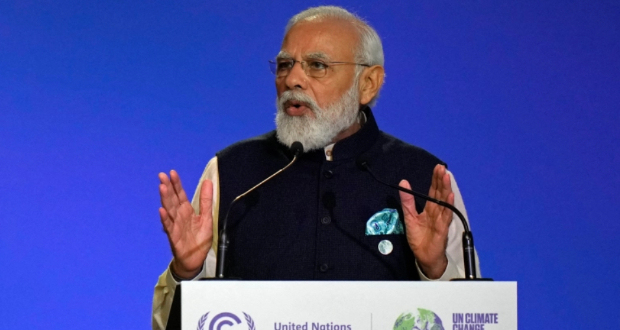
India’s economy will become carbon neutral by the year 2070, the country’s prime minster has announced at the COP26 climate crisis summit in Glasgow. The target date is two decades beyond what scientists say is needed to avert catastrophic climate impacts. India is the last of the world’s major carbon polluters to announce a net-zero target, with China saying it would reach that goal in 2060, and the United States and the European Union aiming for 2050.
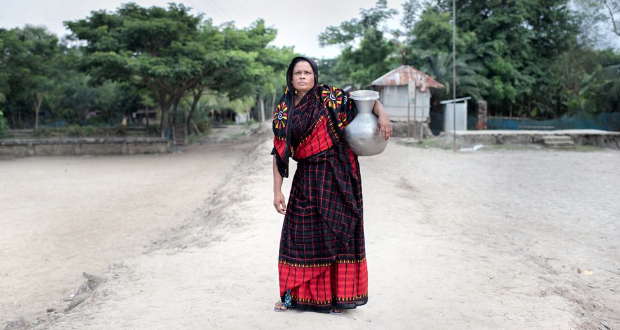
COP26: What climate summit means for one woman in Bangladesh
China's carbon emissions are vast and growing, dwarfing those of other countries. Experts agree that without big reductions in China's emissions, the world cannot win the fight against climate change. In 2020, China's President Xi Jinping said his country would aim for its emissions to reach their highest point before 2030 and for carbon neutrality before 2060. His statement has now been confirmed as China's official position ahead of the COP26 global climate summit in Glasgow. But China has not said exactly how these goals will be achieved.
Why China's climate policy matters to us all
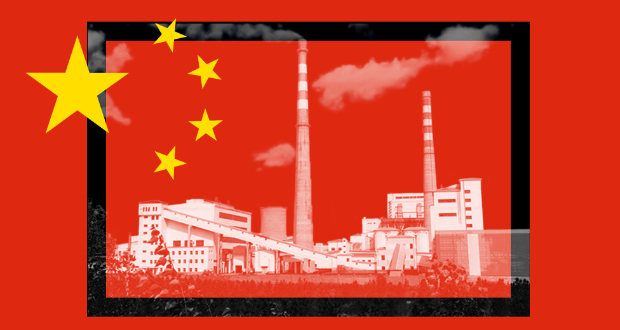
China's carbon emissions are vast and growing, dwarfing those of other countries. Experts agree that without big reductions in China's emissions, the world cannot win the fight against climate change. In 2020, China's President Xi Jinping said his country would aim for its emissions to reach their highest point before 2030 and for carbon neutrality before 2060. His statement has now been confirmed as China's official position ahead of the COP26 global climate summit in Glasgow. But China has not said exactly how these goals will be achieved.
Deliver on promises, developing world tells rich at climate talks

A crucial U.N. conference heard calls on its first day for the world's major economies to keep their promises of financial help to address the climate crisis, while big polluters India and Brazil made new commitments to cut emissions. World leaders, environmental experts and activists all pleaded for decisive action to halt the global warming which threatens the future of the planet at the start of the two-week COP26 summit in the Scottish city of Glasgow on Monday. The task facing negotiators was made even more daunting by the failure of the Group of 20 major industrial nations to agree ambitious new commitments at the weekend.