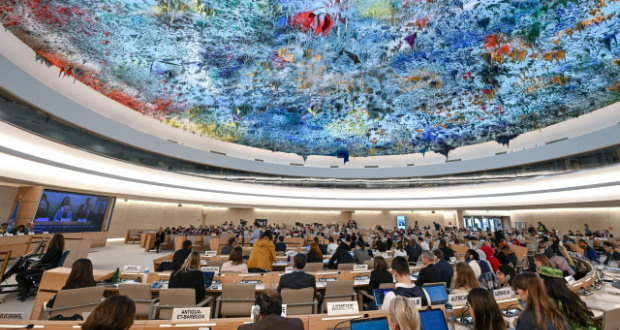
Russia says it deserves a seat on the UN Human Rights Council. It may have a shot
Russia is campaigning for a return to the United Nations’ Human Rights Council – after being suspended just last year for invading Ukraine. Will the rest of the world vote on Tuesday to reinstate it?
Russia’s war in Ukraine war is still grinding on, and several UN human rights investigations have accused Moscow of committing human rights abuses. The International Criminal Court has even issued an arrest warrant for Russian President Vladimir Putin over the deportations of Ukrainian children.
Nevertheless, the Kremlin is hoping that enough countries in the world are ready to move on, for one reason or another.
As support for Ukraine wanes in some US political corners, the outcome of the Human Rights Council vote will offer fresh insight into how the wider world feels now about Russia – and how many countries may be willing to overlook its actions in Ukraine.
The vote is expected to begin on Tuesday morning inside the UN General Assembly in New York, where delegates from all 193 member states sit and do business.
The Human Rights Council is made up of 47 member states, distributed by geographic region and elected by fellow nations. On Tuesday, three countries will be vying for two seats for the Eastern European bloc: Russia is running against Albania and Bulgaria.
In theory, voting takes into account the candidate’ human rights records and commitments. But the ballot is secret, which makes it easy for nations to send their own messages. Some might approve Russia just to send a message to the US about its big power behavior. Other nations need the Kremlin to be generous with food and grain.
India targets net-zero carbon emissions by 2070, says Modi
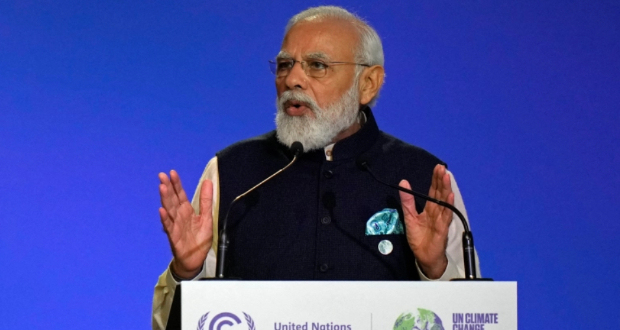
India’s economy will become carbon neutral by the year 2070, the country’s prime minster has announced at the COP26 climate crisis summit in Glasgow. The target date is two decades beyond what scientists say is needed to avert catastrophic climate impacts. India is the last of the world’s major carbon polluters to announce a net-zero target, with China saying it would reach that goal in 2060, and the United States and the European Union aiming for 2050.
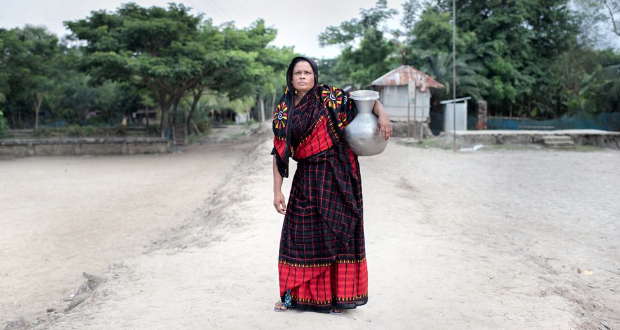
COP26: What climate summit means for one woman in Bangladesh
China's carbon emissions are vast and growing, dwarfing those of other countries. Experts agree that without big reductions in China's emissions, the world cannot win the fight against climate change. In 2020, China's President Xi Jinping said his country would aim for its emissions to reach their highest point before 2030 and for carbon neutrality before 2060. His statement has now been confirmed as China's official position ahead of the COP26 global climate summit in Glasgow. But China has not said exactly how these goals will be achieved.
Why China's climate policy matters to us all
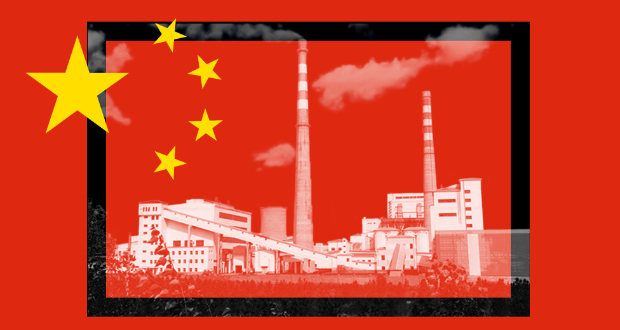
China's carbon emissions are vast and growing, dwarfing those of other countries. Experts agree that without big reductions in China's emissions, the world cannot win the fight against climate change. In 2020, China's President Xi Jinping said his country would aim for its emissions to reach their highest point before 2030 and for carbon neutrality before 2060. His statement has now been confirmed as China's official position ahead of the COP26 global climate summit in Glasgow. But China has not said exactly how these goals will be achieved.
Deliver on promises, developing world tells rich at climate talks

A crucial U.N. conference heard calls on its first day for the world's major economies to keep their promises of financial help to address the climate crisis, while big polluters India and Brazil made new commitments to cut emissions. World leaders, environmental experts and activists all pleaded for decisive action to halt the global warming which threatens the future of the planet at the start of the two-week COP26 summit in the Scottish city of Glasgow on Monday. The task facing negotiators was made even more daunting by the failure of the Group of 20 major industrial nations to agree ambitious new commitments at the weekend.