![The Myanmar military has been accused of human rights violations going back years [File: Lynn Bo bo/Pool via AFP]](/Uploads/Images/News/2023/11/Image-2032-20231101111138.jpeg)
Myanmar military’s human rights abuses a ‘system exercised from the top’
Early one morning in March, a group of Myanmar soldiers marched into a village in the country’s east near the border with Thailand.
They had been engaged in days of intense fighting with armed groups opposed to the February 2021 coup – in which the military deposed Aung San Suu Kyi and other democratically elected leaders and took power – subjecting the area to intense shelling and aerial bombardment.
Many of the people of Nam Neang village had taken refuge in the surrounding jungle but 18 had sought sanctuary with three monks in the temple, according to the Shan Human Rights Foundation.
On March 11, the soldiers surrounded the temple and demanded those inside come out.
They “shot them dead … took photos of the corpses and shared the photos on social media”, said the foundation, adding that the soldiers claimed to have killed anti-coup fighters.
The incident, a crime under international law, is only one of a number of abuses to have taken place by troops under the command of Lieutenant-General Aung Aung, according to research released on Wednesday by Security Force Monitor (SFM), a project of the Columbia Law Human Rights Institute in the United States.
The study, Under Whose Command?, covers a period of 12 years until March 30, 2023 and sheds new light on Myanmar’s notoriously secretive military – revealing the links between low-level soldiers accused of human rights abuses against civilians and their commanding officers and beyond.
“In many areas of the country, almost every single person who ever held command had disappearances, killings, rape or instances of torture allegedly committed by units under their command,” the report said. “This is particularly true in areas of longstanding conflict and concern for human rights abuses.”
India targets net-zero carbon emissions by 2070, says Modi
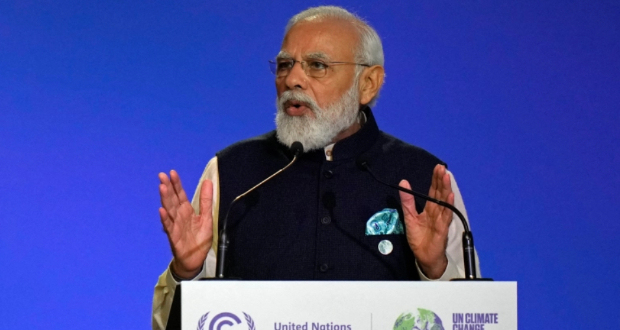
India’s economy will become carbon neutral by the year 2070, the country’s prime minster has announced at the COP26 climate crisis summit in Glasgow. The target date is two decades beyond what scientists say is needed to avert catastrophic climate impacts. India is the last of the world’s major carbon polluters to announce a net-zero target, with China saying it would reach that goal in 2060, and the United States and the European Union aiming for 2050.
COP26: What climate summit means for one woman in Bangladesh
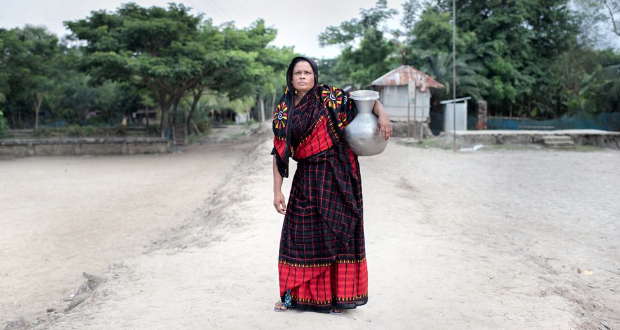
China's carbon emissions are vast and growing, dwarfing those of other countries. Experts agree that without big reductions in China's emissions, the world cannot win the fight against climate change. In 2020, China's President Xi Jinping said his country would aim for its emissions to reach their highest point before 2030 and for carbon neutrality before 2060. His statement has now been confirmed as China's official position ahead of the COP26 global climate summit in Glasgow. But China has not said exactly how these goals will be achieved.
Why China's climate policy matters to us all
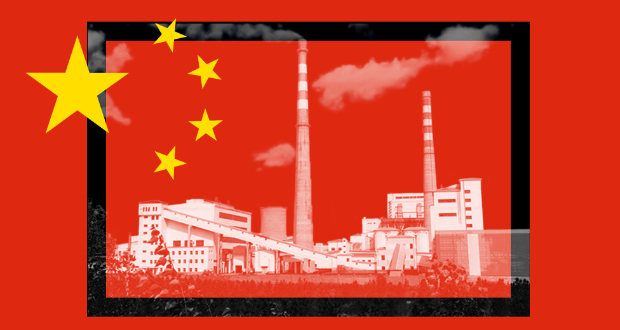
China's carbon emissions are vast and growing, dwarfing those of other countries. Experts agree that without big reductions in China's emissions, the world cannot win the fight against climate change. In 2020, China's President Xi Jinping said his country would aim for its emissions to reach their highest point before 2030 and for carbon neutrality before 2060. His statement has now been confirmed as China's official position ahead of the COP26 global climate summit in Glasgow. But China has not said exactly how these goals will be achieved.
Deliver on promises, developing world tells rich at climate talks

A crucial U.N. conference heard calls on its first day for the world's major economies to keep their promises of financial help to address the climate crisis, while big polluters India and Brazil made new commitments to cut emissions. World leaders, environmental experts and activists all pleaded for decisive action to halt the global warming which threatens the future of the planet at the start of the two-week COP26 summit in the Scottish city of Glasgow on Monday. The task facing negotiators was made even more daunting by the failure of the Group of 20 major industrial nations to agree ambitious new commitments at the weekend.