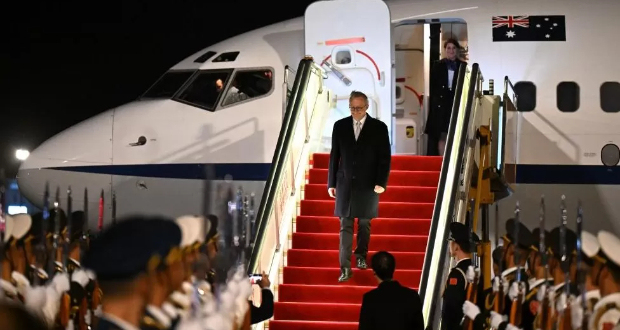
Australian PM Albanese to meet Xi Jinping in long-awaited China visit
Australian PM Anthony Albanese and Chinese President Xi Jinping will soon sit down for a drought-breaking bilateral meeting in Beijing.
Mr Albanese, who landed in Shanghai on Saturday, is the first Australian leader to visit China since 2016.
The visit is seen as a key moment in thawing relations, after a string of trade and security disputes.
Trade will top the agenda - Mr Albanese is calling for the removal of Chinese tariffs on Australian goods.
Mr Xi is expected to ask for more access to key Australian sectors.
"What I've said is that we need to cooperate with China where we can, disagree where we must and engage in our national interest," Mr Albanese told reporters in Beijing on Monday, ahead of the meeting.
His trip follows a diplomatic deep freeze prompted by - among other things - Australia's calls for an investigation into the origins of Covid-19, and economic sanctions enacted by Beijing on key Australian exports such as beef, wine, and barley.
It also coincides with the 50-year anniversary of Gough Whitlam's iconic visit to China to visit Mao Zedong in 1973, marking the first trip by an Australian prime minister after the establishment of diplomatic ties.
But a list of sticking points and security concerns will hang over Monday's talks.
Australian writer Yang Hengjun - whose health is said to be rapidly deteriorating - has been imprisoned in China on espionage charges since 2019, and Mr Albanese is facing pressure at home to secure his release.
India targets net-zero carbon emissions by 2070, says Modi
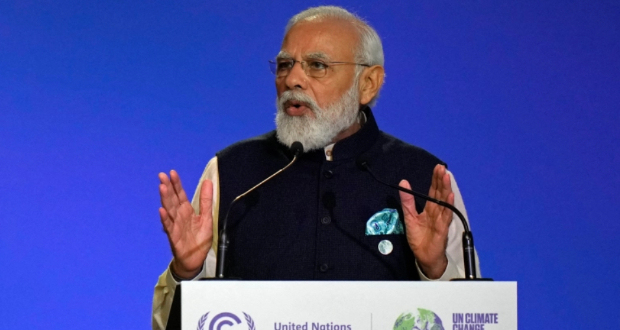
India’s economy will become carbon neutral by the year 2070, the country’s prime minster has announced at the COP26 climate crisis summit in Glasgow. The target date is two decades beyond what scientists say is needed to avert catastrophic climate impacts. India is the last of the world’s major carbon polluters to announce a net-zero target, with China saying it would reach that goal in 2060, and the United States and the European Union aiming for 2050.
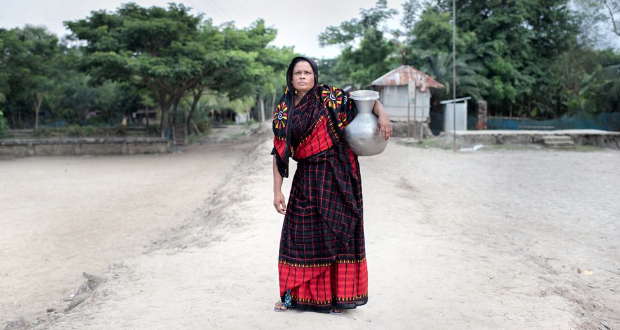
COP26: What climate summit means for one woman in Bangladesh
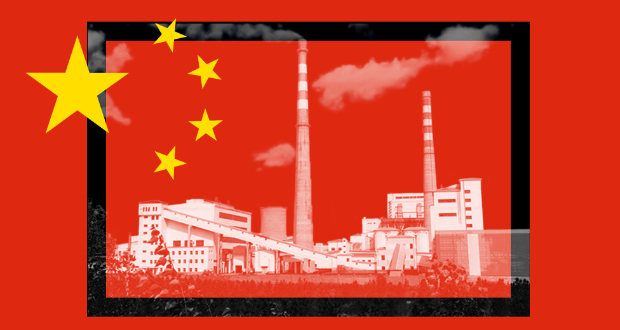
China's carbon emissions are vast and growing, dwarfing those of other countries. Experts agree that without big reductions in China's emissions, the world cannot win the fight against climate change. In 2020, China's President Xi Jinping said his country would aim for its emissions to reach their highest point before 2030 and for carbon neutrality before 2060. His statement has now been confirmed as China's official position ahead of the COP26 global climate summit in Glasgow. But China has not said exactly how these goals will be achieved.
Why China's climate policy matters to us all
China's carbon emissions are vast and growing, dwarfing those of other countries. Experts agree that without big reductions in China's emissions, the world cannot win the fight against climate change. In 2020, China's President Xi Jinping said his country would aim for its emissions to reach their highest point before 2030 and for carbon neutrality before 2060. His statement has now been confirmed as China's official position ahead of the COP26 global climate summit in Glasgow. But China has not said exactly how these goals will be achieved.
Deliver on promises, developing world tells rich at climate talks

A crucial U.N. conference heard calls on its first day for the world's major economies to keep their promises of financial help to address the climate crisis, while big polluters India and Brazil made new commitments to cut emissions. World leaders, environmental experts and activists all pleaded for decisive action to halt the global warming which threatens the future of the planet at the start of the two-week COP26 summit in the Scottish city of Glasgow on Monday. The task facing negotiators was made even more daunting by the failure of the Group of 20 major industrial nations to agree ambitious new commitments at the weekend.