![Tehran opposes US hegemony in the Middle East while Israel has consistently pushed back against efforts to bring American troops home from the region. [Getty Images]](/Uploads/Images/News/2023/11/Image-2046-20231107062610.jpeg)
Iran and Israel: From allies to archenemies, how did they get here?
Iran has emerged as one of the most strident voices against the brutal Israeli bombardment of Gaza. And that’s in line with its staunch anti-Israel foreign policy. The two Middle Eastern nations are often described as archenemies.
The Palestinian issue has been at the centre of the hostilities for decades, and Tehran has been warning Israel and its closest ally, the United States, that the war with Hamas could spread as Tel Aviv has escalated attacks beyond Gaza. Israel has bombed positions in Lebanon and Syria, two countries where Tehran wields considerable influence.
Here’s a quick look at the history of relations between Iran and Israel, and where things stand now.
How did relations between modern-day Iran and Israel begin?
Under the Pahlavi dynasty, which ruled from 1925 until it was overthrown in the 1979 revolution, ties between Iran and Israel were anything but hostile. Iran was, in fact, the second Muslim-majority country to recognise Israel after it was founded in 1948.
Iran was one of the 11 members of the special United Nations committee that was formed in 1947 to devise a solution for Palestine after the British control of the territory ended. It was one of three to vote against the UN’s partition plan for Palestine, centred on concerns that it would escalate violence in the region for generations to come.
“Iran, alongside India and Yugoslavia, came up with an alternative plan, a federative solution which was about keeping Palestine as one state with one parliament but divided into Arab and Jewish cantons,” University of Oxford historian Eirik Kvindesland told Al Jazeera.
“That was Iran’s compromise to try to maintain positive relations with a pro-Zionist West and the Zionist movement itself, and also with its Arab and Muslim neighbouring countries.”
India targets net-zero carbon emissions by 2070, says Modi
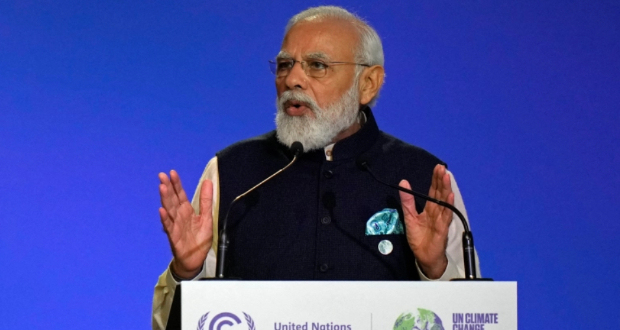
India’s economy will become carbon neutral by the year 2070, the country’s prime minster has announced at the COP26 climate crisis summit in Glasgow. The target date is two decades beyond what scientists say is needed to avert catastrophic climate impacts. India is the last of the world’s major carbon polluters to announce a net-zero target, with China saying it would reach that goal in 2060, and the United States and the European Union aiming for 2050.
COP26: What climate summit means for one woman in Bangladesh
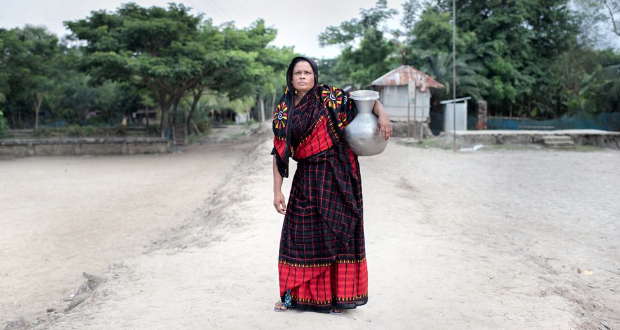
China's carbon emissions are vast and growing, dwarfing those of other countries. Experts agree that without big reductions in China's emissions, the world cannot win the fight against climate change. In 2020, China's President Xi Jinping said his country would aim for its emissions to reach their highest point before 2030 and for carbon neutrality before 2060. His statement has now been confirmed as China's official position ahead of the COP26 global climate summit in Glasgow. But China has not said exactly how these goals will be achieved.
Why China's climate policy matters to us all
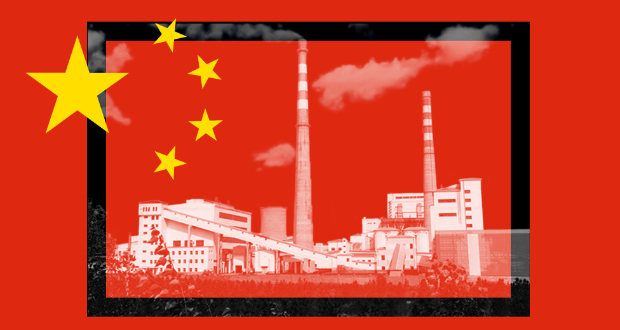
China's carbon emissions are vast and growing, dwarfing those of other countries. Experts agree that without big reductions in China's emissions, the world cannot win the fight against climate change. In 2020, China's President Xi Jinping said his country would aim for its emissions to reach their highest point before 2030 and for carbon neutrality before 2060. His statement has now been confirmed as China's official position ahead of the COP26 global climate summit in Glasgow. But China has not said exactly how these goals will be achieved.
Deliver on promises, developing world tells rich at climate talks

A crucial U.N. conference heard calls on its first day for the world's major economies to keep their promises of financial help to address the climate crisis, while big polluters India and Brazil made new commitments to cut emissions. World leaders, environmental experts and activists all pleaded for decisive action to halt the global warming which threatens the future of the planet at the start of the two-week COP26 summit in the Scottish city of Glasgow on Monday. The task facing negotiators was made even more daunting by the failure of the Group of 20 major industrial nations to agree ambitious new commitments at the weekend.