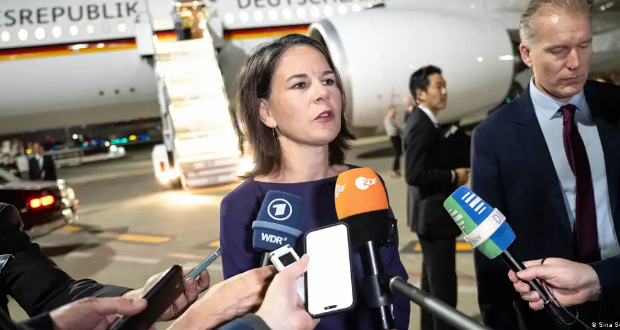
G7 foreign ministers seek common line on Gaza
German Foreign Minister Annalena Baerbock said humanitarian pauses in the Israel-Hamas war in Gaza would be a topic for discussion for ministers from theGroup of Seven (G7) leading industrialized democracies meeting in Tokyo on Tuesday.
Japan is hosting the two-day meeting where ministers will attempt to speak with one voice on the unfolding Middle East crisis, despite their apparent differences.
What can we expect from the talks?
Ministers will try to draft a united response to the Israel-Hamas war, but there are clear divisions between G7 members.
While France was the only G7 member to vote in favor of a UN General Assembly resolution last month seeking an immediate "humanitarian truce," the United States voted against it.
Japan, Britain, Italy, Germany, and Canada all abstained.
Meanwhile, German Foreign Minister Annalena Baerbock said the ministers would "discuss how we can achieve humanitarian pauses together to alleviate the suffering of the people in Gaza."
"For me, it is clear that the Hamas terrorists have brought infinite suffering to Israel and the Palestinian civilian population in Gaza with the horrific attacks of October 7. Hamas cannot be allowed to determine the fate of the people in the Gaza Strip," she added.
Agreeing upon the wording of any statement on Israel's right to defend itself amid concerns about the rising civilian casualties in the Gaza Strip could prove difficult.
"Although we will refrain from making a legal assessment of the actions of the Israeli military, generally speaking, the basic norms of international humanitarian law must be observed," Japanese Foreign Minister Yoko Kamikawa said.
French Foreign Minister Catherine Colonna said the meeting would discuss "the need to respond to the needs of civilian populations in Gaza and to respect international humanitarian law."
Renewed support for Ukraine
Tokyo was also keen to emphasize that G7 support for Ukraine would not be compromised even as much of the world's attention shifts to the conflict in the Middle East.
"Our commitment to continue strict sanctions against Russia and strong support for Ukraine has not wavered at all, even as the situation in the Middle East intensifies," Kamikawa told a press conference.
She said Ukrainian Foreign Minister Dmytro Kuleba would speak to the G7 ministers by a remote link during their meeting.
India targets net-zero carbon emissions by 2070, says Modi
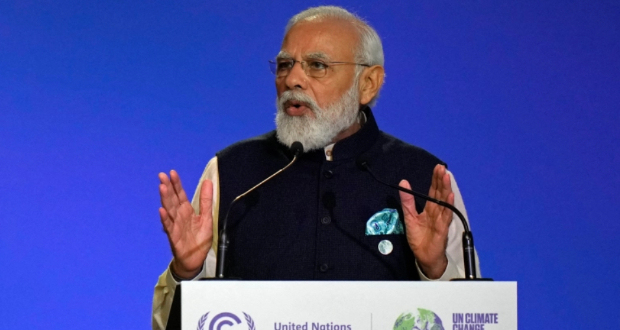
India’s economy will become carbon neutral by the year 2070, the country’s prime minster has announced at the COP26 climate crisis summit in Glasgow. The target date is two decades beyond what scientists say is needed to avert catastrophic climate impacts. India is the last of the world’s major carbon polluters to announce a net-zero target, with China saying it would reach that goal in 2060, and the United States and the European Union aiming for 2050.
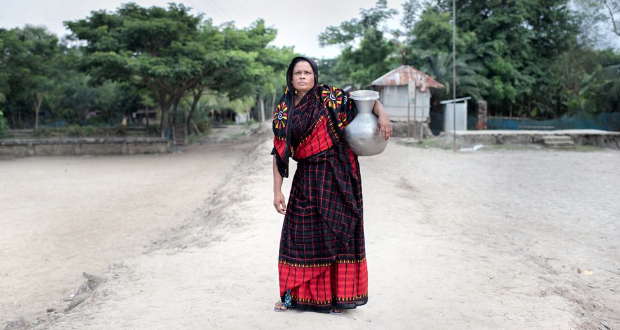
COP26: What climate summit means for one woman in Bangladesh
China's carbon emissions are vast and growing, dwarfing those of other countries. Experts agree that without big reductions in China's emissions, the world cannot win the fight against climate change. In 2020, China's President Xi Jinping said his country would aim for its emissions to reach their highest point before 2030 and for carbon neutrality before 2060. His statement has now been confirmed as China's official position ahead of the COP26 global climate summit in Glasgow. But China has not said exactly how these goals will be achieved.
Why China's climate policy matters to us all
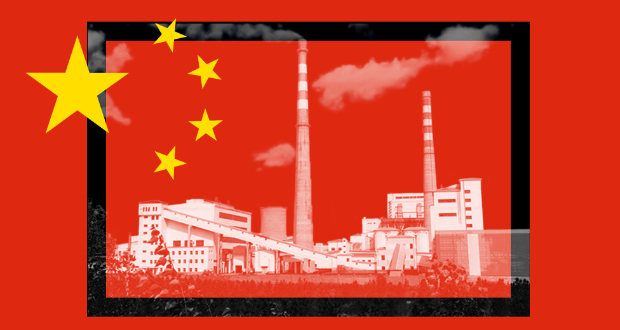
China's carbon emissions are vast and growing, dwarfing those of other countries. Experts agree that without big reductions in China's emissions, the world cannot win the fight against climate change. In 2020, China's President Xi Jinping said his country would aim for its emissions to reach their highest point before 2030 and for carbon neutrality before 2060. His statement has now been confirmed as China's official position ahead of the COP26 global climate summit in Glasgow. But China has not said exactly how these goals will be achieved.
Deliver on promises, developing world tells rich at climate talks

A crucial U.N. conference heard calls on its first day for the world's major economies to keep their promises of financial help to address the climate crisis, while big polluters India and Brazil made new commitments to cut emissions. World leaders, environmental experts and activists all pleaded for decisive action to halt the global warming which threatens the future of the planet at the start of the two-week COP26 summit in the Scottish city of Glasgow on Monday. The task facing negotiators was made even more daunting by the failure of the Group of 20 major industrial nations to agree ambitious new commitments at the weekend.