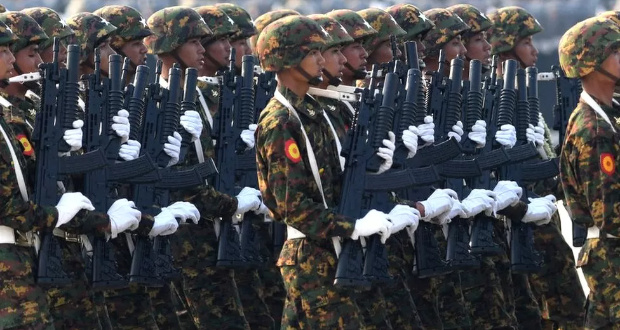
A turning point in Myanmar as army suffers big losses
The military-installed president of Myanmar has warned that the country is in danger of breaking apart if the government cannot control fighting which has broken out in Shan State.
Former General Myint Swe, who was appointed after a coup in 2021, was speaking at an emergency meeting held by the ruling military council to address a series of co-ordinated attacks by anti-military insurgents which have inflicted serious losses on the armed forces.
Three ethnic insurgent armies in Shan State, supported by other armed groups opposing the government, has overrun dozens of military posts, and captured border crossings and the roads carrying most of the overland trade with China.
It is the most serious setback suffered by the junta since it seized power in February 2021. After two-and-half years of battling the armed uprising it provoked with its disastrous coup, the military is looking weak, and possibly beatable.
The government has responded with airstrikes and artillery bombardments, forcing thousands of people to leave their homes. But it has been unable to bring in reinforcements or recover the ground it has lost. Among hundreds of troops killed is believed to be the commander of government forces in northern Shan State, Brigadier General Aung Kyaw Lwin, the most senior officer killed in combat since the coup.
What makes this attack even more significant is that it marks the first time that the well-armed insurgents operating in Shan State have explicitly aligned themselves and their military operations with the wider campaign to overthrow the junta and restore democratic rule.
India targets net-zero carbon emissions by 2070, says Modi
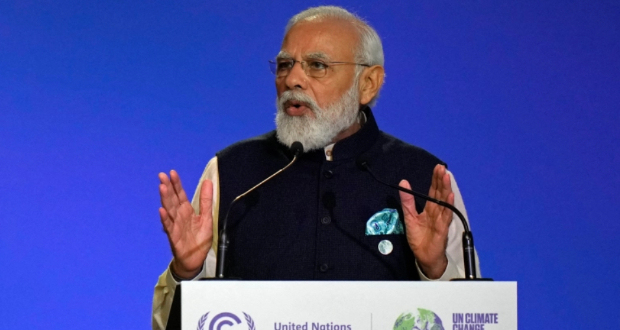
India’s economy will become carbon neutral by the year 2070, the country’s prime minster has announced at the COP26 climate crisis summit in Glasgow. The target date is two decades beyond what scientists say is needed to avert catastrophic climate impacts. India is the last of the world’s major carbon polluters to announce a net-zero target, with China saying it would reach that goal in 2060, and the United States and the European Union aiming for 2050.
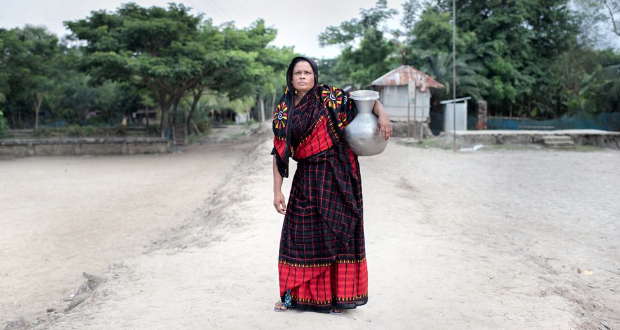
COP26: What climate summit means for one woman in Bangladesh
China's carbon emissions are vast and growing, dwarfing those of other countries. Experts agree that without big reductions in China's emissions, the world cannot win the fight against climate change. In 2020, China's President Xi Jinping said his country would aim for its emissions to reach their highest point before 2030 and for carbon neutrality before 2060. His statement has now been confirmed as China's official position ahead of the COP26 global climate summit in Glasgow. But China has not said exactly how these goals will be achieved.
Why China's climate policy matters to us all
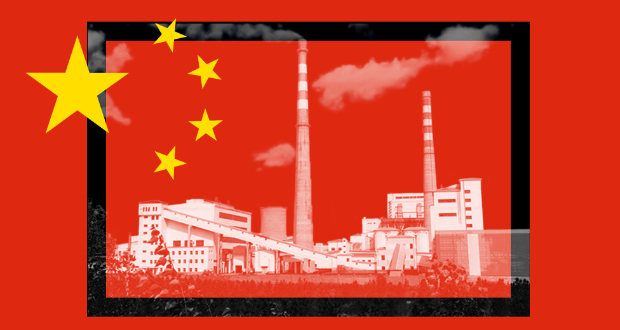
China's carbon emissions are vast and growing, dwarfing those of other countries. Experts agree that without big reductions in China's emissions, the world cannot win the fight against climate change. In 2020, China's President Xi Jinping said his country would aim for its emissions to reach their highest point before 2030 and for carbon neutrality before 2060. His statement has now been confirmed as China's official position ahead of the COP26 global climate summit in Glasgow. But China has not said exactly how these goals will be achieved.
Deliver on promises, developing world tells rich at climate talks

A crucial U.N. conference heard calls on its first day for the world's major economies to keep their promises of financial help to address the climate crisis, while big polluters India and Brazil made new commitments to cut emissions. World leaders, environmental experts and activists all pleaded for decisive action to halt the global warming which threatens the future of the planet at the start of the two-week COP26 summit in the Scottish city of Glasgow on Monday. The task facing negotiators was made even more daunting by the failure of the Group of 20 major industrial nations to agree ambitious new commitments at the weekend.