Five key takeaways from third Republican US presidential debate

Five Republican presidential candidates in the United States have clashed in their latest debate over a host of issues, including the war in Gaza, immigration and their difficult quest to win the nomination against former President Donald Trump.

Florida Governor Ron DeSantis, former envoy to the United Nations Nikki Haley, former New Jersey Governor Chris Christie, entrepreneur Vivek Ramaswamy and Senator Tim Scott sparred on the stage of the third debate of the campaign in Miami, Florida on Wednesday.

The stage was downsized from the last debate in September with former Vice President Mike Pence suspending his campaign and North Dakota Governor Doug Burgum failing to qualify.

Trump, who remains the distant frontrunner despite his mounting legal woes, once again decided to skip proceedings.

The war in Gaza and its international and domestic implications dominated the first part of the debate, but the candidates’ support for Israel kept resurfacing even when discussing other topics.

Haley and Ramaswamy – who remain longshot candidates – deepened their rivalry, exchanging jabs throughout the evening.

Scott, who cut a quiet figure in the previous debate, delivered a more assertive performance, claiming more speaking time.

DeSantis, long seen as the most serious threat to Trump’s grip on the party’s nomination, promoted his conservative record in Florida while criticising President Joe Biden’s policies.
Read Full Article:

Share This Article

Related Articles

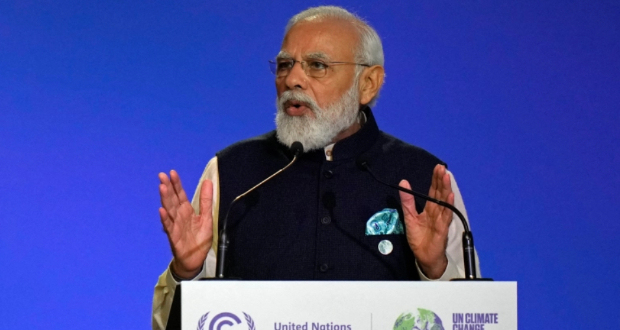
India targets net-zero carbon emissions by 2070, says Modi

India’s economy will become carbon neutral by the year 2070, the country’s prime minster has announced at the COP26 climate crisis summit in Glasgow. The target date is two decades beyond what scientists say is needed to avert catastrophic climate impacts. India is the last of the world’s major carbon polluters to announce a net-zero target, with China saying it would reach that goal in 2060, and the United States and the European Union aiming for 2050.

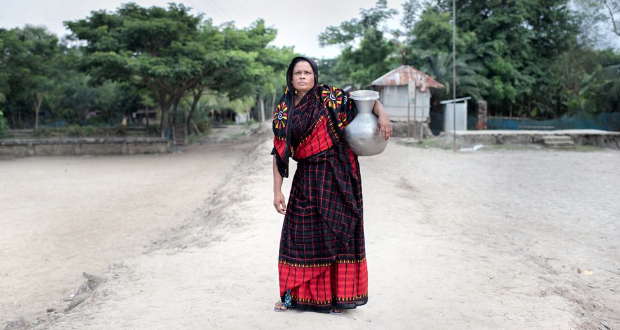
COP26: What climate summit means for one woman in Bangladesh

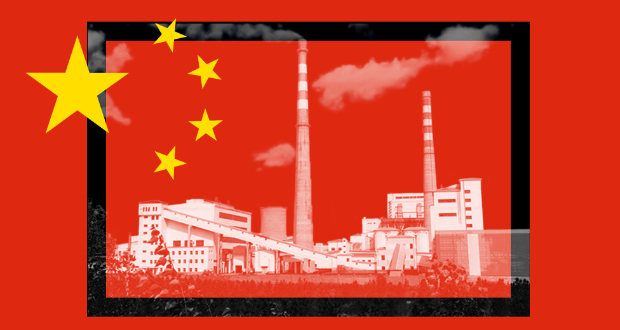
China's carbon emissions are vast and growing, dwarfing those of other countries. Experts agree that without big reductions in China's emissions, the world cannot win the fight against climate change. In 2020, China's President Xi Jinping said his country would aim for its emissions to reach their highest point before 2030 and for carbon neutrality before 2060. His statement has now been confirmed as China's official position ahead of the COP26 global climate summit in Glasgow. But China has not said exactly how these goals will be achieved.

Why China's climate policy matters to us all

China's carbon emissions are vast and growing, dwarfing those of other countries. Experts agree that without big reductions in China's emissions, the world cannot win the fight against climate change. In 2020, China's President Xi Jinping said his country would aim for its emissions to reach their highest point before 2030 and for carbon neutrality before 2060. His statement has now been confirmed as China's official position ahead of the COP26 global climate summit in Glasgow. But China has not said exactly how these goals will be achieved.

Deliver on promises, developing world tells rich at climate talks

A crucial U.N. conference heard calls on its first day for the world's major economies to keep their promises of financial help to address the climate crisis, while big polluters India and Brazil made new commitments to cut emissions. World leaders, environmental experts and activists all pleaded for decisive action to halt the global warming which threatens the future of the planet at the start of the two-week COP26 summit in the Scottish city of Glasgow on Monday. The task facing negotiators was made even more daunting by the failure of the Group of 20 major industrial nations to agree ambitious new commitments at the weekend.