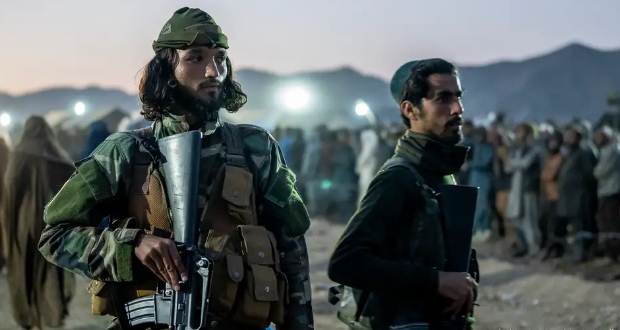
How deportations of Afghans imperil Pakistan's security
Islamabad is conducting a massive deportation effort directed at Afghans, expelling over 200,000 refugees since the push started this month. This is just the beginning – Pakistani authorities estimate four million Afghans are living in Pakistan, and some 1.7 million of them are undocumented refugees. The government has warned that anyone staying in the country illegally past November 1 would face arrest and confiscation of assets.
Afghan Taliban furious
The deportation drive, along with reports of refugees being harassed and humiliated, has prompted outrage in Kabul. The Taliban regime urged the Pakistani government to refrain from what they described as acts of cruelty.
"The Pakistani rulers, the current interim government and the military generals should adhere to Islamic principles and prioritize the future and must refrain from mistreating Afghan refugees and confiscating their properties," said the head of the Taliban-appointed government Mohammad Hassan Akhund.
Ideological brothers
The Taliban have ruled Afghanistan since August 2021. No country in the world, including Pakistan, has so far acknowledged the regime's legitimacy. But the complicated and troubled relationship between Afghanistan and Pakistan goes far beyond diplomacy.
In the years following the US invasion of Afghanistan in 2001, several militant groups in Pakistan formed Tehreek-e-Taliban Pakistan (TTP), a local offshoot of the Afghan Taliban. They declared that, since Islamabad sided with Washington, the Pakistani army had become an "apostate force" and fighting against them was justified.
The Pakistani Taliban have since carried out hundreds of attacks. A 2014 attack on an army-run school in Peshawar prompted the Pakistani authorities to launch a massive crackdown against them. Most of the militants took shelter in Afghanistan and continued to hit targets in Pakistan using Afghanistan as their base, though with reduced intensity.
After the Afghan Taliban captured Kabul in 2021, such attacks have once again grown more common. This month, Pakistan's interim PM Anwaar-ul-Haq Kakar said his country witnessed a 60% surge in terror incidents since the Taliban takeover, including a fivefold increase in suicide attacks.
Fear of an open alliance between two Taliban factions
Afghanistan is already going through a severe financial economic crisis with millions of people depending on humanitarian assistance or facing the specter of hunger and starvation. Peshawar-based analyst Dr Faizullah Jan believes that the return of illegal Afghan immigrants on such a large scale is likely to overwhelm the Kabul government.
India targets net-zero carbon emissions by 2070, says Modi
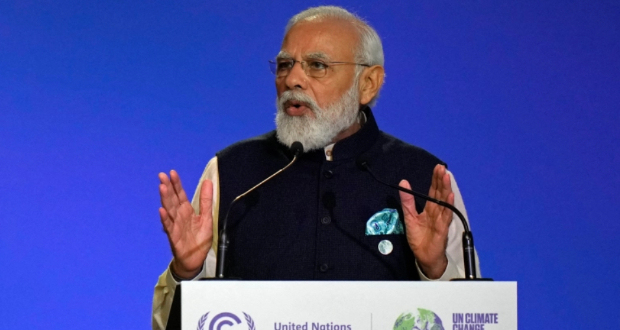
India’s economy will become carbon neutral by the year 2070, the country’s prime minster has announced at the COP26 climate crisis summit in Glasgow. The target date is two decades beyond what scientists say is needed to avert catastrophic climate impacts. India is the last of the world’s major carbon polluters to announce a net-zero target, with China saying it would reach that goal in 2060, and the United States and the European Union aiming for 2050.
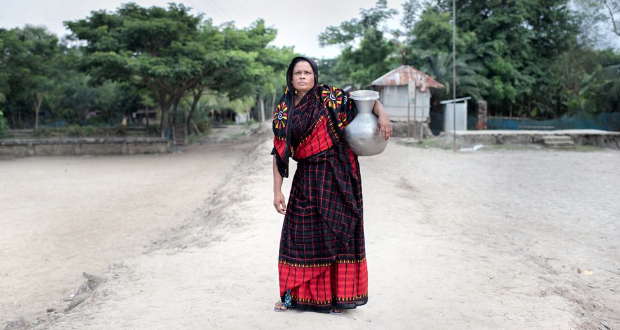
COP26: What climate summit means for one woman in Bangladesh
China's carbon emissions are vast and growing, dwarfing those of other countries. Experts agree that without big reductions in China's emissions, the world cannot win the fight against climate change. In 2020, China's President Xi Jinping said his country would aim for its emissions to reach their highest point before 2030 and for carbon neutrality before 2060. His statement has now been confirmed as China's official position ahead of the COP26 global climate summit in Glasgow. But China has not said exactly how these goals will be achieved.
Why China's climate policy matters to us all
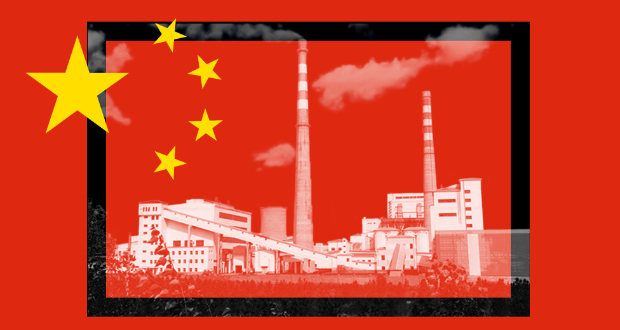
China's carbon emissions are vast and growing, dwarfing those of other countries. Experts agree that without big reductions in China's emissions, the world cannot win the fight against climate change. In 2020, China's President Xi Jinping said his country would aim for its emissions to reach their highest point before 2030 and for carbon neutrality before 2060. His statement has now been confirmed as China's official position ahead of the COP26 global climate summit in Glasgow. But China has not said exactly how these goals will be achieved.
Deliver on promises, developing world tells rich at climate talks

A crucial U.N. conference heard calls on its first day for the world's major economies to keep their promises of financial help to address the climate crisis, while big polluters India and Brazil made new commitments to cut emissions. World leaders, environmental experts and activists all pleaded for decisive action to halt the global warming which threatens the future of the planet at the start of the two-week COP26 summit in the Scottish city of Glasgow on Monday. The task facing negotiators was made even more daunting by the failure of the Group of 20 major industrial nations to agree ambitious new commitments at the weekend.