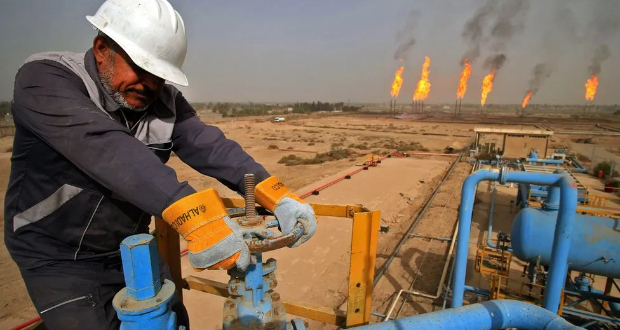
COP28 ‘moment of truth’ for oil industry, says energy boss
The world's oil and gas industry has been warned it faces a "moment of truth" at next week's UN climate talks.
Dr Fatih Birol, head of energy watchdog the International Energy Agency, was speaking as the IEA published a new report on the future of fossil fuels.
He said the sector must choose between contributing to the climate crisis or "becoming part of the solution".
Last year fossil fuel companies were responsible for just 1% of global investment in renewable energy.
The publication of this report just a week before the start of the UN climate summit, also known as COP28, is no coincidence. The IEA will want to put pressure on governments attending the conference to get an agreement on reducing the use of fossil fuels.
"The uncomfortable truth that the industry needs to come to terms with is that successful clean energy transitions require much lower demand for oil and gas, which means scaling back oil and gas operations over time - not expanding them. There is no way around this," Dr Birol said.
This year's conference is also controversial because a major oil producer is host.
In the run up to COP28, the man who will chair the climate talks, Sultan Al Jaber of the United Arab Emirates, has been criticised for prioritising a technology known as carbon capture and storage.
Carbon capture stops most of the CO2 produced from burning fossil fuels in power stations from being released into the atmosphere, and either re-uses it or stores it underground. But it is expensive and in its infancy.
Some critics say fossil fuel producers hope to use the technology to allow them to continue relying on oil and gas
India targets net-zero carbon emissions by 2070, says Modi
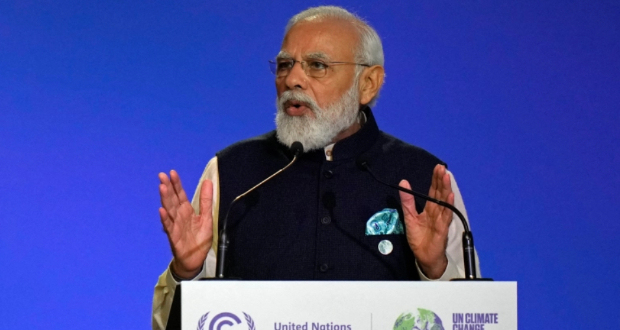
India’s economy will become carbon neutral by the year 2070, the country’s prime minster has announced at the COP26 climate crisis summit in Glasgow. The target date is two decades beyond what scientists say is needed to avert catastrophic climate impacts. India is the last of the world’s major carbon polluters to announce a net-zero target, with China saying it would reach that goal in 2060, and the United States and the European Union aiming for 2050.
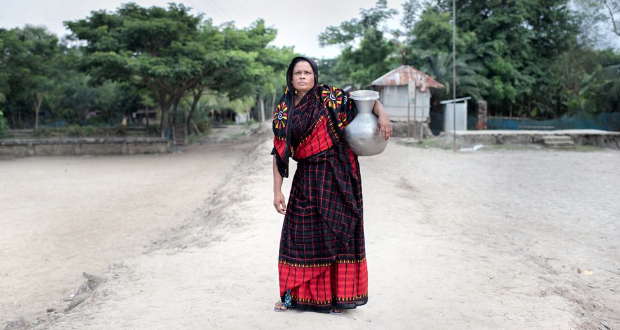
COP26: What climate summit means for one woman in Bangladesh
China's carbon emissions are vast and growing, dwarfing those of other countries. Experts agree that without big reductions in China's emissions, the world cannot win the fight against climate change. In 2020, China's President Xi Jinping said his country would aim for its emissions to reach their highest point before 2030 and for carbon neutrality before 2060. His statement has now been confirmed as China's official position ahead of the COP26 global climate summit in Glasgow. But China has not said exactly how these goals will be achieved.
Why China's climate policy matters to us all
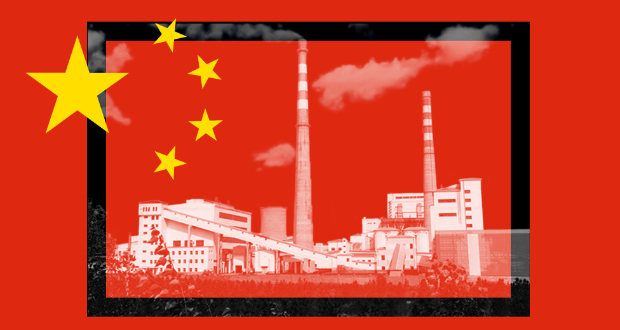
China's carbon emissions are vast and growing, dwarfing those of other countries. Experts agree that without big reductions in China's emissions, the world cannot win the fight against climate change. In 2020, China's President Xi Jinping said his country would aim for its emissions to reach their highest point before 2030 and for carbon neutrality before 2060. His statement has now been confirmed as China's official position ahead of the COP26 global climate summit in Glasgow. But China has not said exactly how these goals will be achieved.
Deliver on promises, developing world tells rich at climate talks

A crucial U.N. conference heard calls on its first day for the world's major economies to keep their promises of financial help to address the climate crisis, while big polluters India and Brazil made new commitments to cut emissions. World leaders, environmental experts and activists all pleaded for decisive action to halt the global warming which threatens the future of the planet at the start of the two-week COP26 summit in the Scottish city of Glasgow on Monday. The task facing negotiators was made even more daunting by the failure of the Group of 20 major industrial nations to agree ambitious new commitments at the weekend.