
Niger junta revokes law aimed at curbing migration to Europe
Niger's military junta has repealed a 2015 anti-migration law that curbed smuggling of people through the country into Europe, the government announced late Monday.
The West African nation is a hub for those trying to enter Europe via neighboring Libya and Algeria.
Why did Niger revoke the law?
According to a statement from the government, junta leader General Abdourahamane Tchiani signed the order repealing the 2015 law as it "did not take into account the interests of Niger and its citizens."
The repeal erases previous convictions under the law and all those convicted would be considered for release by the Ministry of Justice, said Ibrahim Jean Etienne, the secretary-general of the ministry.
The repeal of the law further complicates the relations between Niger and the European Union (EU). Tensions have been high since the EU slapped sanctions on the country after a military coup deposed President Mohamed Bazoum in July.
The repeal is seen as the junta's effort to regain local support.
Law aimed to curb illegal migrantion
Initially backed by the EU, the 2015 law aimed to curb illegal migrant flows but adversely impacted local economies in desert regions like Agadez.
According to UN estimates, up to 4,000 migrants can pass through Agadez every week without travel documents.
The International Organization for Migration (IOM) reported that the now-repealed law was effective in decreasing irregular migration in Niger.
The law targeted people smugglers who faced up to five years in prison if convicted.
Some residents of Agadez, a desert city heavily impacted economically by the previous law, have welcomed the repeal. A local resident told Reuters news agency that he used to make thousands of dollars a month driving migrants through the desert.
"I'm going to start again," he said. "We are very happy."
India targets net-zero carbon emissions by 2070, says Modi
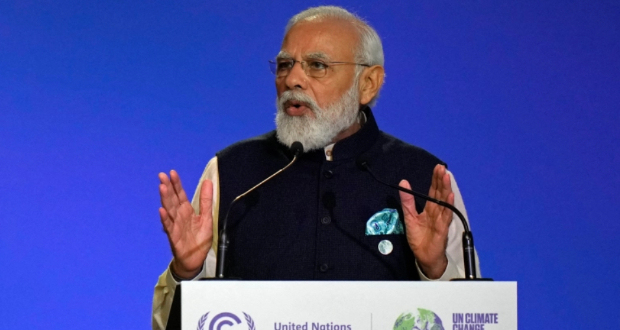
India’s economy will become carbon neutral by the year 2070, the country’s prime minster has announced at the COP26 climate crisis summit in Glasgow. The target date is two decades beyond what scientists say is needed to avert catastrophic climate impacts. India is the last of the world’s major carbon polluters to announce a net-zero target, with China saying it would reach that goal in 2060, and the United States and the European Union aiming for 2050.
COP26: What climate summit means for one woman in Bangladesh

China's carbon emissions are vast and growing, dwarfing those of other countries. Experts agree that without big reductions in China's emissions, the world cannot win the fight against climate change. In 2020, China's President Xi Jinping said his country would aim for its emissions to reach their highest point before 2030 and for carbon neutrality before 2060. His statement has now been confirmed as China's official position ahead of the COP26 global climate summit in Glasgow. But China has not said exactly how these goals will be achieved.
Why China's climate policy matters to us all
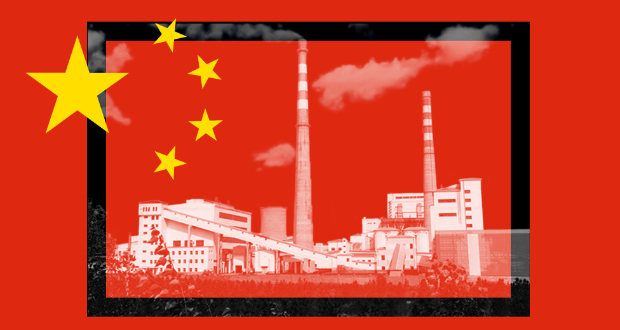
China's carbon emissions are vast and growing, dwarfing those of other countries. Experts agree that without big reductions in China's emissions, the world cannot win the fight against climate change. In 2020, China's President Xi Jinping said his country would aim for its emissions to reach their highest point before 2030 and for carbon neutrality before 2060. His statement has now been confirmed as China's official position ahead of the COP26 global climate summit in Glasgow. But China has not said exactly how these goals will be achieved.
Deliver on promises, developing world tells rich at climate talks

A crucial U.N. conference heard calls on its first day for the world's major economies to keep their promises of financial help to address the climate crisis, while big polluters India and Brazil made new commitments to cut emissions. World leaders, environmental experts and activists all pleaded for decisive action to halt the global warming which threatens the future of the planet at the start of the two-week COP26 summit in the Scottish city of Glasgow on Monday. The task facing negotiators was made even more daunting by the failure of the Group of 20 major industrial nations to agree ambitious new commitments at the weekend.