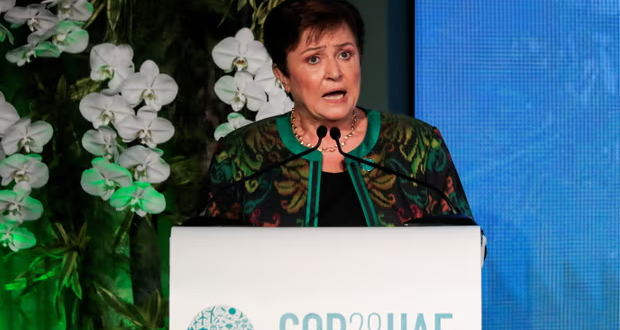
Carbon pricing would raise trillions needed to tackle climate crisis, says IMF
Diverting the trillions of dollars by which the world subsidises fossil fuel production each year, and putting an implicit price on carbon emissions, would generate the vast amounts of cash needed to tackle the climate crisis, the head of the International Monetary Fund has said.
Governments have been put off explicitly pricing carbon by the potential unpopularity of new carbon taxes, which have become favourite targets of anti-climate politicians and parties around the world, from the US and Australia to Europe and the UK.
Kristalina Georgieva, the managing director of the IMF, said it was possible to achieve the same result – of making high-carbon activities reflect their true costs to society – using regulation, and by cutting the bad subsidies that encourage fossil-fuel use.
“We have been slow on a very important policy thought, which is the incentive for investors by still tolerating high levels of fossil-fuel subsidies,” she told the Guardian in an interview. “And [the world has made this worse] by being still fairly slow on introducing carbon pricing, and giving a trajectory for this carbon price upward.”
“When you put a price on carbon, decarbonisation accelerates”
- Kristalina Georgieva, of the IMF
Monday was finance and trade day at the UN Cop28 climate summit in Dubai, with governments, finance institutions and private sector investors discussing new initiatives to help find the trillions needed to shift the world to a low-carbon economy. There were few substantial announcements of new cash, however, as most governments had made their contributions to the loss and damage fund, now standing at around $700m (£556m), in the first week of the conference.
Studies by prominent economists have shown that trillions are needed around the world each year in investment in renewable energy and other low-carbon technology – for instance, Lord Nicholas Stern and Vera Songwe found that developing countries alone, excluding China, will need more than $2tn (£1.6tn) a year by 2030, to cut emissions and cope with the impact of extreme weather. These sums seem huge, but are relatively small in the context of a global economy that is worth about $450tn (£358tn).
India targets net-zero carbon emissions by 2070, says Modi
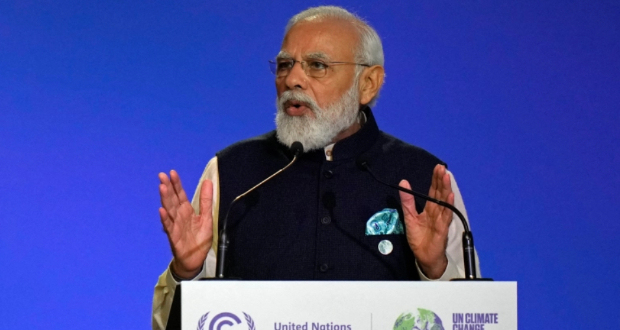
India’s economy will become carbon neutral by the year 2070, the country’s prime minster has announced at the COP26 climate crisis summit in Glasgow. The target date is two decades beyond what scientists say is needed to avert catastrophic climate impacts. India is the last of the world’s major carbon polluters to announce a net-zero target, with China saying it would reach that goal in 2060, and the United States and the European Union aiming for 2050.
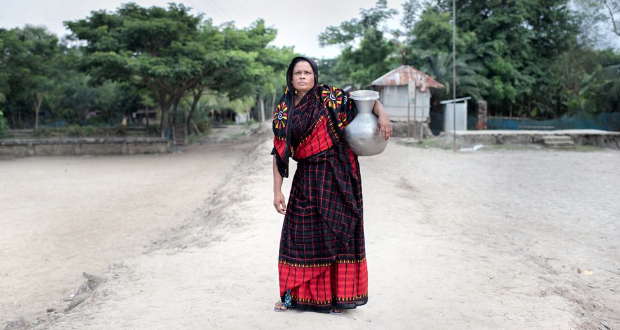
COP26: What climate summit means for one woman in Bangladesh
China's carbon emissions are vast and growing, dwarfing those of other countries. Experts agree that without big reductions in China's emissions, the world cannot win the fight against climate change. In 2020, China's President Xi Jinping said his country would aim for its emissions to reach their highest point before 2030 and for carbon neutrality before 2060. His statement has now been confirmed as China's official position ahead of the COP26 global climate summit in Glasgow. But China has not said exactly how these goals will be achieved.
Why China's climate policy matters to us all
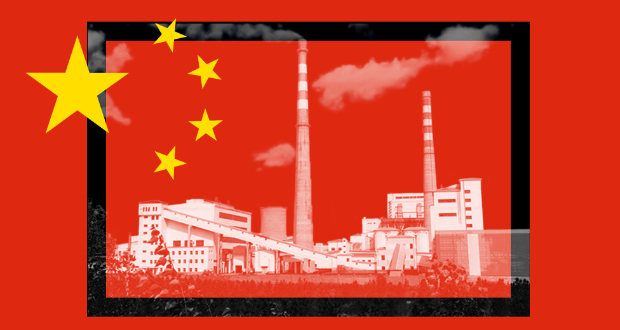
China's carbon emissions are vast and growing, dwarfing those of other countries. Experts agree that without big reductions in China's emissions, the world cannot win the fight against climate change. In 2020, China's President Xi Jinping said his country would aim for its emissions to reach their highest point before 2030 and for carbon neutrality before 2060. His statement has now been confirmed as China's official position ahead of the COP26 global climate summit in Glasgow. But China has not said exactly how these goals will be achieved.
Deliver on promises, developing world tells rich at climate talks

A crucial U.N. conference heard calls on its first day for the world's major economies to keep their promises of financial help to address the climate crisis, while big polluters India and Brazil made new commitments to cut emissions. World leaders, environmental experts and activists all pleaded for decisive action to halt the global warming which threatens the future of the planet at the start of the two-week COP26 summit in the Scottish city of Glasgow on Monday. The task facing negotiators was made even more daunting by the failure of the Group of 20 major industrial nations to agree ambitious new commitments at the weekend.