What is COP28 in Dubai and why is it important?

World leaders have been discussing how to tackle climate change at a big UN meeting in Dubai.

The summit followed a year of extreme weather events in which many climate records were broken.

What is COP28 and where is it?

COP28 is the 28th annual United Nations (UN) climate meeting where governments discuss how to limit and prepare for future climate change.

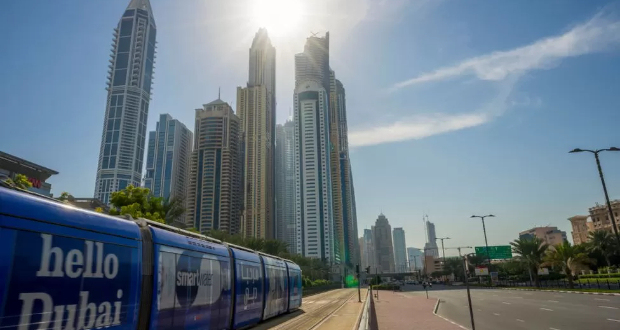
The summit took place in Dubai, in the United Arab Emirates (UAE), from 30 November to 12 December 2023, although it overran.

What does COP stand for?

COP stands for "Conference of the Parties", where the "parties" are the countries that signed up to the original UN climate agreement in 1992.

Why was holding COP28 in Dubai controversial?

The UAE is one of the world's top 10 oil-producing nations.

It appointed the chief executive of the state-owned oil company, Sultan al-Jaber, as COP28 president.

Oil - like gas and coal - is a fossil fuel. These are the main causes of climate change because they release planet-warming greenhouse gases like carbon dioxide when burned for energy.

Mr Jaber's oil company is expected to rapidly expand production this decade.

Documents leaked to the BBC also suggested the UAE planned to use its role as host to strike new oil and gas deals.

Mr Jaber previously argued that he was uniquely well-placed to push for action from the oil and gas industry.

He said that as chairman of renewable energy firm Masdar, he had also overseen the expansion of clean technologies like wind and solar power.

Sultan al-Jaber has been a controversial choice to head the COP28 climate talks

Why is COP28 important?

It is hoped COP28 will help keep alive the goal of limiting long-term global temperature rises to 1.5C. This was agreed by nearly 200 countries in Paris in 2015.

The 1.5C target is crucial to avoid the most damaging impacts of climate change, according to the UN's climate body, the Intergovernmental Panel on Climate Change (IPCC).

Long-term warming currently stands at about 1.1C or 1.2C compared with pre-industrial times - the period before humans started burning fossil fuels at scale.

However, although the exact numbers are uncertain, the world is currently on track for around 2.7C of warming by 2100.
Read Full Article:

Share This Article

Related Articles

India targets net-zero carbon emissions by 2070, says Modi

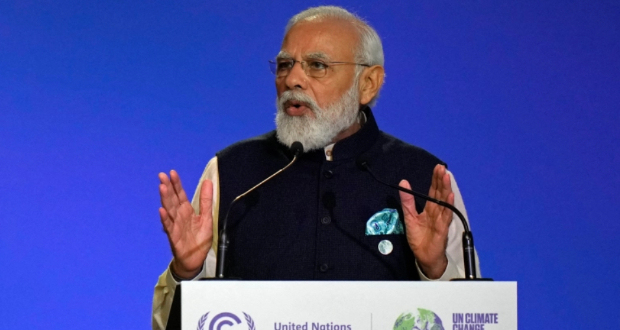
India’s economy will become carbon neutral by the year 2070, the country’s prime minster has announced at the COP26 climate crisis summit in Glasgow. The target date is two decades beyond what scientists say is needed to avert catastrophic climate impacts. India is the last of the world’s major carbon polluters to announce a net-zero target, with China saying it would reach that goal in 2060, and the United States and the European Union aiming for 2050.

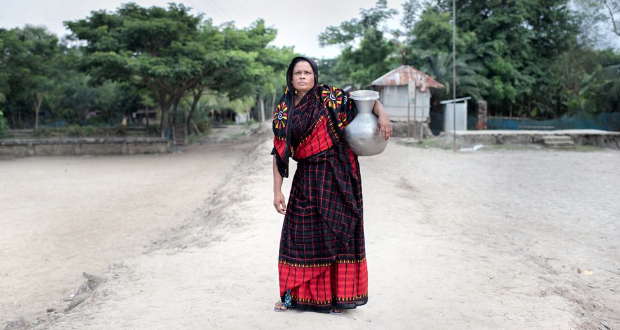
COP26: What climate summit means for one woman in Bangladesh

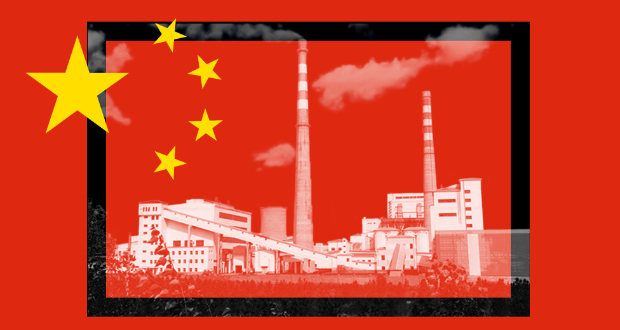
China's carbon emissions are vast and growing, dwarfing those of other countries. Experts agree that without big reductions in China's emissions, the world cannot win the fight against climate change. In 2020, China's President Xi Jinping said his country would aim for its emissions to reach their highest point before 2030 and for carbon neutrality before 2060. His statement has now been confirmed as China's official position ahead of the COP26 global climate summit in Glasgow. But China has not said exactly how these goals will be achieved.

Why China's climate policy matters to us all

China's carbon emissions are vast and growing, dwarfing those of other countries. Experts agree that without big reductions in China's emissions, the world cannot win the fight against climate change. In 2020, China's President Xi Jinping said his country would aim for its emissions to reach their highest point before 2030 and for carbon neutrality before 2060. His statement has now been confirmed as China's official position ahead of the COP26 global climate summit in Glasgow. But China has not said exactly how these goals will be achieved.

Deliver on promises, developing world tells rich at climate talks

A crucial U.N. conference heard calls on its first day for the world's major economies to keep their promises of financial help to address the climate crisis, while big polluters India and Brazil made new commitments to cut emissions. World leaders, environmental experts and activists all pleaded for decisive action to halt the global warming which threatens the future of the planet at the start of the two-week COP26 summit in the Scottish city of Glasgow on Monday. The task facing negotiators was made even more daunting by the failure of the Group of 20 major industrial nations to agree ambitious new commitments at the weekend.