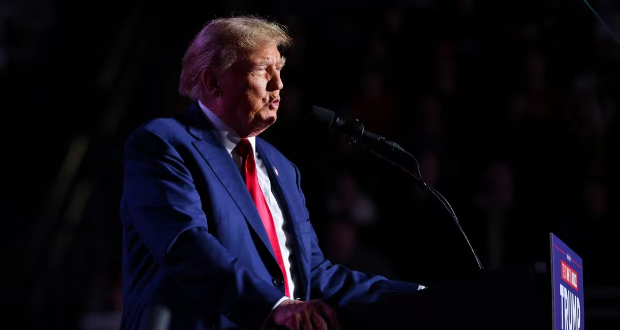
Trump repeats 'poisoning the blood' anti-immigrant remark
Donald Trump, the Republican presidential frontrunner, said on Saturday that undocumented immigrants were "poisoning the blood of our country," repeating language that has previously drawn criticism as xenophobic and echoing of Nazi rhetoric.
Trump made the comments during a campaign event in New Hampshire where he railed against the record number of migrants attempting to cross the U.S. border illegally. Trump has promised to crack down on illegal immigration and restrict legal immigration if elected to a second four-year term in office.
"They're poisoning the blood of our country," Trump told a rally in the city of Durham attended by several thousand supporters, adding that immigrants were coming to the U.S. from Asia and Africa in addition to South America. "All over the world they are pouring into our country."
Trump used the same "poisoning the blood" language during an interview with The National Pulse, a right-leaning website, that was published in late September. It prompted a rebuke from the Anti-Defamation League, whose leader, Jonathan Greenblatt, called the language "racist, xenophobic and despicable."
Jason Stanley, a Yale professor and author of a book on fascism, said Trump's repeated use of that language was dangerous. He said Trump's words echoed the rhetoric of Nazi leader Adolf Hitler, who warned against German blood being poisoned by Jews in his political treatise "Mein Kampf".
"He is now employing this vocabulary in repetition in rallies. Repeating dangerous speech increases its normalization and the practices it recommends," Stanley said. "This is very concerning talk for the safety of immigrants in the U.S."
In October Trump campaign spokesperson Steven Cheung had dismissed criticism of the former president's language as "nonsensical," arguing that similar language was prevalent in books, news articles and on TV.
When asked for comment on Saturday, Cheung did not directly address Trump's remarks and instead referred to the controversies over how U.S. colleges are handling campus protests since Hamas' Oct. 7 attack on Israel, saying media and academia had given "safe haven for dangerous anti-Semitic and pro-Hamas rhetoric that is both dangerous and alarming."
The "poisoning the blood of our country" language was not in Trump's prepared remarks distributed to media prior to Saturday's event, and it was not clear whether his use of that rhetoric was planned or adopted on the fly.
India targets net-zero carbon emissions by 2070, says Modi
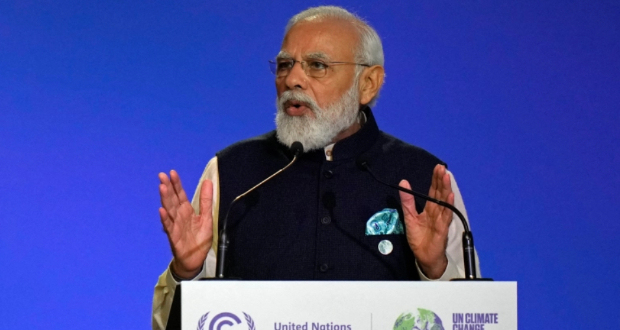
India’s economy will become carbon neutral by the year 2070, the country’s prime minster has announced at the COP26 climate crisis summit in Glasgow. The target date is two decades beyond what scientists say is needed to avert catastrophic climate impacts. India is the last of the world’s major carbon polluters to announce a net-zero target, with China saying it would reach that goal in 2060, and the United States and the European Union aiming for 2050.
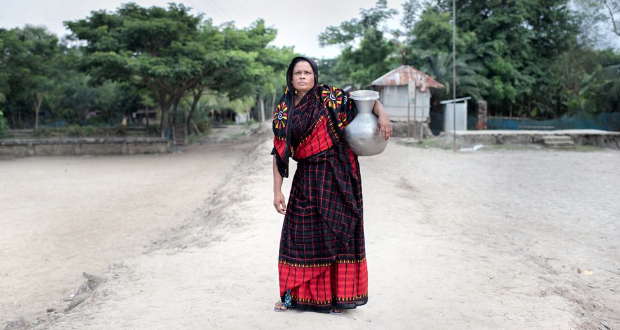
COP26: What climate summit means for one woman in Bangladesh
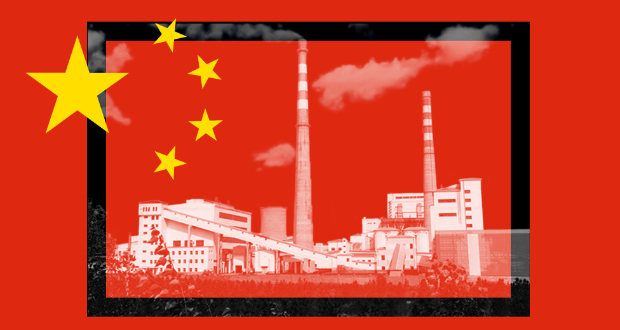
China's carbon emissions are vast and growing, dwarfing those of other countries. Experts agree that without big reductions in China's emissions, the world cannot win the fight against climate change. In 2020, China's President Xi Jinping said his country would aim for its emissions to reach their highest point before 2030 and for carbon neutrality before 2060. His statement has now been confirmed as China's official position ahead of the COP26 global climate summit in Glasgow. But China has not said exactly how these goals will be achieved.
Why China's climate policy matters to us all
China's carbon emissions are vast and growing, dwarfing those of other countries. Experts agree that without big reductions in China's emissions, the world cannot win the fight against climate change. In 2020, China's President Xi Jinping said his country would aim for its emissions to reach their highest point before 2030 and for carbon neutrality before 2060. His statement has now been confirmed as China's official position ahead of the COP26 global climate summit in Glasgow. But China has not said exactly how these goals will be achieved.
Deliver on promises, developing world tells rich at climate talks

A crucial U.N. conference heard calls on its first day for the world's major economies to keep their promises of financial help to address the climate crisis, while big polluters India and Brazil made new commitments to cut emissions. World leaders, environmental experts and activists all pleaded for decisive action to halt the global warming which threatens the future of the planet at the start of the two-week COP26 summit in the Scottish city of Glasgow on Monday. The task facing negotiators was made even more daunting by the failure of the Group of 20 major industrial nations to agree ambitious new commitments at the weekend.