
Examining COP28's potential impact on climate change
Once the gavel came down in Dubai, the warm words flowed - but will it really have an impact on climate change?
The agreement reached in this glitzy metropolis for the first time nails the role of fossil fuel emissions in driving up temperatures and outlines a future decline for coal, oil and gas.
In UN terms that is historic, and the biggest step forward on climate since the Paris agreement in 2015.
But by itself, will this deal be enough to save the "north star" of this COP - keeping temperatures under 1.5C this century?
Most likely not.
The major element of the deal, the transition away from fossil fuels in energy systems, is indeed a landmark moment.
But the language is far weaker than many countries desired.
The UAE presidency had included strong text on the idea of a fossil fuel phase out from the start of the meeting.
But in the face of opposition from many, they dropped it from their first attempt at a draft agreement,
Cue fury among progressives and much finger pointing at oil producers.
This wasn't all the fault of countries like Saudi Arabia.
A key factor in softening the text was the attitude of middle-income developing countries who were very uncertain about the much hyped phased out of fossil fuels.
For Nigeria, Uganda, Colombia and others there were complaints that they needed to use revenues from the sale of coal, oil and gas to ensure they could pay for the transition to greener energy.
Colombia complained that by moving away from fossil fuels, credit agencies had downgraded their rating, meaning that international loans to go green would cost them far more.
India targets net-zero carbon emissions by 2070, says Modi
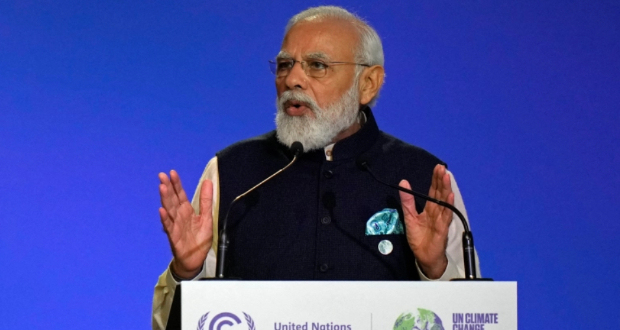
India’s economy will become carbon neutral by the year 2070, the country’s prime minster has announced at the COP26 climate crisis summit in Glasgow. The target date is two decades beyond what scientists say is needed to avert catastrophic climate impacts. India is the last of the world’s major carbon polluters to announce a net-zero target, with China saying it would reach that goal in 2060, and the United States and the European Union aiming for 2050.
COP26: What climate summit means for one woman in Bangladesh
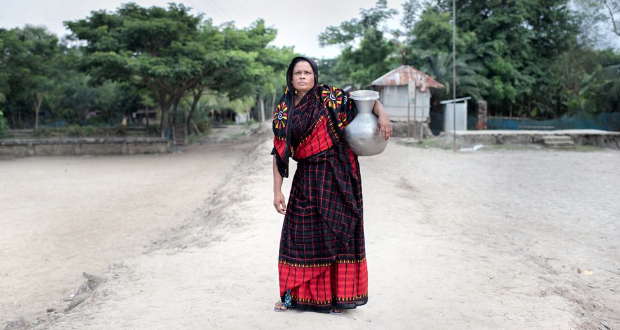
China's carbon emissions are vast and growing, dwarfing those of other countries. Experts agree that without big reductions in China's emissions, the world cannot win the fight against climate change. In 2020, China's President Xi Jinping said his country would aim for its emissions to reach their highest point before 2030 and for carbon neutrality before 2060. His statement has now been confirmed as China's official position ahead of the COP26 global climate summit in Glasgow. But China has not said exactly how these goals will be achieved.
Why China's climate policy matters to us all
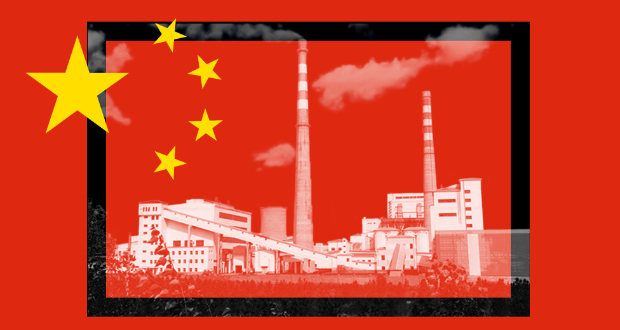
China's carbon emissions are vast and growing, dwarfing those of other countries. Experts agree that without big reductions in China's emissions, the world cannot win the fight against climate change. In 2020, China's President Xi Jinping said his country would aim for its emissions to reach their highest point before 2030 and for carbon neutrality before 2060. His statement has now been confirmed as China's official position ahead of the COP26 global climate summit in Glasgow. But China has not said exactly how these goals will be achieved.
Deliver on promises, developing world tells rich at climate talks

A crucial U.N. conference heard calls on its first day for the world's major economies to keep their promises of financial help to address the climate crisis, while big polluters India and Brazil made new commitments to cut emissions. World leaders, environmental experts and activists all pleaded for decisive action to halt the global warming which threatens the future of the planet at the start of the two-week COP26 summit in the Scottish city of Glasgow on Monday. The task facing negotiators was made even more daunting by the failure of the Group of 20 major industrial nations to agree ambitious new commitments at the weekend.