
Ukraine, Moldova set for EU talks after Hungary drops veto
An EU summit in Brussels delivered an unexpected piece of welcome news at a bleak moment of the Russia-Ukraine war. Kyiv can soon begin official talks to join the European Union after getting the green light from the bloc's leaders on Thursday. Hungary, which had been threatening to veto the decision, stood aside at the last minute.
"This is a victory for Ukraine. A victory for all of Europe. A victory that motivates, inspires, and strengthens," Ukrainian President Volodymyr Zelenskyy wrote on X, formerly Twitter.
Few had expected such a decisive outcome at the gathering of EU leaders in Brussels. Ahead of the two-day summit, Hungarian Prime Minister Viktor Orban had been pounding home his message that Ukraine was not ready to open accession negotiations — the first step in a long, winding and uncertain path to join the EU.
Hungary's Orban issues threats, then steps out at vote
Orban arrived at the meeting guns blazing, repeating that his country was against opening talks with Ukraine as the sole opponent among the 27 member states.
"There is no reason to negotiate membership of Ukraine now," Orban told reporters, arguing that Kyiv had not fulfilled all the requirements set out by the European Commission in June 2022 in areas like tackling corruption, ensuring minority rights and reducing the influence of oligarchs.
He said he would also not sign off on an EU budget top-up, including €50 billion ($55 billion) of fresh aid for Kyiv over four years. He added, however, that he would consider this being financed from outside the budget.
India targets net-zero carbon emissions by 2070, says Modi
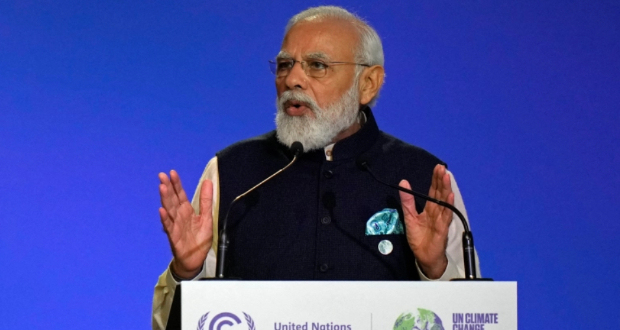
India’s economy will become carbon neutral by the year 2070, the country’s prime minster has announced at the COP26 climate crisis summit in Glasgow. The target date is two decades beyond what scientists say is needed to avert catastrophic climate impacts. India is the last of the world’s major carbon polluters to announce a net-zero target, with China saying it would reach that goal in 2060, and the United States and the European Union aiming for 2050.
COP26: What climate summit means for one woman in Bangladesh

China's carbon emissions are vast and growing, dwarfing those of other countries. Experts agree that without big reductions in China's emissions, the world cannot win the fight against climate change. In 2020, China's President Xi Jinping said his country would aim for its emissions to reach their highest point before 2030 and for carbon neutrality before 2060. His statement has now been confirmed as China's official position ahead of the COP26 global climate summit in Glasgow. But China has not said exactly how these goals will be achieved.
Why China's climate policy matters to us all
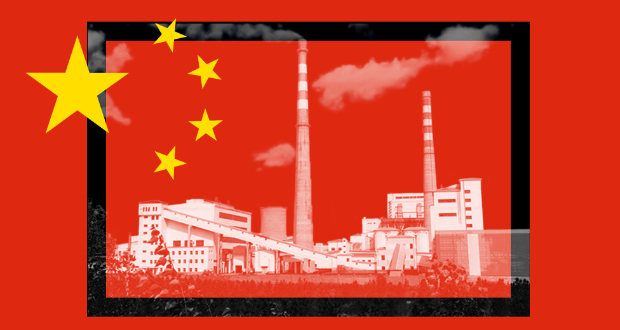
China's carbon emissions are vast and growing, dwarfing those of other countries. Experts agree that without big reductions in China's emissions, the world cannot win the fight against climate change. In 2020, China's President Xi Jinping said his country would aim for its emissions to reach their highest point before 2030 and for carbon neutrality before 2060. His statement has now been confirmed as China's official position ahead of the COP26 global climate summit in Glasgow. But China has not said exactly how these goals will be achieved.
Deliver on promises, developing world tells rich at climate talks

A crucial U.N. conference heard calls on its first day for the world's major economies to keep their promises of financial help to address the climate crisis, while big polluters India and Brazil made new commitments to cut emissions. World leaders, environmental experts and activists all pleaded for decisive action to halt the global warming which threatens the future of the planet at the start of the two-week COP26 summit in the Scottish city of Glasgow on Monday. The task facing negotiators was made even more daunting by the failure of the Group of 20 major industrial nations to agree ambitious new commitments at the weekend.