
COVID-19 makes wintertime comeback in Germany
COVID-19 has lost much of its fearsome reputation. Most people in Germany are vaccinated or have otherwise built up a baseline immunity. Still, general practitioners like Lars Rettstadt are busy.
"It's typical infection season again. There's a lot of sniffling and coughing," said the doctor in Dortmund, a city in western Germany. "When we open the door on Monday morning, there are 70 people without an appointment: men, women, young and old."
By his estimate, 80% of them have viral infections of some kind. Half of those are COVID-19.
Only few severe cases
Without a mask mandate, most patients don't wear one. Rettstadt's practice offers them for 50 cents. He has set aside an hour just for infection appointments, and patients can also reach him by video. PCR tests are reserved for those in particularly bad shape.
"We no longer see severe cases," he said, adding just one patient, aged 94, had to be hospitalized due to COVID-19.
Otherwise, symptoms reflect the regular wintry kind that keep people out of work to recover in bed at home. Yet sick days can go for as long as two weeks.
10% of country suffering respiratory infections
While the illness might not be fatal, it is causing massive disruptions. As much as 10% of the country sick, according to Germany's Robert Koch Institute for public health, and offices and services are struggling to stay open. And with the mix-and-mingle Christmas season coming up, Health Minister Karl Lauterbach has urged people to get their vaccinations topped up.
The official, seven-day incidence is at 38, which seems low in comparison to 2,000 during the omicron wave in early 2022. Yet with testing sporadic, that number may be deceiving. A recent test of wastewater has shown more COVID-19 in the water since this form of testing was first started in June 2022.
India targets net-zero carbon emissions by 2070, says Modi
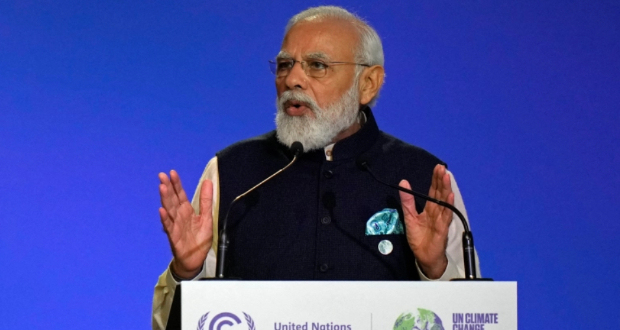
India’s economy will become carbon neutral by the year 2070, the country’s prime minster has announced at the COP26 climate crisis summit in Glasgow. The target date is two decades beyond what scientists say is needed to avert catastrophic climate impacts. India is the last of the world’s major carbon polluters to announce a net-zero target, with China saying it would reach that goal in 2060, and the United States and the European Union aiming for 2050.
COP26: What climate summit means for one woman in Bangladesh
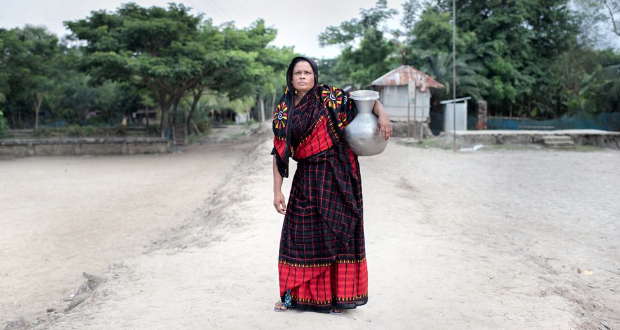
China's carbon emissions are vast and growing, dwarfing those of other countries. Experts agree that without big reductions in China's emissions, the world cannot win the fight against climate change. In 2020, China's President Xi Jinping said his country would aim for its emissions to reach their highest point before 2030 and for carbon neutrality before 2060. His statement has now been confirmed as China's official position ahead of the COP26 global climate summit in Glasgow. But China has not said exactly how these goals will be achieved.
Why China's climate policy matters to us all
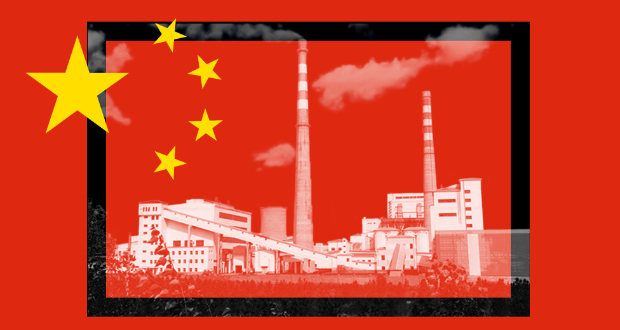
China's carbon emissions are vast and growing, dwarfing those of other countries. Experts agree that without big reductions in China's emissions, the world cannot win the fight against climate change. In 2020, China's President Xi Jinping said his country would aim for its emissions to reach their highest point before 2030 and for carbon neutrality before 2060. His statement has now been confirmed as China's official position ahead of the COP26 global climate summit in Glasgow. But China has not said exactly how these goals will be achieved.
Deliver on promises, developing world tells rich at climate talks

A crucial U.N. conference heard calls on its first day for the world's major economies to keep their promises of financial help to address the climate crisis, while big polluters India and Brazil made new commitments to cut emissions. World leaders, environmental experts and activists all pleaded for decisive action to halt the global warming which threatens the future of the planet at the start of the two-week COP26 summit in the Scottish city of Glasgow on Monday. The task facing negotiators was made even more daunting by the failure of the Group of 20 major industrial nations to agree ambitious new commitments at the weekend.