Red Sea attacks: How will global trade be affected?
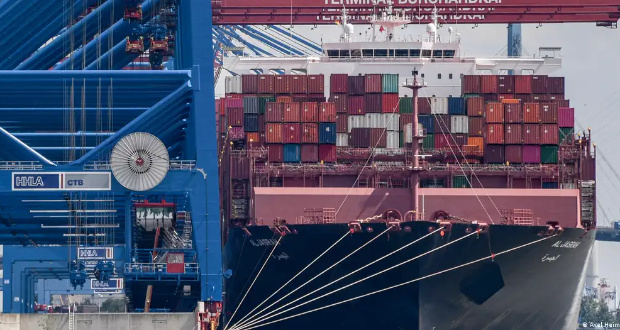
Over the past week, most of the world's largest shipping firms have said they will avoid the Red Sea and, therefore, the Suez Canal after Yemen-based Houthi rebels fired missiles at cargo ships over the Israel-Hamas war.
Instead, ships traveling from the Far East to Europe will need to make a detour around the entire African continent via South Africa's Cape of Good Hope. The journey will take more than a week longer and will add about 3,500 nautical miles (6,482 kilometers).
The Suez Canal, which connects the Red Sea to the Mediterranean, is the shortest route between Europe and Asia. About 12% of global shipping traffic normally transits the waterway.
Costs for shipping firms skyrocket
The decision already greatly impacts the cost of shipping goods, say industry analysts. If it becomes an extended crisis, it could spark a hike in the price consumers pay for imported goods.
"Take one round-trip voyage from Shanghai to Rotterdam, and you add a million dollars in fuel costs from rerouting via the Cape of Good Hope," Peter Sand, chief analyst at the Copenhagen-based market analytics firm Xeneta, told DW. "So that alone is a huge bill."
Insurance premiums have soared in response to the attacks, while container shipping lines that run weekly services between Asia and Europe will need to factor in the cost of three extra ships to ensure a similar level of service, Sand added.
The delays in shipping will then have knock-on effects at container ports across Europe, which are usually highly efficient at handling flows of large numbers of containers.
India targets net-zero carbon emissions by 2070, says Modi
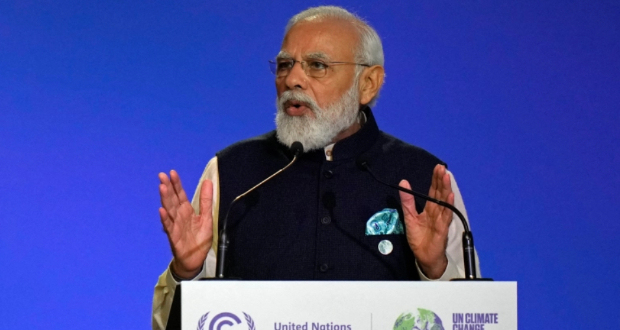
India’s economy will become carbon neutral by the year 2070, the country’s prime minster has announced at the COP26 climate crisis summit in Glasgow. The target date is two decades beyond what scientists say is needed to avert catastrophic climate impacts. India is the last of the world’s major carbon polluters to announce a net-zero target, with China saying it would reach that goal in 2060, and the United States and the European Union aiming for 2050.
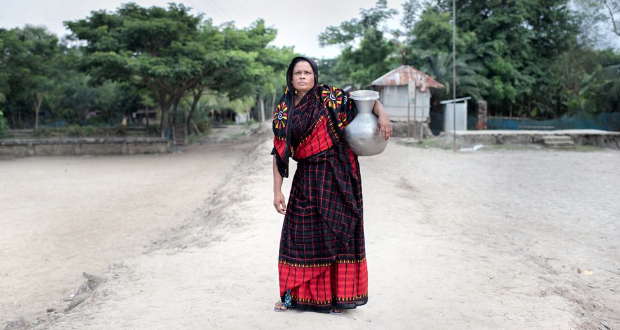
COP26: What climate summit means for one woman in Bangladesh
China's carbon emissions are vast and growing, dwarfing those of other countries. Experts agree that without big reductions in China's emissions, the world cannot win the fight against climate change. In 2020, China's President Xi Jinping said his country would aim for its emissions to reach their highest point before 2030 and for carbon neutrality before 2060. His statement has now been confirmed as China's official position ahead of the COP26 global climate summit in Glasgow. But China has not said exactly how these goals will be achieved.
Why China's climate policy matters to us all
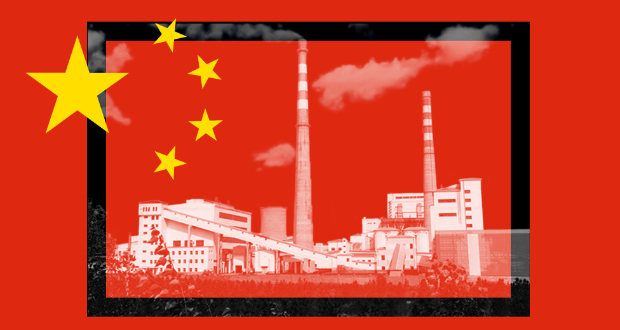
China's carbon emissions are vast and growing, dwarfing those of other countries. Experts agree that without big reductions in China's emissions, the world cannot win the fight against climate change. In 2020, China's President Xi Jinping said his country would aim for its emissions to reach their highest point before 2030 and for carbon neutrality before 2060. His statement has now been confirmed as China's official position ahead of the COP26 global climate summit in Glasgow. But China has not said exactly how these goals will be achieved.
Deliver on promises, developing world tells rich at climate talks

A crucial U.N. conference heard calls on its first day for the world's major economies to keep their promises of financial help to address the climate crisis, while big polluters India and Brazil made new commitments to cut emissions. World leaders, environmental experts and activists all pleaded for decisive action to halt the global warming which threatens the future of the planet at the start of the two-week COP26 summit in the Scottish city of Glasgow on Monday. The task facing negotiators was made even more daunting by the failure of the Group of 20 major industrial nations to agree ambitious new commitments at the weekend.