
Why the South China Sea was turbulent in 2023
On December 10, a flotilla of 40 boats set off from the Philippine coastal town of El Nido in Palawan province to a group of islets and shoals in the South China Sea called the Spratly Islands, parts of which are claimed by several countries.
More than 200 volunteers on this "Christmas convoy" wanted to deliver donated gifts and supplies to poor fishermen living and working on boats in the Spratly archipelago, as well as to troops manning a purposely-grounded World War II-era vessel rusting away on a shoal that serves as a small Filipino territorial outpost.
The convoy was organized by a coalition called "Atin Ito" meaning "this is ours" in Filipino. Besides bringing holiday cheer, organizers said they wanted to show the Philippines' presence in the Spratlys.
As the flotilla was making the crossing, they received word that the Chinese coast guard had confronted another nearby supply mission with water cannons, causing serious damage to one of the boats' engines.
And after being "shadowed" themselves by the Chinese coast guard, the organizers turned the flotilla back to El Nido.
2023 makes waves in the South China Sea
The incident is only the latest in an ongoing standoff that has escalated this year between the Philippines and China over disputed islets and shoals in the South China Sea, a resource-rich waterway which China claims nearly all of.
India targets net-zero carbon emissions by 2070, says Modi
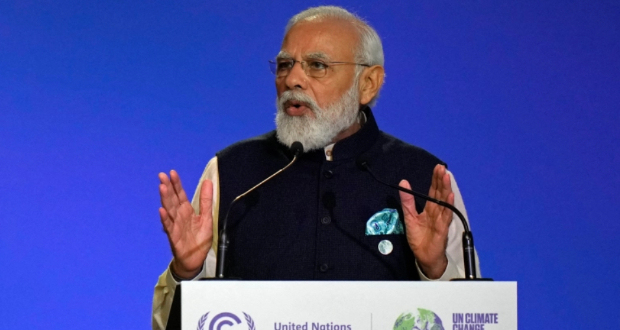
India’s economy will become carbon neutral by the year 2070, the country’s prime minster has announced at the COP26 climate crisis summit in Glasgow. The target date is two decades beyond what scientists say is needed to avert catastrophic climate impacts. India is the last of the world’s major carbon polluters to announce a net-zero target, with China saying it would reach that goal in 2060, and the United States and the European Union aiming for 2050.
COP26: What climate summit means for one woman in Bangladesh
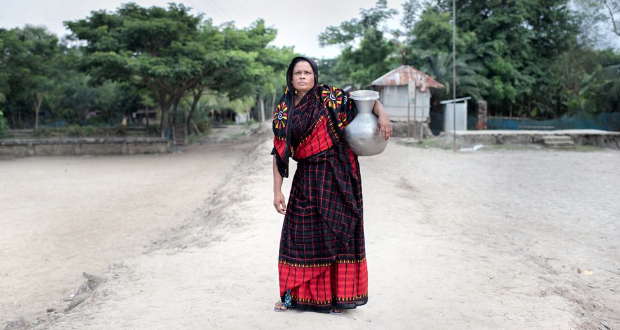
China's carbon emissions are vast and growing, dwarfing those of other countries. Experts agree that without big reductions in China's emissions, the world cannot win the fight against climate change. In 2020, China's President Xi Jinping said his country would aim for its emissions to reach their highest point before 2030 and for carbon neutrality before 2060. His statement has now been confirmed as China's official position ahead of the COP26 global climate summit in Glasgow. But China has not said exactly how these goals will be achieved.
Why China's climate policy matters to us all
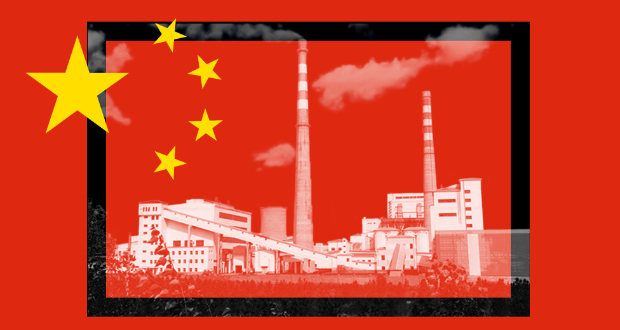
China's carbon emissions are vast and growing, dwarfing those of other countries. Experts agree that without big reductions in China's emissions, the world cannot win the fight against climate change. In 2020, China's President Xi Jinping said his country would aim for its emissions to reach their highest point before 2030 and for carbon neutrality before 2060. His statement has now been confirmed as China's official position ahead of the COP26 global climate summit in Glasgow. But China has not said exactly how these goals will be achieved.
Deliver on promises, developing world tells rich at climate talks

A crucial U.N. conference heard calls on its first day for the world's major economies to keep their promises of financial help to address the climate crisis, while big polluters India and Brazil made new commitments to cut emissions. World leaders, environmental experts and activists all pleaded for decisive action to halt the global warming which threatens the future of the planet at the start of the two-week COP26 summit in the Scottish city of Glasgow on Monday. The task facing negotiators was made even more daunting by the failure of the Group of 20 major industrial nations to agree ambitious new commitments at the weekend.