![Ukrainian President Volodymyr Zelenskyy reacts during his end-of-the-year news conference in Kyiv, Ukraine, December 19, 2023 [Efrem Lukatsky/AP Photo]](/Uploads/Images/News/2023/12/Image-2163-20231227064133.jpeg)
Ukraine’s allies fall short of Russia’s on arms help, raising 2024 risks
In March of this year, Ukraine asked its European allies for a quarter of a million shells a month. Its full battle plan, then-Defence minister Oleksiy Reznikov said, required at least 350,000. Ukraine was then rationing itself to just 110,000 a month and needed Europe to help make up the difference.
The European Union pledged a million shells within a year – a third of what Ukraine had requested. By the end of November, it had delivered 300,000 from the stockpiles of European armies. It has four months to make up the difference, but further deliveries have to come from new production, said Josep Borrell, the EU’s foreign policy chief.
Astonishingly, after almost two years of war on European soil, the EU has not taken stock of continental production capacity. “We would like to know today where we are and what can be the rhythm of production for this second track,” said Borrell on November 14 at a gathering of EU defence ministers.
Russia, too, has been firing more shells than it can produce, and in September reached out for help to North Korea. Within a month, North Korea had delivered 1,000 containers worth of ammunition, said White House spokesperson John Kirby. Estonian military intelligence chief Col Ants Kiviselg said that translated into 300,000-350,000 shells — the same amount as that delivered by the EU to Ukraine, but in one month instead of eight.
A Washington Post analysis of satellite photography suggested the number was higher because ships had been plying the route between the North Korean free trade zone port of Rason to Russia’s port of Dunai since August.
Russia may have received additional North Korean shells via rail. The Center for Strategic and International Studies (CSIS) said satellite imagery showing that rail traffic between North Korea and Russia had “dramatically” increased since Russian President Vladimir Putin met North Korean leader Kim Jong Un in September.
“To the West’s great surprise, Russia proved more adept at securing what it wanted from the outside, including from China,” Yiorgos Margaritis, professor emeritus of history at the Aristotelian University of Thessaloniki, who has been monitoring the balance of artillery, told Al Jazeera. “The quantity of shells North Korea promised – 10 million – is monstrous. And they’ve already provided a 10th of that.”
India targets net-zero carbon emissions by 2070, says Modi
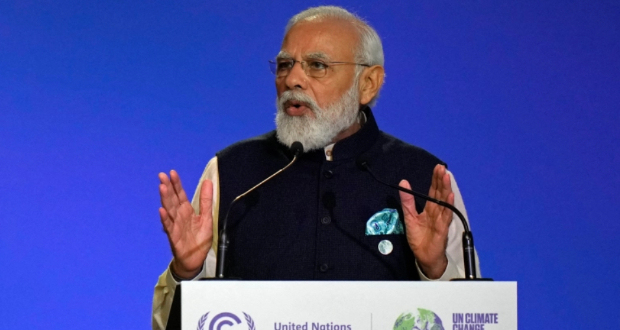
India’s economy will become carbon neutral by the year 2070, the country’s prime minster has announced at the COP26 climate crisis summit in Glasgow. The target date is two decades beyond what scientists say is needed to avert catastrophic climate impacts. India is the last of the world’s major carbon polluters to announce a net-zero target, with China saying it would reach that goal in 2060, and the United States and the European Union aiming for 2050.
COP26: What climate summit means for one woman in Bangladesh
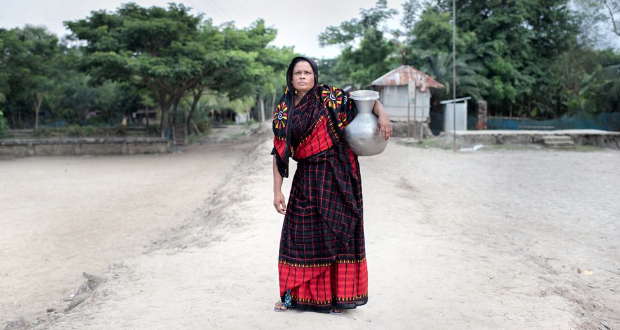
China's carbon emissions are vast and growing, dwarfing those of other countries. Experts agree that without big reductions in China's emissions, the world cannot win the fight against climate change. In 2020, China's President Xi Jinping said his country would aim for its emissions to reach their highest point before 2030 and for carbon neutrality before 2060. His statement has now been confirmed as China's official position ahead of the COP26 global climate summit in Glasgow. But China has not said exactly how these goals will be achieved.
Why China's climate policy matters to us all
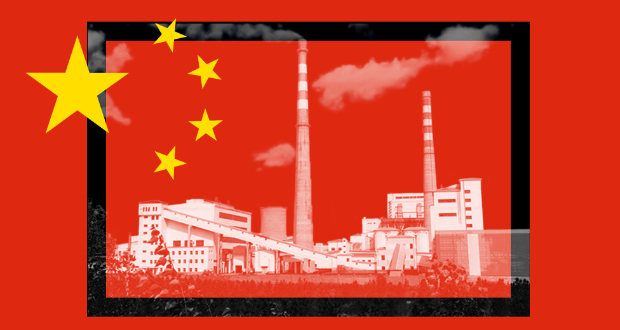
China's carbon emissions are vast and growing, dwarfing those of other countries. Experts agree that without big reductions in China's emissions, the world cannot win the fight against climate change. In 2020, China's President Xi Jinping said his country would aim for its emissions to reach their highest point before 2030 and for carbon neutrality before 2060. His statement has now been confirmed as China's official position ahead of the COP26 global climate summit in Glasgow. But China has not said exactly how these goals will be achieved.
Deliver on promises, developing world tells rich at climate talks

A crucial U.N. conference heard calls on its first day for the world's major economies to keep their promises of financial help to address the climate crisis, while big polluters India and Brazil made new commitments to cut emissions. World leaders, environmental experts and activists all pleaded for decisive action to halt the global warming which threatens the future of the planet at the start of the two-week COP26 summit in the Scottish city of Glasgow on Monday. The task facing negotiators was made even more daunting by the failure of the Group of 20 major industrial nations to agree ambitious new commitments at the weekend.